Accurate Termite and Pest Solutions: A Comprehensive Approach


Intro
In the realm of maintaining a healthy residence, few things are as crucial as effectively managing termites and pests. These intruders not only pose a risk to the integrity of your property but can also disrupt the comfort of your living space. Understanding how to tackle these nuisances is an essential skill for homeowners, housewives, and anyone looking to preserve a pest-free environment. This guide aims to provide you with a thorough understanding of pest management—from identifying the troublemakers to exploring eco-friendly solutions and preventive measures to keep them at bay.
Identification of Common Pests
Getting to grips with identifying common pests inhabiting your home is the first step in effective pest management. Knowing what you're dealing with simplifies the control process vastly, and it can save you from unnecessary headaches later on.
Description of Common Pests
When it comes to household pests, you don't have to look far. Here are a few of the usual culprits:
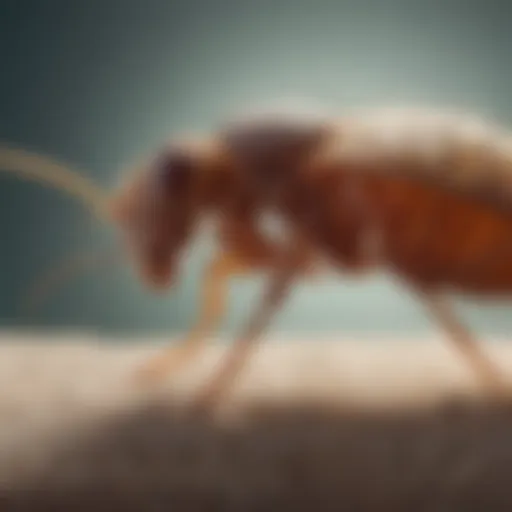
- Termites: Known to feast on wood, these insatiable insects are notorious for their destructive tendencies. They're often found in damp, wooden areas of a house.
- Ants: While generally harmless, certain species such as carpenter ants can cause considerable damage. Teamwork is their game—when they decide your home is their avenue for food.
- Cockroaches: With their ability to thrive in almost any condition, cockroaches are not just annoying, but can also pose health risks.
- Rodents: Mice and rats can transmit diseases and damage property as they scurry through walls and attics.
Signs of Infestation
Recognizing the signs of a pest invasion can help you act before the situation worsens. Keep an eye out for:
- Sawdust or Wood Shavings: Often found near wooden structures. These could point to a termite issue.
- Droppings: Pests like rodents or roaches leave droppings scattered around their nesting spots. This is a prevalent indicator of an infestation.
- Mud Tubes: If you spot tube-like structures made of mud leading up to the foundation of your house, you may have a termite infestation.
- Strange Noises: Be attentive to scratching or scurrying sounds in walls or ceilings, especially at night.
Regular inspections can prevent minor infestations from becoming major headaches. Stay proactive and keep an eye out for the signs!
Prevention Techniques
Once you've identified potential pests, it’s crucial to employ strategies that prevent their return. Here are some practical techniques you can use:
Home Maintenance Tips
- Seal Cracks and Gaps: Regularly check and seal any holes or cracks around doors, windows, and basement areas. This can keep pests from sneaking in.
- Maintain Landscaping: Trim shrubs and trees away from your house. Overhanging branches can create breeding grounds for pests.
- Store Food Properly: Ensure food is sealed tightly and avoid leaving any scraps around that could attract unwanted critters.
Environmental Modifications
- Control Moisture: Fix leaks and ensure good drainage. Termites and other pests thrive in damp environments, so controlling moisture levels is key.
- Use Mulch Wisely: While mulch can beautify your garden, too much mulch close to your home can attract termites. Keep it away from the foundation.
Eco-Friendly Pest Control Options
A shift towards environmentally friendly pest control methods is more than just a trend; it's a necessity for sustainable living. Here are a couple of options:
Natural Pesticides
- Diatomaceous Earth: This natural powder can deter a range of insects. Just sprinkle it in areas where pests frequent.
- Essential Oils: Certain oils, like peppermint or tea tree oil, are great at repelling ants and spiders. Mixing these with water makes for an effective spray.
Organic Pest Control Techniques
- Trap and Release: For pests like rodents, consider humane traps that allow for safe relocation rather than extermination.
- Set Up Barriers: Installing physical barriers can be quite effective in keeping pests at bay, such as fencing against larger pests, or mesh screens for insects.
For further insights on effective pest management techniques, you can visit Wikipedia or explore forums on Reddit where people share their personal experiences and solutions.
By adopting these practices, you can not only safeguard your home from pests but also contribute to a healthier ecosystem.
Prologue to Pest Management
In a world buzzing with life, pests are part and parcel of our everyday existence. While this term often conjures images of bothersome insects and unwelcome rodents, it's important to understand the broader spectrum of pest management. Pest management is not just about getting rid of nuisances; it involves a strategic combination of practices aimed at controlling, managing, and eventually preventing pest infestations. This comprehensive approach ensures a healthier living space, protecting both the structure of your home and the well-being of its inhabitants.
Understanding Pests and Their Impact
Pests often lurk in the shadows, leading to serious consequences if not addressed timely. Understanding the nature of these pests, from termites to ants, can bring to light their potential impact on your home and health. These creatures can trigger allergies, contaminate food, and even provoke structural damage. For instance, termites, dubbed the "silent destroyers," can eat through wood and related materials, causing homeowners financial heartburn that one never wants to experience. On the other side of the coin are rodents. A mouse or a rat scuttling around might seem harmless, yet they can pose severe health risks, carrying diseases that can spread to humans.
Moreover, certain pests can affect your garden and yard, disrupting the ecosystem and diminishing the beauty of your outdoor spaces. It’s vital to recognize that a small infestation today could snowball into a larger problem tomorrow. By having a clear understanding of pests and their implications, homeowners prepare themselves to tackle these challenges head-on, ensuring both immediate and long-term benefits.
The Importance of Accurate Solutions
Now that we’ve laid the groundwork, let’s talk about the importance of accurate solutions in pest management. Getting the right diagnosis is half the battle won. Each pest behaves differently, and their life cycles can vary significantly. For instance, what works for keeping ants at bay won’t necessarily have the same effect on bed bugs. Thus, identifying the pest accurately is paramount.
An emphasis on targeted pest control solutions can save time, money, and hassle. A precise understanding of the pest in question allows for tailored strategies that respond effectively to their specific behaviors.
Additionally, implementing the right solutions means adopting environmentally friendly practices whenever possible. Chemical treatments might sometimes seem like the easiest route, but their impact on our surroundings can be profound. Accurate solutions steer us towards a balanced approach, combining efficacy with sustainability, ensuring we don’t just fight pests but also protect our precious environment.
"Effective pest management is about understanding our adversaries and employing strategies that honor both our homes and the ecosystems around us."


By concentrating on these elements, homeowners gain the knowledge essential for creating and maintaining a pest-free environment. This foundational understanding sets the stage for deeper explorations into how to identify pests, the techniques to control them, and preventative measures you can adopt. The journey toward a pest-free haven begins with knowledge, and that’s precisely what we aim to provide.
Identifying Common Pests
Identifying common pests is a fundamental step in pest management. Knowing which specific critters are causing trouble can be the difference between a simple solution and an ongoing fight. Each pest presents unique challenges and requires tailored approaches for effective control. From termites gnawing at the foundations of your home to ants marching across your kitchen counter, understanding what you're up against allows for accurate and effective interventions.
Understanding the type of infestation is not just about troubleshooting; it can save time and money. Misidentifying pests often leads to using the wrong methods, which might be ineffective or, worse, harmful. This erroneous approach can exacerbate the problem and allow it to flourish.
The benefits of correct pest identification cannot be overstated:
- Targeted Treatment: Proper identification guides homeowners and professionals to select the most effective treatment methods.
- Cost-Efficiency: Understanding the scale and severity of an issue ensures that resources are not wasted on unnecessary treatments.
- Preventive Strategies: Once identified, you can implement preventative measures to reduce the likelihood of future infestations.
In the following subsections, we will dive into three common pest groups: termites, rodents, and insects. Understanding their behavior and signs of their presence is key to getting ahead of any pest problem.
Termites: The Silent Destroyers
Termites are likely the most insidious pests when it comes to home damage. Often referred to as "silent destroyers," they operate undetected for long stretches of time. These wood-loving insects feed on cellulose, which is found in wood, paper, and some fabrics. In many cases, homeowners only become aware of their presence when significant structural damage has already occurred.
Signs of termite infestation can include:
- Hollow-sounding wood
- Mud tubes along walls or foundations
- Swarms of winged termites during warm weather
To effectively manage termites, it’s crucial to act swiftly. Physical barriers, chemical treatments, and removing moisture sources from your home can provide relief. Maintaining vigilance through regular inspections can often be the best line of defense against these wood-eating pests.
Rodents: The Hidden Threat
Rodents, such as rats and mice, are not only a nuisance but can also pose serious health risks. They are known to contaminate food, spread disease, and cause damage to structures and wiring due to their incessant gnawing. While many folks associate these pests with dirt and grime, they often go unnoticed until a problem becomes apparent.
Key signs of rodent activity include:
- Droppings found near food sources
- Gnawed materials, particularly in kitchens
- Noises like scratching in the walls or ceilings during the night
Rodent control typically involves a combination of sanitation practices, traps, and sealing potential entry points. A proactive approach is always wiser than waiting to address the issue once they’ve made themselves at home.
Insects: From Ants to Bed Bugs
Insects encompass a vast array of pests, with different creatures displaying various behaviors and risk factors. Take ants for instance, which are often seen in large groups following trails toward food sources. On the other end of the spectrum, bed bugs are notorious for their stealthy nature and the discomfort they cause through bites.
Some notable problematic insects include:
- Ants: Can invade homes in search of food, making early identification and targeted bait crucial.
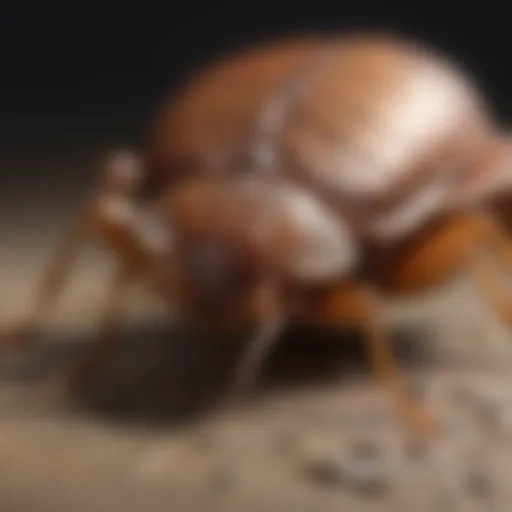
- Bed Bugs: Require specialized treatment since they can hide in the smallest of crevices and are adept at avoiding detection.
- Cockroaches: They thrive in warm and moist areas and can transmit diseases, necessitating urgent attention.
Handling insect infestations often calls for distinct strategies. Whether using baits, traps, or professional treatments, proper identification helps to implement the right approach effectively.
"Effective pest management starts with knowledge. The more you know about your pests, the better you can manage them."
Pest Control Techniques
Understanding various pest control techniques is crucial for homeowners aiming to maintain an environment free of pests. This part of the article delves into several methods, their benefits, and considerations to help make informed choices. With pests becoming more adaptive and resilient, recognizing effective pest management strategies has never been more vital. This knowledge not only safeguards one’s property but also promotes overall well-being.
Chemical Solutions: Efficacy and Safety
Chemical pest control solutions have been a staple in the industry for decades. On the surface, these products present a quick and effective way to tackle a wide range of pest issues. However, it’s important to look beyond just efficacy; safety is a paramount concern.
When applying any chemical solution, homeowners must read labels carefully, following instructions to the letter. Products containing pyrethroids or neonicotinoids are common and can be particularly effective against insects. Still, they pose risks if misused. The risk of exposure to pets and children also creates a compelling case for homeowners to consider the timing and application methods. For instance, spraying during a still evening might reduce the wind’s dispersal of chemicals, minimizing unintended exposure.
Moreover, some people opt for low-toxicity options such as boric acid or diatomaceous earth, which are less harmful to the environment while still effectively eliminating pests. Choosing the right chemical solution involves balancing effectiveness with personal and environmental safety.
Biological Control: Utilizing Nature's Balance
Biological pest control harnesses the natural predators and competitors of pests to regulate pest populations. This method represents a shift towards more sustainable practices, appealing especially to those who are environmentally minded. For instance, introducing ladybugs in a garden can help control aphid populations without the use of harmful chemicals.
The beauty of biological control lies in its long-term effectiveness. Instead of just a one-time fix, establishing a balance in the ecosystem can lead to sustained pest management. Additionally, it aligns with the principles of integrated pest management (IPM), focusing on preventing pest issues before they arise. This involves understanding the life cycles and environmental needs of pests. However, biological control also requires a degree of patience and knowledge, as these methods may take longer to show results than their chemical counterparts.
Physical Barriers: Keep Pests at Bay
Physical barriers may seem simple, yet they are incredibly effective and often underutilized. These methods can include installing screens on windows, weather stripping doors, or even using mesh netting in gardens to keep out larger pests like rabbits or deer. For homeowners, taking proactive measures such as these can significantly reduce the need for more drastic measures later.
Creating barriers doesn’t just prevent entry; it also helps to eliminate nesting sites for pests. Sealing cracks and openings, especially along the foundation, can deter rodents and insects alike. Simple yet effective solutions like ultrasonic pest repellents can emit sounds that are unpleasant for pests while being inaudible to humans.
"Physical barriers serve as the first line of defense, keeping your home secure against unwanted visitors."


While it may seem minimalistic, the beauty of physical barriers is their sustainability and low environmental impact. They often require minimal maintenance and once properly installed, they perform tirelessly.
By integrating these techniques—chemical, biological, and physical—homeowners can create a comprehensive approach tailored to their specific pest challenges. Assessing the home environment and considering the best fit can lead to effective pest management that is both practical and sustainable.
Preventative Measures in Pest Management
Addressing pest management isn't just a reactive approach; it’s about putting the right foot forward. Preventative measures in pest management save homeowners from headaches associated with infestations. This proactive mindset can be a game changer in how we handle potential pest problems.
Regular Inspections and Maintenance
One of the most crucial aspects of preventative pest management is conducting regular inspections and maintenance. It's akin to getting a check-up at the doctor; early detection can prevent bigger issues down the line. Homeowners should routinely check their property for signs of pest activity or potential entry points.
What to look for during inspections:
- Unusual smells or sounds: Anytime you hear odd scratching or notice rancid odors, it may be time to inspect further.
- Droppings: Evidence of droppings can signal the presence of rodents or insects.
- Damage to wood or fabric: Be wary of any unexplained damage in your home, which could be a telltale sign of termites or fabric pests.
- Leaks or standing water: Sources of water attract pests; inspect plumbing and basements regularly.
Organizing a routine maintenance schedule will help in spotting these signs early before they escalate into a full-blown pest problem. If potential issues are caught early, they can often be resolved with minimal effort and expense.
Sealing Entry Points: A Proactive Approach
Another vital preventative measure is sealing entry points around your home. Think of your house as a fortress; if you leave the gates open, you're inviting trouble. Even the smallest crack can become a highway for pests.
How to seal entry points effectively:
- Use caulk or weather stripping on windows and doors.
- Inspect your foundation for cracks and seal them accordingly.
- Install door sweeps to block gaps at the bottom of exterior doors.
- Check vents and chimneys; adding screens or caps can keep unwanted visitors out.
- Examine utility lines entering your home; ensure they are properly sealed.
Taking these steps not only keeps pests at bay but also enhances energy efficiency by preventing drafts.
Landscaping for Pest Prevention
The outside of your home plays a pivotal role in pest management. Landscaping for pest prevention can significantly reduce the likelihood of infestations. The way you design your garden and yard can act as a barrier against unwanted creatures.
Effective landscaping tips include:
- Trim trees and shrubs to at least three feet away from the house. Pests often use branches as bridges to access your home.
- Choose pest-resistant plants: Certain species are less appealing to common pests, such as marigolds for nematodes or lavender for mosquitoes.
- Maintain proper drainage: Standing water can become a breeding ground for mosquitoes and pests.
- Mulch wisely: While mulch is great for gardens, excessive layers can harbor pests. Keep the mulch at a suitable level.
By adopting these landscaping strategies, you create a less inviting environment for pests while providing a nurturing area for beneficial insects that help keep your home pest-free.
"An ounce of prevention is worth a pound of cure."
Taking these preventative measures seriously can significantly decrease opportunities for pests to invade your home. This multifaceted approach integrates home maintenance, fortification, and landscape management, ensuring you're well-prepared against future pest threats.
Environmental Considerations
Environmental considerations play an essential role in the realm of pest management. In recent years, there has been a growing awareness about the impact of pest control measures on our surroundings. Recognizing how these interventions affect not just the pests, but also the ecosystems they inhabit, helps us create a more balanced approach. It's about understanding that when we treat pests, we also influence the environment, and this is not something to be taken lightly.
When it comes to pest solutions, the priority should lie in methods that minimize harm while effectively managing pest populations. This means adopting strategies that are not only effective but also sustainable. By emphasizing eco-friendly solutions, we contribute to healthier living conditions for both ourselves and the diverse fauna that share our spaces. A comprehensive pest management program should strive for methods that align with environmental stewardship, ensuring a healthy ecosystem remains intact. Here, it is crucial to weigh the benefits of pest control against potential ecological consequences.
Sustainable Pest Control Methods
Sustainable pest control methods involve using practices that significantly lessen adverse effects on the environment. These methods emphasize the reduction of chemical usage and promote natural pest deterrents. Some effective sustainable strategies include:
- Biological Pest Control: This involves utilizing natural predators to keep pest populations in check. For example, releasing ladybugs can help control aphid infestations in gardens.
- Organic Pesticides: Opting for organic solutions derived from natural sources, like neem oil or diatomaceous earth, can provide effective pest control without the risks associated with harsh chemicals.
- Integrated Pest Management (IPM): This holistic approach integrates different methods and is tailored to the specific environment. By monitoring pest activity and using a combination of cultural, mechanical, and biological tactics, IPM aims to maintain pest populations below damaging levels without compromising the ecosystem.
Embracing these sustainable strategies fosters a healthier environment, benefiting both human populations and wildlife.
Impact of Chemical Treatments on Ecosystems
Chemical treatments are often the go-to solutions for pest management; however, they come with significant risks. Pesticides can contaminate soil, air, and water. This contamination can have far-reaching effects, not just on pests but on non-target species including beneficial insects and other wildlife.
For instance, herbicides used to eliminate unwanted vegetation can harm pollinators. These chemical treatments can diminish biodiversity, disrupt food chains, and lead to long-term ecological issues. Moreover, chemicals can accumulate in the food chain, posing serious health risks to humans and animals alike. A single application may seem harmless, but the cumulative effects of frequent chemical applications can escalate into substantial environmental damage.
In light of this, many pest management professionals are advocating for a shift towards less harmful alternatives. Understanding the adverse effects of chemical treatments is paramount in choosing the right pest control strategy.
Future Trends in Eco-Friendly Solutions
Looking ahead, it is evident that the landscape of pest control is evolving. Stakeholders are increasingly prioritizing solutions that align with environmental sustainability. Technologies and practices are emerging that not only address pest issues but do so with a clear nod towards eco-friendliness.
- Smart Pest Management Systems: These incorporate technology such as sensors and IoT devices to monitor pest activities. This allows for targeted interventions only when necessary, minimizing overall pesticide use.
- Genetically Modified Organisms (GMOs): Certain crops are being designed to be pest-resistant, reducing the need for chemical applications. By making plants less appealing to pests, farmers can decrease pesticide reliance.
- Public Awareness and Education: As knowledge about pests and their management expands, homeowners are becoming more proactive in adopting eco-friendly practices. Educational initiatives are paving the way for a climate of awareness that encourages sustainable choices.


Overall, as the pressure mounts to maintain a balance between pest control and environmental preservation, these trends paint a promising picture for the future of pest management. Embracing innovation with a focus on sustainability will ensure that we can protect our homes while respecting our planet.
"The environment is a treasure trove of solutions waiting to be discovered. By harmonizing pest management with ecological principles, we can find a way forward that benefits all."
Ultimately, the integration of environmental considerations into pest management not only facilitates the development of effective strategies but also fosters a mindset of respect and responsibility towards our planet.
Professional Pest Control Services
Professional pest control services play a pivotal role in effectively managing pest issues. With a multitude of approaches available, these services not only eliminate pests but also serve to educate homeowners about the best practices for maintaining a pest-free environment long-term. Understanding when to call in the experts can save considerable time and resources while ensuring a thorough job.
When to Seek Professional Help
There are occasions when pest problems spiral beyond DIY solutions. Homeowners might notice signs of a more serious infestation but remain unsure of how to tackle it. For example, if you discover large termite mud tubes around your foundation or notice droppings in your pantry that seem to be multiplying overnight, it’s prudent to consider professional help.
- Increased Severity: When an infestation is too far gone, professional services can assess the damage and provide a quick, effective solution.
- Health Risks: Pests such as rodents can spread disease. If your household includes young children or elderly individuals, seeking professional expertise is usually the safest route.
- Long-Term Solutions: Do-it-yourself approaches may provide temporary relief but might not address the root cause. Professionals often incorporate preventative measures tailored to your property’s needs, ensuring that pests don't comeback.
Evaluating Pest Control Companies
Finding the right pest control service can feel like searching for a needle in a haystack. When sifting through options, consider the following criteria:
- Licensing and Certification: Ensure that the company holds appropriate licenses for handling pesticides and that their technicians are certified. This guarantees they adhere to local guidelines and practices.
- Reputation: Look for reviews and testimonials online. Websites like Yelp or Angie's List can provide valuable insights about previous customer experiences. A good reputation often signifies reliable service.
- Tailored Services: Some companies specialize in certain pests, while others offer a broader spectrum. Choosing a firm that matches your specific needs can optimize results—if termites are your concern, find a company known for effective termite treatments rather than one that primarily focuses on rodent issues.
Understanding Service Contracts
Before signing on the dotted line, understanding the terms of service contracts is crucial for homeowners. A service contract should not only clarify the tasks being performed but also what they cover in terms of follow-up treatments or guarantees. Here are key components to pay attention to:
- Coverage Scope: Clarify whether the contract covers specific pests or if it includes general pest control services? Also, inquire about follow-up visits after initial treatment.
- Duration and Cost: How long is the contract valid? Are there annual renewals? Make sure costs are clearly itemized so as not to be blindsided by unforeseen fees.
- Cancellation Policy: Life can be unpredictable. Understanding the cancellation policy upfront can save you headaches later.
"Investing in a reputable pest control service is often less expensive than what you’ll spend on potential damage and health risks caused by pests."
These components, alongside a good reputation and tailored services, will help guide homeowners toward making the right choice in professional pest management services.
Case Studies and Real-Life Applications
In pest management, theory often meets real-world practice, resulting in valuable insights that can benefit both professionals and homeowners. Case studies not only showcase successful methods but also unravel practical implications and lessons learned. By examining these situations, we can evaluate effective strategies and potential pitfalls in a manner that theoretical knowledge alone cannot achieve. These stories serve as powerful illustrations of why tailored pest control measures are essential for effective management. They also provide a relatable context for the everyday individual, highlighting possibilities for community improvement and personal triumphs against invasive pests.
Community-Based Pest Management Initiatives
Community involvement emerges as a key player in tackling pest problems effectively. Community-based pest management initiatives involve residents banding together to identify, assess, and handle pest issues in a collective manner. Such initiatives allow neighborhoods to share resources, knowledge, and strategies, leading to more sustainable pest control efforts. For instance, towns that have organized pest awareness weeks can provide educational materials to residents. They foster dialogue on effective practices such as proper waste disposal and property maintenance, thereby reducing pest attraction points.
Consider the case of a neighborhood in Florida. Residents noticed an alarming rise in mosquito populations, often leading to outbreaks of mosquito-borne diseases. Rather than relying solely on professional pest control services, they organized a community meeting. Together, the residents initiated a program where they locally educated each other on eliminating standing water, a breeding ground for mosquitoes, and implemented a monthly neighborhood cleanup. Over time, they saw a significant decrease in mosquito-related health issues and improved residents’ outdoor living experiences.
Success Stories from Homeowners
Homeowners often find themselves on the frontlines of pest battles, facing challenges that can feel overwhelming. However, their stories of overcoming these challenges can provide valuable insights for others. From DIY enthusiasts to those engaging with professional services, success stories highlight effective pest management strategies tailored to specific situations.
Take, for instance, the story of a homeowner in California who discovered a termite infestation in her wooden deck. Initially daunted, she conducted thorough research online and engaged a certified pest control expert. Together, they identified treatment options that not only eliminated termites but also added protective measures to prevent future infestations. The homeowner's proactive approach lead to a transformation of her backyard space, where she could once again entertain guests without worrying about the threat of termites. These narratives not only inspire but also offer guidance on navigating the complexities of pest management.
Innovative Solutions Implemented by Professionals
The pest control industry is constantly evolving, with professionals experimenting with and implementing innovative solutions to tackle pest challenges more effectively. Techniques that integrate technology and environmentally friendly practices characterize these advancements, showcasing a commitment to providing safe and long-lasting results.
For example, a pest control company in Texas has turned to thermal remediation techniques for bed bug infestations. By using heat to eliminate pests, this method avoids chemicals that could harm the environment or pose risks to health. Such innovative solutions resonate with eco-conscious consumers looking to maintain a pest-free home while being gentle on the planet. Similarly, drone technology is making waves in large-scale pest assessments, enabling professionals to monitor vast areas without needing extensive ground surveys.
In sum, these case studies and real-life applications reflect the diverse landscape of pest management, emphasizing community collaboration, individual stories, and professional innovation. They pave the way for understanding effective solutions and encourage a tailored approach to pest control, accommodating the unique needs of homeowners and communities alike.
Epilogue
In the realm of pest management, the conclusion serves as a crucial synthesis of the ongoing issues and emerging strategies that were discussed throughout the article. The importance of concluding insights lies not only in summarizing the key points but also in reinforcing the message that effective pest control is a blend of vigilance, knowledge, and proactive measures. Homeowners and renters alike must realize that pests pose challenges that extend beyond mere annoyance; they can threaten the structural integrity of homes and the health of the inhabitants.
The Ongoing Challenge of Pest Management
Pest management isn't a task for the faint-hearted. It requires ongoing vigilance and a multi-faceted approach. The challenges continuously evolve with the pests themselves, as they adapt to various control methods. Take, for example, the rise of super pests, which have developed resistance to certain chemicals that were once deemed effective. This scenario makes it all the more critical to adopt an adaptive strategy. Here are some considerations:
- Stay informed: Regular updates on pest behavior and the latest control methods can empower homeowners to act quickly before infestations escalate.
- Collaboration: Engaging with local pest control experts can offer insights that may not be readily available to the average homeowner. They have the expertise to discern patterns and provide tailored solutions.
- Community approaches: Recognizing that pest issues can affect entire neighborhoods can encourage cooperation among residents to collectively manage pest populations.
"Being proactive rather than reactive in pest management can save you from costly repairs and health risks."
Empowering Readers Through Knowledge
Knowledge is the strongest weapon in pest management. By educating oneself about the various types of pests and their behaviors, individuals can take significant steps to protect their homes. Here are a few strategies to empower homeowners:
- Continuous education: Attend local workshops or read reliable resources such as government websites or pest management eBooks to deepen your understanding.
- Resource sharing: Platforms like Reddit and community forums can be valuable for exchanging experiences and tips with fellow homeowners facing similar issues.
- DIY approach: Sometimes, simple solutions like sealing cracks, reducing clutter, and maintaining cleanliness can drastically reduce pest entry points.
By integrating this knowledge into daily habits, homeowners can develop an innate vigilance against potential infestations, creating a robust defense around their environment. Knowledge not only equips individuals to combat pest threats, but it also fosters a community that values the importance of a pest-free habitat.
By wrapping up with these insights, the article reiterates that pest management is a collective responsibility that thrives on shared knowledge and proactive action. Maintaining awareness and applying eco-friendly solutions can help anyone keep their homes safe from unwanted invaders.