Effective Strategies to Eliminate Box Flies


Identification of Common Pests
Box flies, known scientifically as Musca domestica, often invade households, and their presence can signal more extensive hygiene issues. They are generally gray and about a quarter of an inch long, featuring characteristic wide eyes and a body covered with fine hairs. These flies thrive in warm conditions, particularly where there is decaying organic matter. Understanding their behavior and habitat is crucial for effective elimination.
Description of Common Pests
The box fly is commonly mistaken for other types of houseflies, which makes accurate identification essential. Unlike fruit flies, which are smaller and often found around overripe produce, box flies are more robust and are typically seen near garbage, animal waste, or compost. They can carry disease, making them not only a nuisance but also a potential health risk.
Signs of Infestation
Detecting a box fly infestation early can prevent more significant problems down the road. Watch out for:
- Increased Fly Activity: Noticeable spikes in fly presence, especially in the kitchen or near waste areas.
- Breeding Sites: Accumulations of waste or rotting food can be breeding grounds for these flies.
- Foul Odors: The smell of decomposition often indicates food sources that attract box flies.
- Visibility of Larvae: Young flies or larvae can sometimes be found in decaying matter or on the surfaces where their food was located.
"The sooner you spot the signs of infestation, the easier it can be to control the population before they turn your home into a breeding ground."
Prevention Techniques
To keep box flies at bay, proactive measures must be taken. Prevention goes beyond merely swatting flies—it encompasses a holistic approach to home organization and cleanliness.
Home Maintenance Tips
- Keep Surfaces Clean: Regularly wipe down counters, tables, and floors, especially after preparing food. Food remnants attract flies.
- Seal Garbage Properly: Use tight-fitting lids on all garbage bins to limit food sources. Also, consider using compost bins that are fly-resistant.
- Repair Screens and Windows: Ensure all windows have intact screens to prevent flies from entering. Replace or repair any holes or tears.
Environmental Modifications
- Control Moisture: Flies thrive in damp conditions. Check for leaks in plumbing and ensure good drainage in outdoor areas.
- Remove Standing Water: Eliminate sources of standing water, which can attract flies as breeding sites. This includes bird baths or pet water bowls that aren’t regularly cleaned.
Eco-Friendly Pest Control Options
Once a fly infestation is confirmed, treatment becomes necessary. However, turning to chemical pesticides isn't the only solution. Many eco-friendly approaches can tackle the problem effectively without harming the environment.
Natural Pesticides
- Essential Oils: Oils like peppermint, eucalyptus, and lemongrass are natural insect repellents. Mixing these oils with water can create a spray for use around the house.
- Vinegar Traps: A mixture of apple cider vinegar and dish soap can create an effective fly trap. The scent attracts the flies, and the soap traps them.
Organic Pest Control Techniques
- Use of Carnivorous Plants: Consider introducing plants like Venus flytraps or sundews that naturally catch and digest insects, helping to keep the population down.
- Diatomaceous Earth: This natural substance can be sprinkled in fly-infested areas. It’s abrasive to insects' exoskeletons and will help to dehydrate and eliminate them over time.
In summary, understanding box flies begins with proper identification, followed by diligent preventive measures. Combining environmental modifications with safe pest control options empowers homeowners to manage these unwelcome visitors effectively.
Understanding Box Flies
Understanding box flies is not just a matter of dealing with an unsightly pest in your home; it’s about averting a range of potential problems that come with their presence. Box flies, in particular, tend to be opportunistic creatures that capitalize on overcrowded, dirty environments. When you have a grasp on their behavior and lifecycle, you empower yourself to take informed actions. This sets the groundwork for effective removal and prevention strategies.
Defining the Box Fly
Box flies, commonly known as Musca domestica, are part of the typical household pest repertoire. They can often be mistaken for other fly species but distinguish themselves with their peculiar behaviors and habitats. These insects usually exhibit a greyish color and have distinct patterns on their thorax, allowing keen eyes to identify them quite easily. What happens, however, is that many of us just see a fly and brush it off as a nuisance without realizing the implications of an infestation.
Life Cycle and Habits
The life cycle of a box fly consists of four primary stages: egg, larva, pupa, and adult. Once temperatures start to warm in spring, adult flies lay hundreds of eggs on organic matter. This is where things can get particularly messy. Within 24 hours, these eggs hatch into larvae, which then feasting on the organic material around them, often resulting in unpleasant odors and unsanitary conditions. After a week or so of growth, these larvae enter the pupa stage; this can lead to new adults emerging within as little as one to two weeks. Knowledge of their habits, such as their attraction to decaying food and waste, can make all the difference when strategizing your eradication efforts.
Common Habitats and Preferences
When it comes to habitats, box flies are not picky. Their presence is often felt in kitchens, garbage areas, and anywhere decaying food exists. They thrive in warm temperatures but can adapt to various environments, leading them to become summer invaders. The combination of warmth and food sources around your home creates an inviting buffet for them. Understanding where they proliferate in your living space can help you identify areas to focus on for effective control.
Box flies often thrive in neglected spaces, which makes it crucial for homeowners to maintain a clean environment to avoid attracting them.
Identifying Box Flies
Understanding how to identify box flies is essential in effectively managing and eliminating these pests. Proper identification aids in targeting prevention strategies and treatment methods suited to the specific nature of box flies. When homeowners fail to recognize these insects, they may inadvertently overlook signs of infestation or attempt incorrect methods to eradicate them. Knowledge about their appearance, behaviors, and how they differ from other household flies arms individuals with the information necessary for effective action.
Physical Characteristics
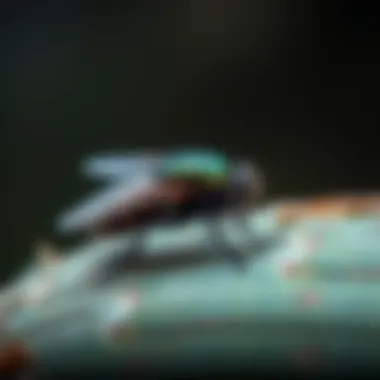
Box flies, known scientifically as Lucilia sericata, exhibit several distinctive physical traits that set them apart. A grown box fly typically measures about 8 to 12 mm in length. They have a robust body, often adorned with a metallic green or blue sheen. Their wings are notable as well: they tend to be broader and have a stronger structure compared to those of other common flies, which aids their characteristic buzzing.
Additionally, box flies possess large compound eyes that can seem almost whimsical because of their vibrant colors of iridescent light. Their bodies are covered with short, fine hairs—if you look closely, you can see these tiny bristles glistening in the light. Therefore, paying attention to these details can assist in unequivocally identifying this pest from others that may invade your space.
Behavioral Patterns
The behavior of box flies can be quite telling when it comes to locating an infestation. These flies tend to be attracted to organic matter, thus making places that store waste or decomposing materials prime territories for gatherings. Unlike house flies, which often flit from surface to surface without a care, box flies exhibit a methodical flight pattern, often hovering near waste or excrement. They usually lay their eggs in these areas, and as a result, spotting adult flies buzzing around trash or compost can indicate where their breeding occurs.
Their habits also include a fondness for moist environments. This preference means they might flock to sinks, open food containers, or any damp area in your home. By observing where these flies congregate, a homeowner can better strategize on how to eliminate their presence altogether.
Differentiating from Other Flies
When trying to identify box flies, it's crucial to differentiate them from similar pests like house flies or fruit flies. While house flies may also have a similar size, their body type tends to be more slender and less shiny than box flies. Additionally, house flies often have a dull gray coloring with black stripes, while box flies are known for their vibrant metallic hues.
Fruit flies, on the other hand, are significantly smaller—typically around 3 to 4 mm long—and often associated with overripe fruits. Their body is usually brown or tan, distinctively different from the green or blue hue of the box fly. Familiarizing oneself with these characteristics can save time and resources when attempting to tackle a fly infestation effectively.
By knowing how to spot box flies and recognizing their habits, homeowners can take decisive steps to prevent the spread of these pesky intruders.
Understanding these physical traits and behavioral patterns fosters a proactive stance in managing household pests.
Prevention Techniques
Preventing box flies from turning your cozy home into a buzzing nuisance is crucial. Employing effective prevention techniques not only minimizes the chance of an infestation but also safeguards your living space from future invaders. Box flies thrive in unkempt environments where food debris and waste offer them a perfect breeding ground. Implementing a strategic approach to prevention yields long-lasting benefits that can save homeowners both time and money in the long run.
Maintaining Cleanliness
A clean house is proof against many pests, including box flies. Focus on regular cleaning routines—sweep those corners, mop the floors, and don’t let crumbs linger on the countertops. Box flies are attracted to organic matter; even a small piece of food can be an open buffet for them.
- Daily cleaning: Ensure that kitchen surfaces are wiped down daily. Pay attention to high-traffic areas like the dining room and kitchen, which often collect bits of food and drink spills.
- Focus on food storage: Keep food refrigerated or covered, and promptly dispose of expired items. It is quite common for house owners to overlook the pantry. Maintain a strict inspection system there.
- Routine garbage collection: Empty the trash regularly. Flies are notorious for being drawn to open trash bins or piled up garbage.
Keeping a hygienic home not only takes the bite out of box flies but also gives you peace of mind. You wouldn’t want to invite them over for dinner, would you?
Sealing Entry Points
Box flies are crafty creatures, and they can sneak into your home through tiny openings. Identifying and sealing potential entry points is a fundamental yet often neglected part of prevention. This step becomes paramount, especially in homes situated in areas with high fly populations.
- Inspect windows and doors: Make sure screens are intact. A single tear can offer box flies an invitation into your home. Tight-fitting screens can act as a barrier while still allowing fresh air inside.
- Check for cracks: Inspect foundation cracks, gaps around pipes, and other small openings in walls. A bit of caulk can go a long way in blocking those sneaky entryways.
- Weatherstripping: To eliminate gaps around doors, consider investing in weatherstripping. Not only does this put a stop to flies, but it also improves energy efficiency.
By sealing these entry points, you shut down a highway for unwanted guests, and your efforts ensure that the inside of the home stays fly-free.
Managing Waste Properly
One of the biggest appeals for box flies is the waste around your home. Without proper management, it turns into a magnet for all sorts of pests. Here are a few strategies to manage waste effectively:
- Compost with care: If you have a compost pile, make sure it is kept far from the home. A well-maintained compost can attract flies, especially if it becomes overly moist or if it includes meat or dairy products.
- Secure garbage bins: Utilize bins with tight-fitting lids. Even the best of us can occasionally forget trash. Secured lids ensure that even a forgotten wrapper won't lead to a fly frenzy.
- Prompt disposal: When you notice waste piling up, act quickly to dispose of it. Leaving waste out even for a short time can become an open invitation to box flies and other pests.
In sum, managing waste not only promotes a healthier living environment but also acts as a solid deterrent against these unwelcome guests.
Natural Remedies for Box Flies
Natural remedies for box flies serve as an eco-friendly approach to manage these pesky intruders in your home. Utilizing these solutions can not only help in controlling fly populations but also make your living environment safer by reducing reliance on chemical pesticides. People often overlook the power and efficacy of natural methods, but it's crucial to understand their benefits and functionalities. Natural remedies are generally safer for children and pets, aligning with a more sustainable lifestyle while tackling issues at their core.
Essential Oils and Repellents
Essential oils have gained traction as effective repellents against box flies. Oils like peppermint, eucalyptus, and lavender contain properties that deter various insects. To create a simple, natural fly repellent, mix about 10-15 drops of your chosen essential oil with water in a spray bottle. Shake it up and spray around entry points and resting areas. Scents can be a box fly's worst nightmare, as they tend to avoid strong fragrances.
Consider the dual roles of these oils: not only do they repel flies, but they also leave your home smelling fresh. When utilizing these oils, always ensure a level of dilution to avoid any irritation on surfaces or when in contact with skin.
Herbal Solutions
The use of herbs can also play a significant role in combating box flies. Plants like basil, bay leaves, and rosemary are known to repel flies naturally. You can place potted herbs on windowsills or around your home to serve as a visual and sensory deterrent. Another option is to create sachets filled with dried herbs like mint; hanging these near areas prone to fly activity can help in further keeping them at bay.


Aside from repellency, having herbs in your home indoors contributes to aromatic quality and enhances the overall decor. This makes your home more welcoming while simultaneously safeguarding it from pests.
Homemade Traps
Homemade traps are an excellent tactic for those looking to manage a fly situation without reaching for chemical solutions. A classic approach involves using a simple vinegar trap.
- Take a jar and fill it with a mix of apple cider vinegar and a few drops of dish soap.
- Cover it with plastic wrap, securing it with a rubber band.
- Poke a few small holes in the wrap. This way, flies can easily enter but struggle to escape.
This method leverages the flies' attraction to the vinegar while utilizing the soap to break the surface tension, leading to their eventual drowning.
Another variation can include the use of water and sugar, creating a sweet bait that lures the flies into the trap. Homemade solutions are cost-effective, reduce waste, and allow you to participate actively in pest control without compromising health. >
Using such methods takes you a step closer to not only managing box flies but also poses no further risk to the environment.
Chemical Solutions
Chemical solutions play a pivotal role in the battle against box flies. For many households, especially those grappling with persistent infestations, these methods can offer immediate relief, ensuring living spaces remain free from the nuisance of buzzing flies. While natural remedies and preventive measures hold their ground, sometimes, a more direct approach is necessary to restore peace. The keywords here are effectiveness and efficiency, as these solutions can swiftly disrupt the life cycle of box flies.
Effective Insecticides
Effective insecticides are formulations specifically designed to target pests without undue harm to the surrounding environment. For instance, products containing pyrethroids are popular due to their potency against a range of insects, including box flies. Some household names include Raid and Ortho, which are often found at local hardware stores. These insecticides can be applied in various forms, such as sprays or traps, making them versatile for different scenarios.
When opting for an insecticide, keep the following in mind:
- Application method: Choose a format that suits your environment – sprays for larger areas or bait traps for more confined spaces.
- Target spectrum: Ensure the product specifies effectiveness against box flies to avoid wasting resources.
- Residual activity: Some insecticides provide lasting protection even after application, making them more convenient for ongoing infestations.
Targeted Treatments
Targeted treatments focus on applying chemical solutions precisely where they are needed, enhancing the effectiveness while minimizing waste. For box flies, this might involve treating areas where they are frequently spotted, such as garbage bins, compost areas, or around pet food containers.
Employing these strategies can maximize results:
- Use baits: Specialized bait stations are engineered to attract flies, allowing them to ingest the poison while feeding. Products like Combat and Hot Shot offer formulations tailored for effective fly management.
- Strategic placement: Position baits in high-traffic areas for box flies, providing a higher likelihood of interaction.
- Regular rotation of products helps avoid building resistance, which can undermine the treatment's effectiveness over time.
Safety Precautions
While chemical solutions can be effective, ensuring safety is paramount. Many insecticides contain chemicals that, while effective against flies, can pose risks to humans and pets if not handled properly. Therefore, it is essential to follow guidelines closely.
Always read the label: Instructions aren't just for show; they provide crucial information on how to use the product safely and effectively.
Here are some key considerations:
- Ventilation: Ensure proper air flow during application to prevent inhalation of fumes.
- Protective gear: Wear gloves and masks when using potent products to keep skin and lungs safe from irritation.
- Storage: Keep insecticides stored in locked, child-proof containers away from heat sources and out of reach of children and pets.
Chemical solutions, when applied thoughtfully and with caution, can significantly enhance your fight against box flies. By choosing the right products and employing smart applications, you can reclaim your space and enjoy a fly-free environment.
Monitoring and Assessment
Monitoring and assessing a box fly infestation is a crucial step that can’t be overlooked. You might think that once the flies appear, it's already too late to get a handle on the situation, but being proactive in this aspect can make a world of difference. Understanding the patterns of box flies not only helps in determining how serious the infestation is, but it also provides insights into how best to combat it. Regular monitoring is akin to keeping your finger on the pulse of your household environment – it helps you catch problems before they snowball out of control.
The benefits of effective monitoring can save time, money, and headaches. By regularly observing the environment, you can assess where these flies are most prevalent and take strategic action. Knowing those tendencies can allow you to zone in on potential breeding sites, thus reducing their likelihood of returning. Here is where you need to put in the effort: make it a habit to check those high-risk areas regularly.
Setting Up Monitoring Stations
Establishing monitoring stations can provide a clearer picture of the fly situation in your home. This sounds a bit like setting up a spy operation in your own house, but in reality, it’s simply laying out traps and checkpoints. You can place sticky traps in various locations where box flies are likely to show up.
- Prime Locations: Think about places like kitchens, garbage areas, and windows. Flies are often drawn to light and food sources.
- Regular Check-ins: It's not enough to just set up the traps and forget about them. Check them weekly to tally the catch, and consider documenting your findings. You might notice a pattern in areas where you find more flies.
- Diverse Methods: Use a combination of traps; some can be commercial, while others could be homemade solutions. Accumulating data over time allows you to see if your strategies are working.
Following this methodical approach can turn what seems like chaos into an organized strategy of fly management.
Recognizing Infestation Signs
The ability to spot infestation signs is crucial in your ongoing battle against box flies. These signs often start off as subtle indications but can escalate quickly if not addressed. Look for these key signals:


- Presence of Adult Flies: This is the most obvious sign. If you spot several flies buzzing around, you've got an issue on your hands.
- Larvae and Pupae: If you can inspect areas where you've noticed flies, look for any larvae or pupae. These often appear as tiny, white maggots, typically in decaying organic matter.
- Foul Odors: Box flies are attracted to food waste, and thus if you notice unpleasant smells wafting through your home, it could be a sign they’re residing somewhere nearby.
Recognizing these signs early can aid in taking action before the situation spirals out of control. Remember, ignorance can be costly!
By staying vigilant and responsive, you'll place yourself in a better position to deal with box fly issues efficiently. Understanding the nuances involved in monitoring and assessment sets you up for success in eradicating these pests effectively.
Professional Pest Control Options
When it comes to tackling the persistent issue of box flies, professional pest control options can be game changers. For many households, the idea of pests buzzing around is more than just an annoyance; it signifies deeper underlying problems that require expertise. Recognizing when to call for help can save time and peace of mind. By tapping into the knowledge and tools of professionals in pest control, homeowners can effectively manage their fly issues without resorting to hit-or-miss DIY methods.
When to Seek Help
Not every fly problem requires immediate professional intervention, but several scenarios should raise red flags. If you notice an uncontrollable swarm or persistent issues despite your best efforts, it might be time to call for backup. Here are some telltale signs:
- Continuous presence of flies: If you find that no matter how much cleaning and sealing you do, box flies keep coming back, this could indicate an infestation source in your home that you may not locate.
- Increased frustration with traps: Homemade or commercial traps are helpful, but if they aren’t yielding results, professionals have access to more potent and targeted solutions.
- Unusual breeding sites: If you suspect they’re breeding in areas you can’t access, like wall cavities or under floorboards, a pest control expert can identify and address these hidden problems.
In such instances, don’t hesitate to consult with a professional. They can bring valuable experience to the table and might also have access to treatment options not available to the average homeowner.
Choosing the Right Service Provider
Finding the right pest control service can feel like searching for a needle in a haystack, but knowing what to look for can simplify your decision-making process. Here are some pointers:
- Check for Licenses and Certifications: Ensure that the provider complies with local regulations. This guarantees that they have the necessary training to handle pesticides safely and effectively.
- Look for Reviews and Recommendations: Word of mouth is invaluable. Online reviews, testimonials, and recommendations from friends and family can lead you to trustworthy services.
- Ask About Their Methods: Inquire whether they use eco-friendly products or integrated pest management strategies. A good provider should be able to articulate their approach and demonstrate a commitment to safety and sustainability.
- Get Multiple Quotes: Don't settle for the first offer you get. Comparing quotes can help you understand the market rate and find a service that fits your budget.
- Evaluate Customer Service: Your interactions with the company can be quite telling. Good communication and a willingness to answer your questions can be indicators of a reputable provider.
"Selecting the right pest control service can safeguard your home and peace of mind."
Long-term Management Strategies
Managing box flies effectively involves not just immediate measures but also long-term strategies that ensure they don’t come back to spoil the party. This is crucial because without a plan that sticks around for the long haul, you’ll find yourself on a hamster wheel of chasing these pests. The key elements of long-term management include sustainability in pest control and regular maintenance practices, both of which contribute substantial benefits to your home environment.
Sustainability in Pest Control
Sustainability in pest control means making choices that are not only effective but also environmentally friendly. It’s about striking a balance where you can manage pests like box flies while protecting our planet. For instance, opting for natural repellents instead of chemical-laden insecticides is a smart move. Natural methods can often be just as effective and they don’t carry the risk of harming beneficial insects or the surrounding ecosystem.
Incorporating plants that repel box flies, such as basil or lavender, creates a natural defense mechanism around your home. Their lovely aromas might just keep the flies away while adding a touch of beauty to your garden. This approach not only manages the box fly population but also enhances your outdoor space.
Remember, sustainable practices also mean using resources wisely. When choosing commercial products, look for ones labeled as eco-friendly. Doing this minimizes the negative impact on the environment and keeps harmful chemicals out of your home.
Regular Maintenance Practices
Once you've tackled the issue at hand, it's essential to adopt regular maintenance practices to ensure box flies don’t revisit. This is where your proactive approach shines. Begin with a thorough cleaning schedule to reduce potential breeding grounds. Flies thrive in areas where food is left out or waste is not disposed of properly. Cleaning surfaces regularly — especially in areas like the kitchen and dining area — helps nip any fly problem in the bud.
Here are a few regular maintenance tips:
- Routine Garbage Disposal: Empty trash bins frequently to avoid attracting flies. A clean bin is a happy bin!
- Deep Cleaning: Schedule a deep clean at least once a month. Consider scrubbing floors, wiping down appliances, and getting into those nooks and crannies where crumbs might linger.
- Inspections: Regularly check for cracks and gaps where flies might enter. Fixing these entry points prevents new squatter flies from moving in.
- Proper Food Storage: Make sure all food items are sealed properly. Leftovers should be stored in sealed containers in the fridge.
Implementing these strategies won’t just stop box flies; it will create a cleaner and healthier living environment for you and your family.
By focusing on sustainability and maintenance, you're not just fighting box flies; you're creating a lifestyle where pests find no welcome.
End and Key Takeaways
The battle against box flies is one that many homeowners face, often unwittingly inviting these pests into their spaces. Understanding the strategies to tackle them is not merely helpful; it can be crucial for creating a clean and comfortable living environment. This article’s exploration into various techniques—from preventative measures to natural and chemical solutions—highlights the diverse paths available to combat this issue.
Summary of Effective Strategies
To sum it up clearly, effective eradication of box flies rests on several pillars:
- Preventive Actions: Keeping a clean house, sealing cracks, and managing waste are fundamental steps that create unwelcoming conditions for box flies.
- Natural Remedies: Utilizing essential oils and homemade traps can serve as eco-friendly solutions, offering an alternative to harsh chemicals.
- Chemical Solutions: When the natural methods fail to provide relief, effective insecticides can come into play, ensuring the problem is managed effectively while always remembering to follow safety precautions closely.
- Monitoring Techniques: Setting up routines to check for signs of infestation can prevent a small issue from escalating into a larger problem.
- Professional Help: Knowing when to call in experts can save a significant amount of time and trouble, especially when an infestation is beyond the DIY capacity.
The Importance of Integrated Pest Management
Integrated Pest Management (IPM) serves as a cornerstone of effective pest control, combining multiple approaches to create a comprehensive strategy. This methodology doesn’t just aim for immediate eradication; rather, it focuses on long-term solutions while taking environmental impact into consideration.
By combining different strategies, such as preventive measures and informed chemical usage, IPM ensures that pest control is both effective and sustainable. As our understanding of these pests grows, so does our capability to manage them through science-backed methods. Adopting such a holistic approach leads to fewer pesticide applications, ultimately promoting a healthier home environment and ecosystem.
"In pest management, knowing is half the battle; acting wisely is the other half."
Understanding these factors and implementing the right strategies can greatly diminish the nuisance caused by box flies and enhance the overall quality of life within a household. Taking the time to review and enact these methods ensures peace of mind, knowing that a proactive stance is being taken against unwelcome pests.