Effective Strategies for Repelling Voles in Gardens
Prelude
Managing a garden can be a labor of love, yet it’s often fraught with challenges—none more frustrating than unwanted pests. Among these, voles, those small, burrowing rodents, can become a homeowner’s worst nightmare. Understanding how to effectively repel these creatures is critical for maintaining the beauty and integrity of your outdoor space. This article explores various strategies, delving into the behavior of voles, prevention techniques, and sustainable pest control options.
Identification of Common Pests
Description of Common Pests
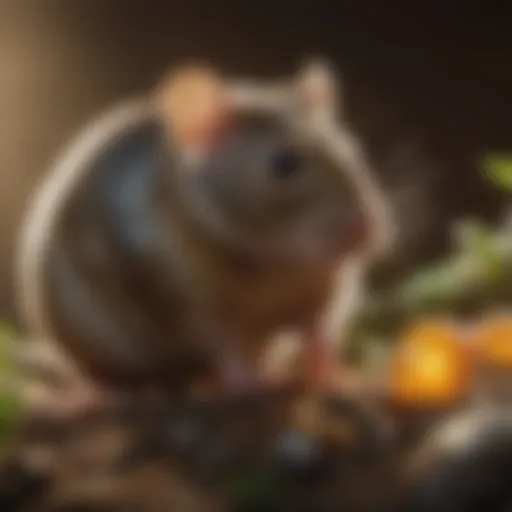
Voles belong to the rodent family and are often confused with moles and gophers. These small mammals typically have a stout body, short tails, and a thick coat of fur, easily identifiable by their characteristic burrowing habits. Voles can wreak havoc on gardens and lawns, munching on the roots of plants and shrubs, thereby jeopardizing their health and growth. Their audacious appetites mean they can get particularly troublesome during springtime when they are actively foraging for food to support their growing populations.
Signs of Infestation
The signs of a vole infestation are sometimes subtle but can become pronounced given time. Keep an eye out for:
- Surface Runways: These are narrow paths created by voles as they travel through your garden, often running along fences or garden borders.
- Chewed Plants: Voles will nibble on stems, roots, and tubers, leaving noticeable damage behind.
- Droppings: Small droppings, resembling a series of black or brown pellets, can often be found near burrow entrances.
- Burrow Entrances: Yous might see holes in the ground, generally 1 to 2 inches in diameter, which serve as entry points into their underground homes.
Monitoring these signs early on can save an innocent garden from devastation.
Prevention Techniques
Home Maintenance Tips
Preventing voles from becoming a nuisance requires a proactive mindset, particularly altering the conditions in and around your home. Here are several strategies to consider:
- Regular Lawn Care: Keeping your grass and garden beds free of debris and overgrown vegetation decreases hiding spots for voles.
- Mulching Wisely: Opt for sparse mulching. While it helps with moisture retention, thick layers can create a comfy home for voles.
- Plant Selection: Incorporate vole-resistant plants such as daffodils and lavender. These can naturally deter voles due to their scents, which rodents typically avoid.
Environmental Modifications
Making your property less appealing to voles involves not only direct action but also environmental adjustments:
- Fencing: Installing underground wire mesh fencing can limit access to burrowing. Consider burying it 6-12 inches deep to deter digging.
- Removing Hiding Places: Ensure any debris piles, like wood stacks or leaves, are cleared, making the environment less inviting.
- Water Management: Keep the soil dry and avoid overwatering, as voles prefer moist environments for burrowing.
Together, these techniques establish a foundation in managing and ultimately repelling voles before they become a true problem.
Eco-Friendly Pest Control Options
Natural Pesticides
When voles become insistent despite preventative measures, it's essential to turn to eco-friendly options. Natural pesticides provide a humane way to combat these pests:
- Castor Oil: Derived from castor beans, this natural product can repel voles when applied to areas of activity. Its strong aroma alerts rodents to danger, discouraging them from foraging around those spots.
- Essential Oils: Oils from peppermint and garlic tend to repel many mammals, including voles. Spraying diluted solutions around your garden may create a less-than-friendly environment for these critters.
Organic Pest Control Techniques
Beyond natural pesticides, organic methods offer further tools for combatting voles:
- Predator Scents: Introducing scents from natural predators, like fox or cat urine, can help frighten off voles.
- Trapping: Implementing quick and humane traps allows for population control without resorting to toxic chemicals. Ensure any traps used do not pose a risk to non-target animals.
Utilizing these eco-friendly options signifies a commitment to responsible gardening while safeguarding your plants from those pesky pests.
For more resources, consider checking out:
By taking these insights to heart, home and garden enthusiasts can successfully repel voles while maintaining a focus on sustainability.
Understanding Voles
Understanding voles is crucial for anyone dealing with garden upkeep or property maintenance. These small rodents can wreak havoc on landscapes, turning lush gardens into barren patches overnight. By getting to know them—how they behave, the role they play in the ecosystem, and how to spot their presence—you can develop hands-on strategies to protect your cherished outdoor spaces. This section lays down the foundation for more targeted methods later on, making it imperative for homeowners and enthusiasts alike to familiarize themselves with these creatures.
Anatomy and Behavior
Voles are often mistaken for mice due to their size and some similar physical traits. However, they have distinct differences. A typical vole measures around 4 to 7 inches in length, excluding its tail, which is notably short. They have compact bodies, with small eyes and ears, and their fur tends to be brown or grey. These features help them blend well in grassy areas, an advantage when it comes to avoiding predators.
Behaviorally speaking, voles are primarily herbivorous, munching on roots, tubers, and the tender shoots of plants. They tend to be most active during the early dawn and dusk, which means they do their feeding under the cover of low light. One should also note that voles are social creatures, often living in colonies. Their burrowing habits mean they can create extensive networks underground, providing both shelter and access to food sources.
Ecological Role
While they might be the bane of garden lovers, voles do play a significant role in the ecosystem. They serve as a food source for various predators, including hawks, foxes, and snakes. This places them at the center of a food web that supports biodiversity. Voles also aerate the soil through their tunneling activities, which can benefit plants in the long run.
Understanding their ecological role doesn't mean we condone their every action. It does, however, encourage a nuanced view on how to manage their populations humanely. Rather than outright extermination, we can explore ways to coexist, ensuring that we maintain the balance of our own gardens while recognizing their place in nature.
Signs of Infestation
Recognizing a vole infestation early can save a lot of headaches down the line. There are several key indicators to look for.
- Surface Tunnels: Unlike moles that dig deep, voles often create visible, winding runs near the surface. This can look like little paths running through the grass or between plants.
- Grazing Damage: If you notice a pattern of chewed plant stems or missing vegetation, that could very well be the telltale signs of a vole dining experience.
- Droppings: Vole droppings differ from other rodents' by being small, oval-shaped, and plentiful—like tiny dark seeds scattered around.
If you're observing such signs, it’s time to take action before they become too comfortable in your garden.
Understanding these aspects about voles prepares you for more advanced strategies on how to mitigate their impact, ensuring your garden remains a sanctuary rather than a buffet.
Preventive Measures
The importance of preventive measures in managing voles cannot be overstated. These small rodents can wreak havoc on gardens and landscapes if left unchecked, underscoring the need for proactive strategies. Effective prevention involves understanding their habits and tendencies, as well as integrating practices that reduce the likelihood of infestation. By adopting preventive measures, homeowners not only protect their prized plants but also create an environment that is less conducive to pest activity.
Landscaping Techniques
One of the first lines of defense against voles is through landscaping techniques that deter them from making your garden their home. Voles are known for scouting areas where they find ample cover, such as dense ground cover and tall grasses. Here’s what can be done:
- Choose Wisely: Opt for landscaping designs that minimize the number of hiding spots. Use fewer shrubs and opt for decorative elements that are more visible.
- Diversity is Key: Plant a diverse range of plants. Voles typically favor certain plants, so planting a mix makes the garden less appealing. Adding flowers or herbs that voles tend to avoid can be particularly effective.
An example of this is planting marigolds among your vegetables. The scent is off-putting to voles while still adding beauty to your garden.
"When it comes to gardening, a little variety can go a long way in keeping pests at bay."
Garden Barriers
Installing physical barriers provides a robust method for keeping voles away from vulnerable plants. Here are several strategies to consider:
- Wire Mesh Fencing: Use wire mesh, with holes small enough to prevent voles from squeezing through. Bury the bottom of the mesh a bit into the ground, as voles tend to dig under fences.
- Plant Guards: For individual plants, install plant guards. These are usually circular and made from metal or sturdy plastic that encases the base of the plant, protecting it while still allowing it to grow.
Through these efforts, garden barriers can hinder voles from accessing desired fruits and flowers, leading to a healthier garden overall.
Natural Repellents
Employing natural repellents can be an effective strategy in your vole management program. These are typically less harmful to the environment and to beneficial species. Some effective natural repellents include:
- Castor Oil: This oil has been noted to repel various rodents. Mixing castor oil with soap can make it stick to the plants, while its scent is distasteful to voles.
- Essential Oils: Strong scents like peppermint or eucalyptus work as deterrents. Soaking cotton balls in these oils and distributing them in the garden can alter the scent cover and keep voles at bay.
- Predator Urine: Using urine from predators such as foxes or coyotes can serve as a warning to voles that danger is near.
In summary, preventive measures act as the first line of defense against voles. By employing effective landscaping techniques, establishing garden barriers, and utilizing natural repellents, homeowners can create a less inviting environment for voles. This proactive strategy minimizes risks and helps ensure your garden remains a fruitful, vibrant space.
Employing Deterrents
In the ongoing battle against voles, the importance of employing deterrents cannot be overstated. These small mammals can wreak havoc on gardens, landscapes, and even crops. Employing deterrents serves as a proactive measure to dissuade these critters from taking up residence. The right deterrent approach ensures that homeowners can protect their plants and maintain the integrity of their outdoor spaces with minimal disruption.
Utilizing a combination of tactics not only maximizes effectiveness but also minimizes reliance on potentially harmful methods. When it comes to employing deterrents, understanding the specific types can enhance overall impact and lead to positive long-term results.
Chemical Repellents
Chemical repellents are a common route taken by those looking to keep voles at bay. These products, available in both commercial and homemade varieties, typically feature ingredients that disrupt the animal's sensory perception or create an unpleasant taste.
One popular example is castor oil, often noted for its efficacy. Applying it around areas with heavy vole activity can significantly deter them due to its odor and taste. Similarly, products containing predator urine, like that of coyotes or foxes, can trigger a natural flight response in voles, steering them away from your cherished plants.
However, caution should be exercised with any chemical application. It’s wise to follow all recommended guidelines to ensure that these methods remain environmentally friendly and do not harm beneficial creatures in the vicinity. Furthermore, the effectiveness of chemical repellents can fluctuate based on rain or other weather conditions, prompting periodic reapplication.
Ultrasonic Devices
Ultrasonic devices deserve a mention in any conversation about vole deterrents. These gadgets emit high-frequency sound waves that are supposed to be intolerable to small mammals, including voles, yet inaudible to humans. The logic is simple—if the voles find the environment uncomfortable, they are less likely to make themselves at home.
The beauty of using ultrasonic devices is their low maintenance and non-intrusive nature. Homeowners simply plug them in, and off they go, creating an invisible barrier. However, it's essential to manage expectations. Efficacy can be somewhat variable; some users report significant success while others find little change.
Predator Attractions
Attracting natural predators can also be an astute strategy for managing vole populations. Birds of prey, such as hawks and owls, can be aligned into the ecosystem through the right techniques. Installing owl boxes or perches can provide inviting spaces for these birds, encouraging them to visit.
Another approach is to introduce or promote a population of animals that thrive on voles. For instance, foxes are known for keeping the vole numbers in check. This requires a delicate balance, as introducing predators should be considered carefully and often involves understanding local wildlife regulations.
Biological Control Methods
In the landscape of pest management, biological control methods hold a critical position. They leverage nature's own mechanisms to regulate the populations of voles, presenting a more sustainable alternative to chemical-based interventions. One major benefit is that these approaches tend to be eco-friendly, effectively minimizing any potential adverse effects on non-target species and the broader environment. Implementing biological control methods not only aligns with a sustainable ethos but can also foster a healthier ecosystem overall.
Encouraging Natural Predators
One of the primary strategies within biological control involves encouraging the presence of natural predators of voles. Animals such as owls, hawks, and even snakes play pivotal roles in regulating vole populations. Introducing or enhancing habitats for these predators can lead to a balanced ecosystem where natural predation helps keep vole numbers in check.
Here are some ways to attract these helpful predators:
- Creating Perches: Install tall posts or trees that can serve as lookout points for birds of prey. They provide a vantage position from which owls and hawks can survey the ground for voles.
- Maintaining Natural Habitats: Allow some areas of your garden or yard to remain wild. Wildflowers, tall grass, and shrubs can provide cover for these birds while also offering an ecosystem for other beneficial insects and plants.
- Nest Boxes for Owls: Specifically designed owl boxes can encourage resident owl populations. As a bonus, these boxes can be crafted from readily available materials around the home.
By fostering a welcoming environment for these avian allies, you can naturally mitigate vole issues.
Using Companion Planting
Companion planting is another effective biological strategy that may help deter voles. The idea here is quite simple: some plants can repel voles when grown alongside more vulnerable crops. For instance, certain herbs such as rosemary and sage are known to emit strong scents that these rodents find unappealing. Not only do these herbs offer culinary benefits, but they also serve as a natural barrier against voles.
Here are some companion planting pairings that can help protect your garden:
- Lavender with Vegetables: Lavender's pungent aroma is distasteful to voles, making it a good companion for crops like carrots and beets.
- Marigolds Near Lettuce: Marigolds can deter not just voles but also other pests; thus, planting these flowers near your salad greens creates a multi-layered defense against unwanted visitors.
- Garlic & Onions: Both garlic and onions are known for their strong scents. Integrating these in your garden layout can significantly discourage voles from invading vegetable patches.
Utilizing companion planting not only enhances the aesthetic value of your garden but also turns it into an effective barrier against voles.
It's essential to understand that biological control methods require patience. These strategies take time to establish and may not yield immediate results, but they can be extremely effective in the long run.
For those looking to incorporate biological control methods into their vole management toolkit, remember that integrating these practices with other techniques enhances overall effectiveness. Keep an eye on your garden's ecosystem, maintain balance, and watch as nature helps to do its part in vole control.
For further reading on ecological approaches and their effectiveness, consider checking resources from Wikipedia and Britannica.
In sum, fostering a conducive environment for natural predators and implementing thoughtful planting strategies can create a natural defense against voles while promoting biodiversity.
Trapping Techniques
Trapping techniques sit at the core of effectively managing vole populations in a garden or landscape. These methods offer a hands-on approach for homeowners looking to address infestation issues promptly. Unlike deterrents or preventive measures, traps provide tangible results by physically capturing the voles. Understanding the nuances of trapping can help homeowners choose the right option, ensure safety, and contribute to overall garden health.
Types of Traps
Snap Traps
Snap traps are one of the oldest and most widely recognized tools for managing rodent populations, including voles. Their primary characteristic is simplicity—these devices work by snapping shut when triggered by an unsuspecting vole attempting to eat bait placed on the platform.
The appeal of snap traps lies in their effectiveness and speed; they can quickly reduce vole numbers. Often, homeowners appreciate this decisive action, particularly in gardens where voles cause swift damage to plant roots. The unique tension of a snap trap guarantees a swift capture, minimizing the chances of escape.
However, it's important to weigh some disadvantages. Setting these traps can pose risks to non-target species, like pets or beneficial wildlife. Additionally, they require regular checking to avoid unwanted odors or prolonged suffering. Nonetheless, they remain a popular choice due to their low cost and immediate results.
Live Traps
Live traps present a different methodology, allowing for the humane capture of voles. Rather than killing the animal, these traps trap it alive, enabling relocation to a suitable environment. The main characteristic of live traps is their design, which consists of a cage with a trigger mechanism that seals the door behind the vole once it enters.
Many homeowners prefer live traps for ethical reasons; they symbolize a compassionate approach towards wildlife management. Additionally, they eliminate the need for disposal, and users can release voles in less populated areas. However, it’s crucial to note the need for diligence—these traps should be checked frequently to ensure the trapped animal does not suffer from stress or lack of food. The relocation process also should comply with local regulations, as moving wildlife can sometimes disrupt local ecosystems.
Tunnel Traps
Tunnel traps are designed to fit seamlessly into the natural habitats voles create. By resembling a portion of their underground tunnel systems, these traps capitalize on voles' burrowing behaviors. The primary characteristic of tunnel traps is their placement; they are inserted into active tunnels where voles are known to travel.
Having a camouflaged design increases the chances of a successful catch since voles are less likely to be wary of traps that blend into their environment. This makes tunnel traps a clever option for those who are dealing with particularly savvy voles, as they’re less suspicious of what is already part of their established routes.
Despite their effectiveness, the limitation lies in ensuring that the traps are placed in active tunnels. If mispositioned, it can lead to reluctance in vole capture. Homeowners also need to check them regularly to avoid leaving trapped voles in confinement for extended periods.
Setting Traps Effectively
To maximize the success of trapping methods, it is essential to correctly set traps. This involves choosing the right location, which means understanding voles' behaviors and habitats thoroughly. Homeowners should look for signs of activity, such as chew marks on roots or visible burrows. Also, keeping the traps clean and free of debris helps enhance their effectiveness. Regular monitoring of traps ensures that the approach remains proactive rather than reactive, allowing for quicker resolution of any issues with these persistent critters.
"Regular monitoring and proper placement of traps can make all the difference in the battle against voles."
Exclusion Techniques
Exclusion techniques are a crucial component in the ongoing battle against voles. It’s not just about dealing with these critters after they’ve invaded; it’s preventing them from making your garden their home in the first place. By understanding how voles enter your space, you can implement strategies that offer both short-term and long-term solutions. The beauty of exclusion lies in its emphasis on proactive measures, which can save homeowners a world of trouble down the line.
Silo and Storage Protection
To bolster your defenses against voles, it’s essential to consider the storage solutions on your property. Many homeowners unknowingly provide ideal conditions for these rodents to thrive. Grain silos and feed storage areas often become voley havens if not properly managed. A simple yet effective approach is securing bulk feeds in well-sealed containers. Metal bins are preferable because they’re impenetrable compared to plastic options, which can be gnawed through.
Additionally, think about the layout of your storage areas. Elevating storage off the ground can deter voles from having easy access. Always ensure that pathways leading to these storage facilities are well-maintained and free of debris, making it harder for voles to hide.
"An ounce of prevention is worth a pound of cure."
Sealing Entry Points
One of the most effective methods to keep voles at bay is to meticulously seal entry points around your property. Many pests can wiggle their way through surprisingly small spaces. Inspect your estate for any gaps or cracks, especially near the foundation of buildings, around doors, and within walls.
Some key strategies include:
- Using wire mesh: Employ one-quarter inch hardware cloth to cover openings
- Filling gaps with caulk: It’s a quick method to seal less accessible areas
- Blocking potential tunnels: This could mean filling in holes that lead to your home, allowing no cozy burrows right next to your living space
It's essential to be thorough in your inspections; even the smallest gap can allow voles a gateway into your garden and home, leading to potentially catastrophic results for your plants. Taking the time to seal entry points not only protects against voles but also weakens the foothold of various other pests.
Cultural Practices
Cultural practices play a crucial role in the effective management of vole populations in residential gardens and landscapes. By employing methods that are sustainable and environmentally friendly, homeowners can reduce the likelihood of vole infestations while enhancing the health of their gardens. These practices can be particularly beneficial for those looking to minimize harm to non-target species and protect the ecosystem in their backyards.
The concept of cultural practices revolves around a range of strategies that reinforce the natural balance of the habitat, altering conditions that favor vole survival. By understanding how these small rodents interact with their surroundings, households can strategically adjust their gardening and land management approaches. The main benefits include:
- Reducing Attractiveness: Implementing practices that make the environment less inviting for voles helps deter them from settling in.
- Enhancing Garden Health: Practices such as crop rotation and maintaining cleanliness not only drive away pests but also foster a healthier, more vibrant garden.
- Sustaining Biodiversity: Promoting a more diverse ecosystem can help balance out pest populations naturally.
By focusing on these cultural methods, you not only protect your garden but also contribute positively to the broader ecological landscape.
Crop Rotation
Crop rotation is a particularly effective cultural practice that involves altering the types of crops grown in specific areas of your garden each season. This technique is based on the principle of disrupting the lifecycle of pests, including voles, while also improving soil health.
When certain plants are grown continuously in the same location, they attract specific pests that thrive on those plants. Voles, for instance, have favorite food sources, such as roots, tubers, and certain grains. By changing the crops, you can:
- Break the Cycle: Switching crops interrupts the food source for voles, making it harder for their populations to establish.
- Boost Soil Health: Different plants contribute various nutrients to the soil, which enhances its overall vigor and productivity.
- Encourage Natural Predators: Diverse crops can attract beneficial insects and animals that prey on voles, thereby providing additional control.
Implementing a simple rotation plan can yield significant long-term benefits. Perhaps designate areas for different plant families each season, keeping a close eye on how the changes affect any signs of vole activity in the garden.


Maintaining Cleanliness
Keeping a tidy garden is not just about aesthetics; it plays a vital role in effective vole management. Voles often seek refuge in cluttered or overgrown areas where they can easily camouflage themselves. By maintaining cleanliness in your garden, you make it a less hospitable environment for them. Here are several ways to ensure a clean environment:
- Regularly Clear Debris: Remove fallen leaves, weeds, and other debris that might provide shelter for voles.
- Trim Overgrown Vegetation: Keep bushes and grasses trimmed, especially near garden beds where voles might hide.
- Organize Garden Tools and Storage: Properly store garden supplies and tools in designated areas rather than leaving them scattered around, which can attract pests.
In short, maintaining cleanliness can go a long way toward preventing vole infestations. With a little diligence, you can create an environment that is less inviting for these pests, while also promoting a healthier garden overall.
Remember, a clean garden is not just a pretty sight; it's a fortress against unwanted critters, including voles.
For further information on cultural practices that support garden health and pest management, consider exploring resources like USDA.gov or Extension.org.
Evaluating Effectiveness of Methods
Understanding how to effectively repel voles means not only employing various strategies but also diligently evaluating their success over time. Evaluating the effectiveness of methods is crucial because it informs homeowners and pest control professionals whether their efforts yield tangible results. It’s not just a matter of trying different techniques willy-nilly; rather, it's about honing in on what truly works.
By monitoring the outcomes of your chosen methods, you can adapt and fine-tune your approach to achieve the best possible results in managing vole populations. Without evaluation, one might find oneself caught in a cycle of ineffective practices, perhaps even amplifying the problem rather than alleviating it.
Monitoring Vole Activity
Monitoring vole activity is an essential first step in any effective management plan. This involves several key elements:
- Observation: Keeping an eye on your garden or yard, especially during early spring and late fall when vole activity spikes. Look for signs of browsing on plants, which could include nibbled stems or missing vegetation.
- Tracking pathways: Voles create distinct paths as they navigate through the grass. These runways can help you determine the density of their presence in your area.
- Set up cameras: If you're looking for a more technological approach, consider setting up motion-sensor cameras. They can provide invaluable insights into the volume of activity and the times voles are most active.
By engaging in these monitoring practices, you can gather data that will inform your subsequent strategies. Ultimately, understanding the patterns of vole populations in your specific environment is like having a playbook – it arms you with the knowledge to make informed decisions about the most effective deterrents.
Adjusting Strategies Based on Results
Once you've been monitoring the situation for a while, it’s time to do a little detective work. Adjusting strategies based on results means taking that collected data and using it to refine your approach. Here’s how to proceed:
- Analyze your findings: Examine the data you’ve gathered from your monitoring efforts. Are there specific areas where voles are more concentrated? Did they respond to certain deterrents or traps?
- Refinement: If a technique doesn’t seem to be working, don’t hesitate to ditch it. For example, if you find that chemical repellents are ineffective, it might be the right moment to switch to natural repellents or ultrasonic devices.
- Implement changes: Start small. Make adjustments incrementally to avoid overwhelming the situation. You could begin by shifting your traps to more resource-rich areas where you've noticed increased activity.
To quote an old saying, "If it ain't broke, don't fix it," but if it is, you’ve got to roll with the punches and adapt.
By consistently evaluating the effectiveness of your methods, you will be better positioned to implement strategies tailored to your specific situation, ultimately leading to more sustainable and humane vole management practices.
Ethical Considerations
Understanding the ethical implications surrounding pest management, specifically in the context of voles, is crucial in fostering responsible gardening practices. As a homeowner looking to protect landscape investments, it’s easy to focus solely on immediate solutions without considering the broader impact of such actions on the environment and its inhabitants. By examining these considerations, we can adopt methods that are effective yet humane and sustainable.
Impact on Non-target Species
One of the main ethical dilemmas in dealing with voles is the risk posed to non-target species. Vole management often involves the use of traps and repellents that may inadvertently affect other wildlife. For instance, employing snap traps for voles can pose a threat to beneficial creatures like native birds, small mammals, or even pets.
To mitigate this risk, it is paramount to carefully select where and how traps are set. Position traps in areas frequented by voles, avoiding spaces used by other wildlife. Additionally, utilizing live traps can serve as a humane alternative.
- Educate Yourself: Familiarize yourself with local wildlife. Knowing which species are present can guide your trapping choices.
- Use Targeted Measures: Opt for strategies that are specifically designed for voles, such as certain types of bait that do not appeal to non-target animals.
"Pest control shouldn’t come at the cost of our natural allies. A balanced approach ensures a healthy ecosystem."
Environmental Implications
The effects of our actions on the environment can reach far beyond what is observed at the surface level. Utilizing chemical repellents, for instance, may keep voles at bay but can also introduce toxins into the soil and water systems, potentially affecting flora and fauna in nearby areas. Hence, ethical vole management demands a nuanced understanding of these risks.
- Choose Eco-friendly Options: Natural repellents made from ingredients like castor oil or garlic can deter voles without compromising the ecosystem.
- Promote Biodiversity: Encouraging a diverse range of plant species in your garden can help create a more resilient habitat that may discourage voles naturally.
Taking the path of sustainability not only aligns with ethical practices but also supports long-term pest management solutions. By being mindful of our impact on the environment, we ensure that efforts to repel voles contribute to a healthier garden and greater ecological balance, benefitting all forms of life in the area.
Epilogue
Understanding how to combat vole populations is not just a matter of personal investment in one’s garden or yard; it goes beyond aesthetics. The damage caused by voles can impact food sovereignty and ecological balance. In this article, we unraveled a spectrum of strategies designed for effective vole repulsion. From preventive measures and biological controls to ethical considerations, the methods discussed provide homeowners with hands-on tools to ward off these critters.
In stepping away from traditional means, readers discover that sustainable practices not only protect their personal green spaces but contribute to a broader ecological harmony. Homeowners are empowered to take action that is both responsible and informed. By understanding the behavior of voles, the signs of infestation, and the various deterrents available, one cultivates a proactive mindset, helping to ensure their garden flourishes untouched, while fostering a respect for natural systems.
"Prevention is better than cure." This old adage rings true in the realm of pest management and speaks to the essence of this article’s findings.
Summary of Strategies
As we've navigated through this exploration, several key methods have emerged as effective strategies to repel voles. Here’s a recap:
- Preventive Measures: Landscaping techniques and barriers, such as gravel around plants or planting vole-resistant species, can dissuade voles from taking up residence.
- Employing Deterrents: The use of chemical repellents, natural deterrents like castor oil, and the introduction of ultrasonic devices provides options that align with individual values.
- Biological Control Methods: Encouraging natural predators like owls or introducing companion planting creates a balanced ecosystem that keeps vole populations in check.
- Trapping Techniques: Different types of traps, like snap traps or live traps, allow for precise control over vole numbers in specific areas.
- Exclusion Techniques: Simple actions to seal entry points in gardens and storage areas can prevent voles from accessing food supplies.
- Cultural Practices: Maintaining cleanliness through practices like crop rotation helps reduce the chances of infestation.
- Evaluating Effectiveness: Ongoing monitoring and adjusting strategies ensures continual effectiveness against vole activity.
These strategies encompass a holistic approach, interweaving environmental responsibility with practical solutions, allowing homeowners to take charge of their gardens with knowledge and confidence.
Future Directions in Vole Management
As we look forward, the landscape of vole management is ripe for innovation and evolution. Emphasizing research into integrated pest management (IPM) can foster methods that balance efficacy with ecological integrity.
Anticipated advancements may include:
- Research on New Repellents: Continuing exploration into natural deterrents that minimize harm to non-target species is crucial. This may include further studies into plant-based compounds that can be derived from local flora.
- Enhanced Trapping Technology: Innovations in trapping mechanisms that not only improve capture rates but also adhere to humane standards are critical for responsible pest management.
- Community-Based Initiatives: Strengthening community awareness through educational programs can elevate public understanding of vole behavior and promote preventative measures. This creates a ripple effect, as informed community members share strategies and experiences.
- Policy Development: Encouraging local governments to consider environmental policies that regulate pesticide usage while advocating for natural pest management practices could foster a healthier ecosystem overall.
In sythesis, vole management is an ongoing journey that benefits from adaptation, reflection, and community engagement. Armed with knowledge from this article and an eye towards sustainable practice, homeowners are better prepared to enjoy vibrant gardens that flourish free from the threat of vole damage.
For further insights into effective gardening practices and animal control, refer to resources such as Wikipedia, Britannica, and various university agricultural extensions.
By understanding and implementing these strategies while remaining cognizant of future developments, homeowners can decidedly shape a harmonious relationship with their gardens and the wildlife that inhabits them.