Effective Strategies for Red Squirrel Control


Intro
When it comes to wildlife in our backyards, few creatures are as charming as the red squirrel. Their nimble leaps and energetic antics can provide delightful entertainment. Yet, beneath their adorable exterior lies a truth not all homeowners wish to confront: red squirrels can wreak havoc in residential areas. As these little critters forage for food, their presence might lead to significant damage to your home and garden. Understanding how to manage red squirrel populations effectively is imperative for anyone looking to maintain a balanced ecosystem while minimizing nuisance.
This guide aims to furnish homeowners and pest control experts alike with comprehensive strategies on managing red squirrel infestations. By examining their behavior, recognizing signs of an infestation, and applying effective control methods, you'll be equipped with the tools needed to address these challenges responsibly.
Identification of Common Pests
Description of Common Pests
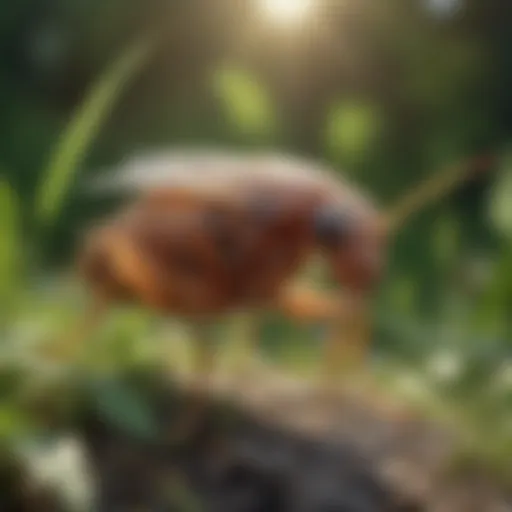
Red squirrels (Sciurus vulgaris) are small, agile rodents easily recognized by their bushy tails and reddish-orange fur. Typically found in wooded areas, they are not deterred by the comforts of suburbia. These creatures usually weigh between 200 to 250 grams and measure about 20 to 25 centimeters in length, excluding their tail. Their playful personality and curious demeanor make them endearing to observe, but their penchant for chewing through plastic, electrical wiring, and insulation can quickly turn them from a welcome sight to a household hazard.
Signs of Infestation
How do you know if you have a red squirrel issue? Here are some telltale signs to watch for:
- Chewed insulation or wiring: If you notice frayed wires or shredded insulation in your attic, it might be time to investigate.
- Droppings: Look for small, cylindrical droppings scattered in your garden or around your home. These usually resemble small black seeds.
- Nests: Red squirrels often build nests out of leaves and twigs, typically in trees, although they may venture into attics or garages to set up camp.
- Scratching sounds: If you hear scurrying or scratching from above, it’s a clear indicator that squirrels might have made your home their playground.
"Prompt detection of red squirrel issues can spare homeowners significant repair costs."
Prevention Techniques
Home Maintenance Tips
Keeping red squirrels at bay begins with proper home maintenance. Here are a few vital steps:
- Seal entry points: Inspect your home for holes or gaps larger than 1.5 centimeters, particularly around eaves, chimneys, and vents. Use wire mesh or caulking to seal these vulnerable spots.
- Keep food sources limited: Store birdseed, pet food, and other edibles in airtight containers. Clean up any spilled seeds or nuts promptly.
- Trim trees: If tree branches hang close to the house, just trim them back. This reduces the pathways red squirrels can use to access your roof.
Environmental Modifications
Consider implementing changes in your yard to deter these persistent pests:
- Garden barriers: Plant low barriers of thorny bushes, or use fencing materials around gardens to limit access.
- Natural repellents: Sprinkling cayenne pepper or using essential oils like peppermint can deter squirrels from specific areas. While they may not be foolproof, these measures are worth a try.
Eco-Friendly Pest Control Options
Natural Pesticides
For homeowners keen on avoiding harsh chemicals, there are natural approaches that can be used:
- Liquid soap solutions: A mixture of liquid soap and water can be sprayed on areas frequented by squirrels; it is harmless yet can deter them.
- Citrus sprays: The scent of citrus is known to repel many rodents, so consider employing citrus-infused solutions around your outdoor spaces.
Organic Pest Control Techniques
Opting for organic pest control can be beneficial for both your family and the environment. Here are a few to consider:
- Live traps: If you must remove squirrels, consider using non-lethal traps that allow for relocation rather than extermination. These are humane ways of managing the population, especially if they’re disrupting your space.
- Habitat modification: As mentioned previously, modifying the habitat around your home can discourage red squirrels from settling in too close. Keeping your garden tidy and free of fallen nuts or berries can greatly reduce attractiveness.
By adopting these elements into your red squirrel management plan, you can help ensure a smarter approach while keeping your home environment cheerful and habitable.
Preamble to Red Squirrels
Understanding red squirrels is crucial for any homeowner looking to manage their presence effectively. These small mammals, while charming, can cause considerable issues when they invade residential areas. They have a unique set of behaviors and preferences that often lead them to encroach upon human habitats. Knowing about these aspects helps garden enthusiasts and homeowners take proactive steps in addressing potential infestations before they escalate.
Overview of Species
Red squirrels, scientifically known as Sciurus vulgaris, are fascinating creatures found across a range of habitats, particularly in coniferous forests. Characterized by their russet fur and bushy tails, they have adapted well to various environments, often leading to their proximity to urban areas. Their diet mainly consists of nuts, seeds, and fruits, which they meticulously gather and stash for winter. An interesting aspect is their role in seed dispersal, which helps promote forest growth. While they may seem like harmless nuts hunters, their increasing adaptability has raised concerns among homeowners who face their unexpected antics, such as chewing through wires or nesting in attics.
Habitat Preferences
Red squirrels thrive in environments that provide ample food supply and suitable nesting sites. They typically favor dense woodlands with plenty of tree cover, particularly conifers, since these trees yield a bounty of seeds. However, they can also settle in urban gardens and parks, especially those with mature trees. When evaluating their habitat preferences, it’s worth noticing how they seek out locations that offer safety and food, often establishing nests high in trees or within sheltered spaces. This adaptability to different surroundings highlights the challenge homeowners face in deterring their presence.
"A little knowledge about red squirrels can go a long way in preventing problems down the line."
Given the impact they can have on gardens and property, it's essential for people to understand how to manage their interactions with these creatures. By recognizing their preferred habitats and behaviors, homeowners can implement strategies that minimize unwanted encounters while respecting the ecological role red squirrels play in the environment. This not only leads to effective control but also helps maintain a balance in local wildlife.
Understanding Red Squirrel Behavior
Understanding the behavior of red squirrels is paramount for anyone looking to manage their populations effectively. Grasping how these creatures live, forage, and reproduce can provide insights that inform control strategies. Not only do these insights help mitigate damages to property and gardens, but they also allow for a more humane approach to management. With red squirrels being part of the local ecosystem, ensuring their interaction is kept in check while respecting their role is essential.
Feeding and Foraging Habits
Red squirrels are known for their busyness, often darting around while gathering food for their nests. They predominantly feed on seeds, especially those from pine cones, but their diet isn’t limited to just that. They also nibble on nuts, berries, and even fungi, making them opportunistic feeders. Knowing their feeding habits can revolutionize how you handle their presence.
Why It Matters
By watching where they forage, you can identify specific areas that attract them, which can help in devising exclusion strategies. For instance, if you notice heavy activity near certain trees, consider removing fallen nuts or seeds to make these areas less appealing.
Key Points on Foraging:
- Red squirrels typically cache food in various locations, which could lead to new infestations.
- Monitoring their foraging routes can pinpoint areas that attract them the most.
- Utilizing natural repellents could deter them from key feeding spots.


These creatures have sharp memories that aid them in locating their hidden food sources, stressing the importance of addressing potential food availability around your home.
Reproduction and Nesting
During spring, red squirrels become notably more active as they seek mates. Their breeding cycles can lead to increased activity and could raise concerns for homeowners. Red squirrels usually breed twice a year, having up to six kittens at a time. Their dens, often located in tree cavities or abandoned burrows, provide excellent shelter and safety, which underlines the importance of understanding their nesting habits.
Considerations for Nesting
- Their choice of nesting spots often overlaps with human structures, leading to potential conflicts.
- Keeping an eye out for signs of nesting, such as accumulation of twigs and debris around trees or houses, can help in early detection of infestations.
The more you know about the reproductive patterns and nesting behaviors of red squirrels, the better prepared you are to take preventive measures. Reducing nesting opportunities, such as sealing entrances to attics or eaves, is a direct method of management.
"Proper understanding of red squirrel behavior not only informs control methods but also helps maintain balance within the ecosystem. Each action taken can have ramifications far beyond one’s garden."
By honing in on their feeding and nesting habits, homeowners can develop targeted, effective strategies for dealing with their presence while minimizing unnecessary harm.
For further reading on red squirrel behavior, consider visiting Britannica.com, or see discussions on platforms like Reddit.com for shared experiences and tips.
Identifying Red Squirrel Infestations
Recognizing a red squirrel infestation early can save property owners a world of heartache and cash. If left unchecked, these lively little creatures can wreak havoc on homes and gardens alike. So, knowing the signs and potential entry points is not just beneficial—it's crucial. The sooner you're aware of their presence, the quicker you can take action, preventing more severe damages and disturbances.
Signs of Activity
When it comes to spotting red squirrels, knowing what to look for can make all the difference. Here are some key indicators that might signal their presence:
- Chewed Wood: If you start noticing gnaw marks on wood structures, this may very well mean a red squirrel has made your home its own personal buffet. They’re notorious for their love of wood—not just for food but also for building nests and burrows.
- Nesting Materials: Look for twigs, leaves, or even bits of your own insulation scattered around. Squirrels will collect these items to create cozy nests, and their little stash can often be spotted unexpectedly.
- Droppings: You might find small, dark pellets. Squirrel droppings are usually about the size of a raisin, and spotting these in your attic or around the garden is a telltale sign of their activity.
- Noise: Keep an ear out. Scratching sounds or chattering—often at dawn or dusk—can indicate squirrels in your walls or attic.
While spotting these signs, make sure you also know how to differentiate between red squirrels and other potential nuisance species so you can address the right problem.
Common Entry Points
Now, once you've identified that little rascal is indeed around, it's essential to understand where they're likely getting in. Red squirrels are clever; they can squeeze through surprisingly small spaces. Here are the common entry points you can investigate:
- Gaps Around Vents: Check for any holes or gaps around roof vents and eaves. Squirrels can easily exploit these, especially in older homes.
- Damaged Roofs: If shingles are missing or if there are any holes, you might as well roll out the red carpet for these critters.
- Unsealed Openings: Look at areas where utility lines enter the home. Any unsealed spots are invitations for squirrels.
- Overhanging Tree Branches: If you have trees that touch or hang over your roof, consider them a bridge for squirrels to leap onto your home.
Watching for these indicators and entry points equips homeowners to respond quickly, ensuring that they can reclaim their space before squirrels turn their property into a playground.
"A stitch in time saves nine." Tackling a squirrel problem early on can help you avoid a far bigger mess later.
Damages Caused by Red Squirrels
Understanding the damages caused by red squirrels is crucial when considering effective control strategies. Homeowners often underestimate the impact these small creatures can have. They are not just adorable tree dwellers; they can wreak havoc on both the structures we live in and our gardens.
By shedding light on the specific damages associated with red squirrels, we can better appreciate the multifaceted nature of this issue. It's not only about addressing the annoyance of these animals but also about protecting your home and landscape.
Structural Damage
Red squirrels have an innate talent for finding vulnerabilities in residential structures. Their teeth are incredibly strong and ever-growing, making it easy for them to chew through wood, wires, and insulation. A common point of entry is through the roof, where they can tear up shingles and create holes.
- Chewing on Wires: One of the biggest hazards is when red squirrels gnaw on electrical wires. This can not only lead to costly repairs but can also pose serious fire hazards. Homeowners are sometimes shocked to discover that small rodents can lead to such significant dangers.
- Damage to Insulation: Squirrels often dig into insulation, displacing it and thereby reducing its effectiveness. This can lead to higher energy bills as your heating or cooling systems work overtime to compensate for lost insulation.
- Entry Points: Squirrels may also exploit even the tiniest gaps in a structure, leading to complications such as nesting in attic spaces or creating serious issues in storage areas. Regular inspections to seal these entry points are vital.
Indeed, structural damage from red squirrels can rack up bills faster than you might think. Therefore, vigilance is key, and homeowners should adopt preventive measures to minimize the risks associated with these critters.
Impact on Gardens and Landscapes
Besides structural damage, red squirrels can turn gardens into battlefields. They have a reputation for raiding bird feeders and digging up newly planted seeds, leaving many dedicated gardeners frustrated. Here are several ways red squirrels can affect your green spaces:
- Seed and Plant Raids: When red squirrels feel their bellies start to rumble, they have no qualms about digging up flower and vegetable seeds. Though they may be working on their storage for winter, they leave the garden looking as if a tornado has struck.
- Bulbs and Root Systems: Red squirrels enjoy consuming bulbs and roots, which are essential for the health of many plants. Once you've put time and effort into your garden, seeing it destroyed can be particularly disheartening.
- Damage to Fruit Trees: If you have fruit trees, you could be in for a surprise. Squirrels have been known to nibble on unripe fruits and may damage branches in the process. This not only affects yields but can also cause long-term health issues for the trees.
"An ounce of prevention is worth a pound of cure," as the saying goes. Addressing these issues head-on can save you time, money, and a whole lot of headaches.
For further reading, you might find valuable insights in resources such as Wikipedia and Britannica.
By understanding the consequences of allowing red squirrels to thrive unchallenged, homeowners can take proactive steps toward safeguarding their property.
Legal Considerations in Squirrel Control
It's crucial to understand the legal landscape concerning red squirrel control, especially for homeowners who are battling these ambitious little critters. Various laws and regulations govern wildlife management, which can significantly affect how one can proceed with squirrel control. Ignoring these legal aspects could not only escalate the issue but also place residents in a precarious legal position. Therefore, it's not merely about getting rid of the squirrels; it's about doing it in a way that respects both the law and the environment.
Understanding local wildlife protection laws is essential. These laws often dictate specific measures that are permissible when it comes to managing wildlife populations. For instance, certain regions may afford more protection to red squirrels compared to other species. That means lethal methods of control could either be regulated or outright prohibited. Homeowners should be diligent in researching their local laws, often available through government websites or local wildlife agencies, to ensure they remain compliant while addressing their squirrel issues.
Local Wildlife Protection Laws
Local wildlife protection laws can vary immensely from one area to another. In some places, red squirrels may enjoy certain protections due to their role in the ecosystem. Familiarizing oneself with these laws provides insights into the best practices for control. It’s essential to know whether permits are required for any control measures you might plan to undertake.
- Protected Species: Regulations may classify red squirrels as a protected species, which necessitates non-lethal control measures.
- Permitting Processes: Some jurisdictions might require a permit for trapping or relocating squirrels. Always check the local guidelines to avoid hefty fines.
- Seasonal Restrictions: Certain times of the year could impose constraints on control activities, especially during breeding seasons. These considerations highlight the need for careful planning.
Researching local laws can be done via government portals such as *.gov. These resources often provide comprehensive guidelines and updates on wildlife protections.


Humane Treatment Guidelines
When it comes to managing red squirrel populations humanely, various guidelines should be adhered to. Prioritizing humane treatment reflects a responsible and ethical approach toward wildlife management. There’s a vast spectrum of strategies that can be employed to discourage red squirrels without harming them.
- Non-lethal Methods: These are often favored and include exclusion techniques, habitat modification, and using deterrents. For example, simply sealing off access points can be both effective and humane.
- Trapping: If trapping becomes necessary, choose live traps that ensure the squirrel is unharmed. However, remember to check traps frequently and relocate captured squirrels to areas allowed by law.
- Consulting Experts: Relying on professional wildlife control services can be a wise move. These experts are generally well-versed with local laws and humane practices and can provide tailored solutions that align with legal requirements.
Methods for Red Squirrel Control
Managing red squirrel populations isn’t just about dealing with the visible issues they cause; it requires a thoughtful strategy that considers their behaviors and ecological impacts. Accurate identification of effective control methods is crucial as this ensures you minimize damage while considering humane practices.
In this segment, we will closely examine three primary methods: exclusion techniques, habitat modification, and trapping options. Each of these methods offers unique advantages and challenges, making a tailored approach essential for effective squirrel management.
Exclusion Techniques
Exclusion techniques serve as the first line of defense when managing red squirrel populations. By physically preventing these creatures from accessing certain areas, homeowners can drastically reduce the likelihood of infestations.
Sealing Entry Points
Sealing entry points is a fundamental method, hinging on the idea that prevention is better than cure. By applying robust materials like durable metals or hard plastics to cover gaps, cracks, and holes, you create a barrier that red squirrels cannot easily breach. This approach not only proves beneficial in safeguarding your home but is also a relatively affordable remedy. It's worth noting, however, during the sealing process, you'll want to ensure that any existing squirrels have vacated the area; sealing them inside could lead to bigger problems.
Key Characteristics: It is a proactive solution that fundamentally alters the accessibility of your living space.
Unique Feature: Its effectiveness lies in its simplicity—most homeowners can perform this task using common tools, making it an accessible choice for many.
Installing Fencing
Installing fencing is another exclusion technique that adds an additional layer of protection against red squirrels, particularly in gardens or on larger properties. Having a sturdy fence that either buries itself slightly underground or is tall enough to deter scaling can be quite effective.
Key Characteristics: Fencing is not only useful for protecting vegetation but also prevents squirrels from accessing structures altogether.
Unique Feature: Unlike temporary solutions, a well-built fence can last for years. However, be mindful that squirrels are agile, so ensuring the fence is of sufficient height is crucial, along with checking for any gaps that could serve as loopholes.
Habitat Modification
Habitat modification addresses the broader aspects of the environment that make your property inviting to red squirrels. By altering these factors, you can effectively discourage their presence without resorting to harsher methods.
Removing Food Sources
Removing food sources is a logical step towards managing red squirrel populations. These critters are notoriously drawn to easily accessible food, especially nuts or pet food left unattended outside. This technique can be highly effective; the less food you provide, the less attractive your yard becomes.
Key Characteristics: By being proactive about your trash and pet foods, you cut down on the things that draw squirrels in.
Unique Feature: While it sounds elementary, many homeowners overlook the simple act of proper food storage and disposal. Reducing food availability can significantly reduce squirrel activity.
Altering Nesting Sites
Altering nesting sites is about making your property less accommodating. This includes concerns like keeping trees trimmed and removing thick shrubs where squirrels may wish to nest. Recognizing that squirrels thrive in certain environments helps to amend those conditions.
Key Characteristics: This method requires minimal direct interaction with the animals and focuses on modifying their environment.
Unique Feature: It is a long-term strategy that, when combined with other techniques, greatly decreases the likelihood of return infestations.
Trapping Options
While exclusion and habitat modification serve as preventive measures, trapping options might become necessary when dealing with active infestations. Understanding the types of traps and utilizing best practices ensures humane and efficient removal.
Types of Traps
Types of traps include various designs, suitable for different environments. Live traps are often favored as they give homeowners the ability to relocate rather than harm the animal. However, snap traps, while lethal, can be quick and often more decisive.
Key Characteristics: The choice of trap usually depends on the situation—how severe the infestation is and the homeowner's preference for humane treatment.
Unique Feature: Many modern traps come with features designed to reduce the chances of unintended captures, thus aligning with humane strategies. Choosing the right trap can be pivotal to success.
Best Practices for Trapping
Best practices for trapping hinge on strategic placement, ensuring traps are set in areas with visible activity signs. Using bait that appeals to squirrels, like peanut butter or seeds, can significantly increase effectiveness. Additionally, regularly checking traps prevents undue stress on captured wildlife, showing respect for their well-being.
Key Characteristics: Utilizing a systematic approach makes trapping more effective and minimizes any potential ethical concerns.
Unique Feature: The aspect of responsibility in best practices not only aids in successful control but demonstrates a level of respect for wildlife that many homeowners now prioritize.
Eco-Friendly Control Approaches
Eco-friendly control approaches are essential when dealing with red squirrels, not only for ethical reasons but also for practical benefits. These methods prioritize the well-being of wildlife while effectively managing squirrel populations. Homeowners increasingly look for alternatives to traditional pest control methods that may harm the environment or their garden. When considering strategies, it’s pivotal to explore options that are sustainable and responsible, balancing human needs with ecological integrity.
Implementing eco-friendly techniques does far more than just managing red squirrels. It helps to promote biodiversity and can lead to healthier landscapes. As communities become more aware of the environment's fragility, these approaches also build a sense of camaraderie among neighbors, empowering them to work together towards common goals. The next sections will delve into specific non-lethal deterrents and the importance of engaging the community in these efforts.
Non-lethal Deterrents


Smell-based Repellents
Smell-based repellents are a vital tool in managing red squirrel populations without harming the animals. These products typically utilize scents that red squirrels find unpleasant. For instance, some homeowners may use predator urine, which naturally deters squirrels by invoking their instinctual fear. The key characteristic of these repellents is their ability to create a barrier that makes areas less appealing for squirrels to visit.
One unique feature of smell-based repellents is that they can be easily applied in various areas around the home, such as gardens or attic spaces. This ease of use combines with its generally low environmental impact, making it a favored choice among eco-conscious individuals. However, it's important to note that the effectiveness can vary depending on environmental conditions and may require regular reapplication, particularly after rain.
- Advantages:
- Disadvantages:
- Environmentally friendly
- Simple application
- Minimal harm to other wildlife
- May need frequent reapplication
- Effectiveness can wane with time
Noise and Motion Deterrents
Noise and motion deterrents represent another layer of eco-friendly strategies that harness the natural instincts of red squirrels. Devices that create sounds or sudden movements can be effective in surrounding areas. For instance, using ultrasonic devices can be particularly beneficial, as they emit high-frequency sounds that are disturbing to squirrels but inaudible to humans.
The primary characteristic of noise and motion deterrents is their non-intrusive nature; they don't require chemicals or harms to animals. This makes them a popular choice for many homeowners who seek a more gentle approach to wildlife management. However, it's worth mentioning that these devices may need strategic placement to function optimally in different outdoor environments.
- Advantages:
- Disadvantages:
- No harmful chemicals involved
- Eco-friendly solution
- Can cover a wide area if installed properly
- Limited effectiveness in all environments
- Sound can disturb other wildlife or pets
Community Engagement
Engaging the community plays a pivotal role in the successful implementation of eco-friendly control approaches. When neighbors collaborate on measures to manage red squirrel populations, they create a unified front that enhances the effectiveness of individual strategies. Workshops or local gatherings focused on squirrel management can provide valuable knowledge and share experiences, empowering community members to act collectively.
Moreover, social media groups or local forums can serve as platforms for homeowners to share advice, tips, and success stories around effective methods of squirrel control. This helps in spreading awareness and encourages proactive actions rather than reactive measures.
Fostering community spirit through these initiatives not only benefits the immediate environment but can also lead to stronger relationships among residents, creating a network of support and information sharing around wildlife management.
In summary, eco-friendly control approaches, including non-lethal deterrents and community engagement, underscore the importance of humane and responsible management of red squirrel populations. By adopting these strategies, homeowners can contribute to a balanced ecosystem while protecting their properties from potential damage.
Monitoring Effectiveness
Effective management of any wildlife population, including red squirrels, hinges on consistent monitoring. For homeowners and pest control professionals alike, understanding how to assess and track squirrel populations is key to implementing successful control strategies. The very essence of monitoring effectiveness lies in its capacity to inform you whether your chosen methods are yielding the desired results or if adjustments are needed. In the realm of ecological balance, where every creature plays its part, staying vigilant helps in maintaining harmony between nature and your living space.
Assessing Population Reduction
When it comes to monitoring red squirrel populations, starting with a baseline is essential. Take time to notice signs of their presence in your area—chewed tree bark, scattered nuts, or even the occasional sighting of these furry little rascals. Document these findings, as they’ll serve as a reference point for evaluating any changes over time.
Regular assessments can take various forms:
- Visual Counts: Spend a few moments each week watching trees, gardens, and backyards for any squirrel activity. Jot down dates and numbers.
- Camera Traps: Setting these up in hotspots can yield valuable data. It allows you to see changes in numbers and behavior without needing to hang around, which can be a game-changer for busy lives.
- Dens and Nests: Monitoring nests is also a worthy pursuit. Are they inactive or bustling with activity? This can significantly indicate population trends.
The goal? To see a decline in squirrel sightings and evidence, indicating the effectiveness of your control methods. By keeping tabs on their numbers, you not only determine the success of your strategies but also tailor your approach as needed.
Adjusting Strategies Based on Results
Once you’ve assessed the population and gathered your data, the next step is to recalibrate your tactics. If you find that despite your best efforts, red squirrel numbers remain steady or increase, it’s time to take a closer look at your current strategies. Flexibility is paramount—rigid approaches rarely yield satisfactory outcomes.
Here are some elements to consider when adjusting your strategies:
- Review Methodologies: Are your exclusion techniques sealing all entry points? Maybe it's time for a review. Sometimes, minor tweaks can lead to major results.
- Diversify Deterrents: If noise and smell-based repellents aren’t cutting it, consider adding new layers. Incorporate items like scare devices or shifts in feeding habits.
- Engagement with Community: Learn from neighbors—what’s working for them? Sharing insights might shed light on new strategies to adopt for your own situation.
By diligently monitoring and adapting, you empower yourself to not just manage red squirrel populations effectively, but also lay the groundwork for long-term solutions that don’t compromise your home’s integrity or your local ecosystem.
"The best laid plans can only take you so far; monitoring ensures you're always one step ahead in responding to nature’s whims."
In essence, monitoring is the backbone of any squirrel control strategy. A keen eye can make all the difference, allowing homeowners to navigate the challenges presented by these energetic creatures with both insight and strategy. By maintaining diligence in assessment and being open to adjusting tactics, you cultivate a well-informed, effective control plan that actively enhances your environment.
The End and Future Considerations
Effective strategies for managing red squirrels hinge not merely on immediate control methods but demand a holistic approach that embraces the long term. The importance of implementing lasting management strategies cannot be overstated—it ensures that homeowners maintain peace in their spaces while respecting natural ecosystems. If we take a short-sighted approach, we might address one problem today, only to find ourselves facing the same challenges down the line with increased fervor.
As pest control professionals and homeowners alike navigate this tricky balance, it is imperative to adopt strategies that are sustainable. Regular monitoring is vital to determine the efficacy of control measures and to adjust practices accordingly. Furthermore, fostering an understanding of red squirrel behavior can bolster these strategies. Awareness can go a long way in preventing issues from arising in the first place.
Long-term Management Strategies
Implementing long-term strategies requires commitment but pays off over time. Several key elements must be factored into this approach:
- Integrated Pest Management (IPM): This strategy combines multiple techniques to manage squirrel populations while minimizing environmental impact. By understanding behavioral patterns and habitat preferences, IPM allows for targeted actions.
- Ongoing Habitat Modification: Continually altering the environment can deter squirrels from settling into residential areas. This can include:
- Community Awareness Programs: Sharing knowledge around squirrel behavior and control techniques can create a community-focused approach to pest management. This not only forecasts potential squirrel issues but also ensures a cohesive response when problems arise.
- Technological Tools: Utilizing modern technology, such as remote monitoring systems, can assist in keeping track of squirrel activities across properties, allowing homeowners to act swiftly.
- Planting less enticing vegetation or trees that do not naturally attract squirrels.
- Ensuring that gardens are well-guarded against foraging.
Ultimately, these strategies, coupled with empathy towards wildlife, may allow for peaceful cohabitation between humans and red squirrels.
The Importance of Biodiversity
Biodiversity plays an integral role in maintaining the ecological balance within residential areas. Red squirrels, despite their challenges, are a part of this delicate web. The presence of diverse species fosters a robust ecosystem where food chains and habitats can flourish, providing essential services such as pest break control and seed dispersal.
Recognizing the significance of biodiversity leads to informed decisions regarding population management:
- Ecosystem Health: A mixed environment provides resilience against disease, while also supporting various wildlife that contributes to natural pest control.
- Educational Opportunities: Engaging with local wildlife encourages residents, especially young ones, to respect and appreciate nature. Understanding that red squirrels have their role within a broader ecosystem can shift perspectives from viewing them solely as pests to recognizing their ecological contributions.
- Mitigating Climate Change Effects: Biodiverse ecosystems are better equipped to adapt to climate variations, ensuring that local wildlife can thrive amid changing conditions.