Effective Pest Control Strategies in Pinellas County
Intro
Residents of Pinellas County, Florida, often find themselves in a constant battle against an array of pests. From ants marching in a line across the kitchen floor to the telltale buzzing of mosquitoes during balmy evenings, learning about pest control is crucial for every homeowner. In this guide, we will peel back the layers on effective pest management strategies tailored specifically for our region.
We'll also shed light on the most common pests you might encounter in your abode, and how to spot signs of infestation before they ruin your comfort. With this knowledge, you'll be equipped to tackle pests head-on, whether you're focused on protecting your home or operating a commercial establishment. Let's dive right into understanding the notorious bugs that might be lurking around your premises.
Identification of Common Pests
Description of Common Pests
In the warm and humid climate of Pinellas County, a number of pests thrive. Notably, the American cockroach can grow to over three inches and is known for its speed and adaptability. Another common adversary is the fire ant, which has a painful sting and tends to build extensive mounds that can take over your yard.
Then there are termites, the silent destroyers of wood, often causing unnoticeable damage until it’s too late. They swarm in colonies, especially during spring when they leave their nests in search of new territory. Let’s not forget about the Asian tiger mosquito, infamous for its aggressive biting and role in spreading diseases.
Signs of Infestation
Knowing how to identify signs of pest infestation is half the battle. Here are a few indicators:
- Droppings: Insects like cockroaches leave behind tiny black specks, while mice produce small, pellet-like droppings.
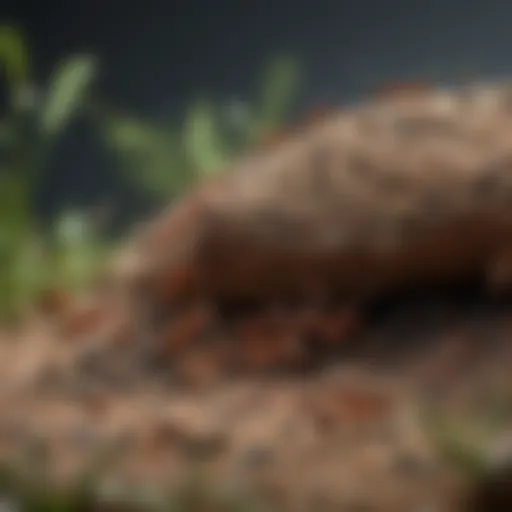
- Nests and Mounds: Ants create visible trails and nests, while termites may leave behind wood shavings or mud tubes.
- Damage to Property: Soft spots in wood or unexplained holes in walls might suggest the presence of termites or rodents.
- Odors: Unpleasant smells can indicate decay, often linked to pests.
If you notice any of these signs, it’s essential to act swiftly.
Prevention Techniques
Home Maintenance Tips
Preventing pests starts at home with diligent maintenance. Keeping a tidy yard and sealing any cracks or crevices in walls can go a long way towards deterring invaders. Here are some practical tips to keep in mind:
- Seal up holes: Inspect areas around windows, doors, and any utility openings.
- Properly store food: Use airtight containers for pantry items to thwart cockroaches and ants.
- Eliminate standing water: Standing water is a breeding ground for mosquitoes, so be diligent about draining any puddles.
Environmental Modifications
Making changes to your outdoor environment can also help. Plant pest-repellent plants such as marigolds or spearmint around your home to naturally deter insects. Additionally, introducing beneficial insects like ladybugs can help control aphid populations without intrusive chemicals.
Eco-Friendly Pest Control Options
Natural Pesticides
When considering pest control options, natural remedies also stand in the spotlight. Diatomaceous earth, made from the fossilized remains of tiny aquatic organisms, acts as an abrasive pest deterrent when sprinkled in areas where pests are prevalent.
Essential oils—a favorite among eco-conscious homeowners—can also be powerful. Oils like peppermint and tea tree oil can repel various pests without harsh chemicals.
Organic Pest Control Techniques
Incorporating organic techniques into your pest management can boost sustainability. Here are some actionable methods:
- Companion planting: Pairing plants that naturally repel pests can be a game-changer in gardens.
- Homemade traps: Use soap and water-filled containers to trap pests like slugs and snails.
Prelude to Pest Control
When it comes to maintaining a comfortable and healthy living environment, the concept of pest control stands as a crucial pillar. In Pinellas County, Florida, the warm and humid climate creates an inviting playground for various pests, making it essential for homeowners to stay informed about how to manage these unwelcome visitors effectively.
Pest control is not just about eliminating the pests you can see; it's about understanding the dynamics that allow them to flourish in the first place. The significance of pest control lies in its ability to prevent infestations that could lead to damage in your home or pose health risks to your families. From the moment a single ant slips through a crack in your foundation, they start rallying their troops, turning your invincible fortress into a battlefield.
Benefits and Considerations
Practicing effective pest management offers numerous benefits:
- Health Protection: Many pests, such as roaches and rodents, are carriers of diseases. By controlling these pests, you reduce the risk of illness.
- Property Safety: Common pests like termites can cause severe structural damage, leading to expensive repairs. Regular pest control helps safeguard the integrity of your home.
- Peace of Mind: Knowing that effective measures are in place offers homeowners peace of mind, allowing them to focus their energies elsewhere.
Yet, it’s important to approach pest control not merely as a reactive measure but rather a proactive strategy. Homeowners should be aware of the seasonal cycles of various pests, their behaviors, and how environmental factors in Pinellas County influence their activity.
Moreover, understanding the importance of integrating eco-friendly and sustainable practices is becoming increasingly vital. As we navigate through the pest control landscape, awareness of alternative methods and their implementation can greatly reduce the harmful environmental impacts of chemical treatments.
In summary, pest control is a multifaceted challenge requiring vigilance and knowledge. It’s not just one person's battle; it’s a community effort. Each step taken towards effective management enhances the livability of our spaces, fostering a healthier environment for everyone.
Understanding Local Pests
When it comes to effective pest management, the importance of understanding local pests simply can't be overstated. In Pinellas County, Florida, a region rich in biodiversity and humid conditions, knowing which pests are prevalent and the characteristics they bring with them is crucial. This understanding helps homeowners not only to identify signs of an infestation but also to implement targeted prevention strategies.
By getting familiar with the local pest landscape, residents can better protect their homes and ensure a healthier living environment. Identifying potential threats can save homeowners both time and money, as addressing pest issues early often leads to simpler solutions.
Common Household Pests in Pinellas County
Local pests have their own peculiarities and can become quite a nuisance in our everyday lives. Let's explore some of the most common household pests found in Pinellas County.
Ants
Ants, particularly the Argentine and carpenter ant species, like to make themselves at home in our kitchens and yards. One key characteristic of ants is their strong social structure which enables them to form large colonies. Their ability to forage for food in numbers can make them appear almost everywhere during certain times of the year.


However, these little critters are also a beneficial choice for this article because they play a vital role in your garden ecosystem by aerating the soil and breaking down organic material. Despite this, they can become a pain when they invade your living space. In controlled numbers, ants can be somewhat harmless, but they have a knack for finding any small crack or crevice, paving the way for a bigger problem down the line if left unchecked.
Termites
Termites tend to be silent but insidious, posing a significant risk to wooden structures. Their main characteristic is the ability to eat through wood, which can lead to collapses and costly repairs. This pest is particularly notorious for causing severe structural damage before homeowners even realize they're there.
What sets termites apart is their unique ability to work in colonies that can number into the millions. The advantage of understanding these creatures lies in early detection, which can prevent extensive damage and save homeowner’s cash in the long run. Regular inspections and preventative measures are essential in managing this risk effectively.
Roaches
Cockroaches are more than just creepy crawlers in the night; they're often symbols of unclean environments. The stronghold of roaches is often a sign of broader hygiene issues in a home. These pests are exceptionally resilient, and their rapid reproduction means a small problem can escalate into an infestation rapidly.
Roaches have an uncanny ability to adapt, which is what makes them a popular focal point in pest discussions. Their unique feature lies in their presence; even one winged roach can mean more are lurking. It's crucial to maintain cleanliness and proper sanitation to deter these unwanted squatters from making a permanent home in your living space.
Bed Bugs
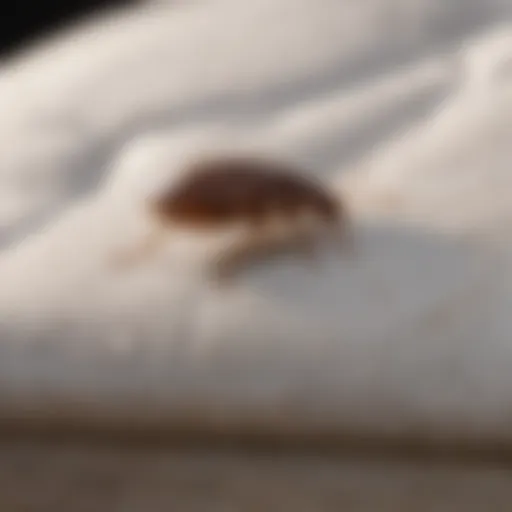
Bed bugs are often viewed as nuisances in hospitality and residential sectors alike. They thrive in host environments and can cause discomfort through their bites. The key characteristic of bed bugs is their incredible capacity to reproduce, leading to a sudden and overwhelming infestation.
What makes them particularly concerning is their resilience to certain pest control methods. Understanding the ideal conditions for bed bugs can help prevent them from setting up camp in your home. Awareness and targeted interventions are critical to keeping your living space bug-free.
Rodents
Rodents like rats and mice are well-known pests that can cause havoc in homes. Their primary characteristic is their ability to reproduce quickly and adapt to various environments. Their gnawing habits can lead to damage of wires, insulation, and even food supplies.
However, mice can also be beneficial for research purposes, often used in scientific studies. The danger lies in the diseases they can transmit. The unique feature of rodents is their rapid population growth; just a few rats can transform into hundreds if left unchecked. Monitoring and maintaining an environment that keeps them at bay is indispensable for homeowners.
Seasonal Pest Variations
Understanding how pests behave during different seasons is vital for effective vermin control.
Summer Increase
The summer months in Pinellas County see a surge in pest activity. Warmer temperatures and increased humidity favor the reproductive cycles of many pests. During this season, homeowners should be particularly vigilant as more pests begin to venture into homes looking for water and food sources.
The unique challenge presented in summer includes not only the increase in pest sightings but also the expanded range of pests. Once again, proper cleanliness can effectively deter entry.
Winter Resilience
Contrary to what one might think, many pests have extraordinary abilities to withstand colder temperatures. Certain species, like roaches, can thrive indoors during winter months when outdoor conditions turn harsh. Therefore, understanding the resilience of summer pests transitioning into winter is critical for year-round pest management strategies.
Employing preventative measures helps in decreasing potential infestations during cooler months.
Rainy Season Impact
The rainy season in Florida can trigger an influx of pests seeking refuge from the downpour. Many pests, particularly mosquitoes and ants, breed abundantly after heavy rainfalls. Awareness of increased pest activity during periods of rain can better equip homeowners against sudden infestations.
By adjusting habits, like draining standing water and maintaining a clean yard, homeowners can limit the likelihood of a pest invasion when the waters rise.
Analyzing Pest Behavior
Understanding pest behavior is a cornerstone of effective pest management. By analyzing how and why pests invade homes, we can develop preventative measures that not only keep them out but also ensure a healthier living environment. The behavior of pests gives us insights into their motivations, whether it be searching for food, warmth, or shelter. In Pinellas County, where the lush landscape invites a variety of pest species, these insights become crucial.
Habitat Preferences
Indoor vs. Outdoor Habitats
Pests exhibit distinct preferences for indoor versus outdoor habitats. Indoor habitats provide warmth, a steady food source, and protection from predators and the elements. On the other hand, outdoor habitats allow for natural behavior like nesting in soil or foliage, feeding on plants, and thriving in ecological systems. This key characteristic of choosing between environments directly relates to pest management.
For instance, ants and cockroaches often seek the comforts of indoor areas, especially during the colder months. The advantage here is that by identifying the favorite spots where pests are likely to settle—like kitchen corners or underneath sinks—homeowners can effectively block access. However, an outdoor habitat might be more advantageous for certain pests, like termites, especially when they have access to wooden structures near the ground, presenting a challenge for homeowners to curb infestation at the source.
Attraction to Food and Shelter
The attraction to food and shelter is perhaps the biggest draw for pests looking to invade a home. Pests such as rodents and insects have a keen sense for detecting food sources. Food remnants not disposed of correctly or unsealed containers can turn a kitchen into an all-you-can-eat buffet for hungry insects. Similarly, shelter within wall cracks or under floorboards provides a safe haven for these pests. This characteristic helps us understand their motivations and makes it crucial for homeowners to eliminate food sources and secure their homes.
The advantage of awareness in this area allows homeowners to implement measures during cleaning routines, like storing food in airtight containers. On the flip side, ignoring this aspect could lead to significant infestations, creating a worsening issue that may require professional intervention.
Life Cycles of Common Pests
Reproductive Patterns
The reproductive patterns of pests, including their capacity to reproduce quickly, shape the success of infestations. In Pinellas County, species such as bed bugs and cockroaches can reproduce in a matter of weeks. This rapid growth means that even a small population can explode into a significant issue if not managed promptly. Understanding these cycles can help homeowners pinpoint the best times for preventative treatments and proactive measures. This unique feature underscores the importance of vigilance and can guide pest management decisions.
One downside, however, is that if infestations are allowed to mature unchecked, the battle can become much more complicated. Timely identification of breeding patterns can save homeowners weary days and expenses in dealing with a full-scale infestation.
Development Stages
The development stages of pests from egg to adulthood dictate how they interact with their environment. This stage varies greatly among common pests. For example, a cockroach can go from an egg to an adult in just a couple of months while termites can spend years developing into segment-specific reproductive forms.
This fact highlights the benefits of knowing the lifecycle characteristics. Certain lifecycle phases are more susceptible to treatments, making it easier for pest control measures to be more effective when targeting vulnerable stages.

However, homeowners must remain alert; if they only focus on adults, the eggs or larvae might be hatching unnoticed and continue the cycle.
The lifecycle understanding is key in combating infestations effectively, as it allows for measures to be anticipated and timed correctly.
By delving into these patterns of behavior, habitat preferences, and developmental stages, our approach to pest control in Pinellas County becomes far more strategic. Homeowners can tailor their efforts, making informed decisions that protect their homes effectively.
Pest Prevention Techniques
Proper pest prevention is a cornerstone of maintaining a pest-free environment, especially in Pinellas County, Florida, where humidity and warmth create ideal conditions for a variety of pests. Implementing preventative measures can save homeowners from the stress and expense of pest infestations. By understanding and applying specific techniques, individuals can be proactive rather than reactive, leading to a healthier living space and reduced reliance on chemical treatments. Moreover, effective prevention not only fortifies homes but also establishes sustainable practices that align with ecological balance.
Home Maintenance Tips
Sealing Entry Points
Sealing entry points is a critical first step in pest prevention. Pests, whether they be ants, rodents, or termites, can find their way into a home through the tiniest of cracks or gaps. The key characteristic of sealing entry points is its simplicity; it involves inspecting every inch of a home for vulnerabilities. Homeowners can use caulk, weatherstripping, or expandable foam to close gaps around doors, windows, pipes, and vents. This not only helps in keeping pests out but also improves energy efficiency.
One unique feature of this method is its cost-effectiveness. Rather than expensive extermination services, sealing entry points virtually eliminates the access routes for many pests. However, it’s important to regularly check these seals, as wear and tear can occur over time.
Maintaining Cleanliness
The habit of maintaining cleanliness can't be overstated when it comes to pest control. A clean home is less inviting to insects and rodents that are constantly on the lookout for food sources. The essential aspect of this technique involves routine cleaning and decluttering. Understandably, pests are attracted to crumbs, spills, and even pet food. Therefore, ensuring that food is stored properly, and surfaces are wiped down can go a long way.
One significant advantage of maintaining cleanliness is the immediate drop in pest attraction—it's like flipping a switch. Although some might argue keeping a spotless home is time-consuming, the benefits of less pest activity outweigh the effort. \n
Landscaping Practices
Choosing Native Plants
Choosing native plants for landscaping is increasingly recognized as an effective pest prevention strategy. Native plants are adapted to local conditions, requiring less water and pesticides, making them low-maintenance and environmentally friendly. The significant characteristic here is that these plants support local ecosystems, providing habitats for beneficial insects that can keep harmful pests in check.
A unique feature of this approach is its aesthetic appeal alongside its functional benefits; native plants often bloom beautifully while serving as natural pest deterrents. However, homeowners should be cautious in selecting plants that draw beneficial wildlife while avoiding those that might attract unwanted pests.
Implementing Natural Barriers
Implementing natural barriers is another effective technique in pest prevention strategies. This can include creating physical barriers such as dense plantings or mulch that can deter pests from entering gardens or yards.
One of the key characteristics of this method is its low ecological impact. These natural barriers can enhance the landscape while concurrently protecting your home without the use of harmful chemicals. However, homeowners should ensure that these barriers do not inadvertently create hiding places for pests or attract them closer to the home.
Eco-Friendly Pest Control Methods
In a world where sustainability and environmental conservation are becoming ever more crucial, the focus on eco-friendly pest control methods holds particular significance. This section dives into how adopting environmentally responsible practices not only benefits the ecosystem but also fosters a healthier living space for homeowners. Utilizing these methods can minimize the use of harmful chemicals, reduce potential health risks to family members and pets, and promote a balanced ecosystem where beneficial organisms can thrive.
Understanding Biological Control
Biological control is an approach that leverages nature’s own mechanisms to manage pest populations. This method predominantly includes using natural predators to keep pest numbers in check.
Natural Predators
The concept of natural predators hinges on the idea of ecological balance. For example, ladybugs are voracious eaters of aphids, helping to control their populations without the need for chemical pesticides. This strategy aligns with the declaration that “the best defense is a good offense” — utilizing these predators cuts down on pest infestations proactively.
These predators can be more attractive due to their role in preserving a naturally occurring balance in the environment. However, a crucial consideration is that these predators might not always address all pest issues comprehensively. Depending on the pest and the ecosystem, the effectiveness of natural predators can vary significantly.
Beneficial Insects
Beneficial insects encompass a broader spectrum beyond just predators. This category includes various species that aid in pollination or contribute to soil health, thereby indirectly controlling pest populations. For example, certain parasitic wasps lay their eggs inside pest larvae, leading to the eventual death of these pests while promoting healthy plant growth.
These insects are often a popular choice because they offer a multi-faceted approach to pest management. However, they can sometimes pose a challenge during implementation. Establishing an ecosystem conducive to beneficial insects requires some planning — native plants and organic practices come into play here. Beneficial insects need a suitable habitat to flourish, which means homeowners must adjust their landscaping and gardening habits.
Chemical Safety and Alternatives
With the rise in awareness regarding health and environmental issues, evaluating chemical options has become a critical endeavor for many homeowners. Therefore, understanding the risks and benefits associated with various pest control chemicals is necessary for informed decision-making.
Evaluating Chemical Options
Chemical options remain a common choice for immediate pest management; however, their long-term effects can be concerning. The allure often lies in their quick fixes, leading to immediate results.
Given the possible consequences on human health and the environment, a careful evaluation of these chemicals is warranted. One potential pitfall of chemical usage is their propensity to erode beneficial insect populations while eliminating targeted pests. This creates a cyclical problem, where more chemicals are needed over time — creating a vicious cycle.
Plant-Based Solutions
Plant-based solutions are on the rise as a promising alternative to traditional chemical pesticides. Many plant extracts, such as neem oil or peppermint oil, are recognized for their pest-repellent properties. They exploit natural compounds to create an effective deterrent without the side effects associated with synthetic chemicals.
The main advantage lies in their safer profile for both humans and pets, and they often break down faster in the environment. Yet, a notable drawback is that they may not always deliver instantaneous results like their chemical counterparts. Instead, they require a consistent application over time to yield effective results.
Incorporating green practices into pest control isn’t just an option anymore; it’s a necessity. By understanding the fundamentals of eco-friendly pest control techniques, homeowners in Pinellas County can protect their properties while preserving the delicate balance of their local ecosystem.
Professional Pest Management Services
When it comes to the age-old battle against pests, professional management services often act as a knight in shining armor, especially in the unique climate of Pinellas County. Homeowners are faced with the daunting task of not just identifying their pest problems but also deciding when to call in the professionals. This decision is paramount.

When to Hire a Professional
Homeowners should consider enlisting the help of professional pest control services when faced with persistent infestations that seem stubbornly resistant to DIY treatments. If you've had a run-in with a troublesome family of cockroaches or an uninvited colony of ants, and your attempts to handle the situation have led to only short-term relief, it’s high time to call an expert.
Another crucial sign that professional intervention is necessary arises when safety concerns come into play. Some pests carry health risks—think about the diseases associated with rodents or mosquitoes. In such cases, it’s not just about getting rid of the pests; it’s about protecting your family’s health and well-being. Moreover, the sheer complexity of certain pest problems can be overwhelming. For instance, termite infestations can go unnoticed for years, causing significant structural damage before finally being detected. Enlisting professionals allows you to address these hidden threats before they escalate.
Choosing the Right Pest Control Company
Selecting an appropriate pest control company is akin to finding your go-to doctor; you want someone equipped with the right tools for the job. The factors to consider go beyond basic services offered. They include legal aspects such as civil licensing and certifications.
Civil Licensing and Certifications
Navigating the realm of pest control services in Pinellas County, civil licensing and certifications emerge as fundamental aspects that form a robust foundation for any legitimate pest management company. These licenses serve as a clear indicator of a company’s adherence to both state regulations and safety protocols. In Florida, pest control operators must possess a valid license issued by the Florida Department of Agriculture and Consumer Services, ensuring they are equipped with the knowledge required to handle and execute pest control measures responsibly.
Having this particular certification not only demonstrates compliance with legal standards but also establishes credibility with potential clients. For homeowners, hiring a licensed pest control service provides reassurance that technicians have undergone thorough background checks and are knowledgeable about the nuances of various pests and effective extermination methods.
While it may be tempting to opt for services without proper licensure to save some bucks, the long-term cost of ineffective pest control can outweigh any short-term benefits. Therefore, always ensure that any pest control company you consider can produce the necessary credentials when asked.
Customer Reviews and Reputation
One can't underestimate the significance of customer reviews and reputation in the realm of pest management services. It’s a powerful tool for prospective clients. In an era where personal experiences shape decision-making, reading reviews and testimonials can offer an unvarnished look at a company's effectiveness and customer service.
A company with a stellar reputation often has a long-standing history of happy clients, which often translates into trustworthiness. Positive reviews usually highlight not just the effectiveness of the pest control treatment but also the professionalism and friendliness of the staff. On the flip side, a company with many negative reviews can signal potential red flags regarding their services.
Furthermore, word-of-mouth referrals remain a solid resource; if a neighbor or friend shares a positive experience, it holds considerable weight.
Before making a final decision, be sure to dive into platforms like Yelp or Angie’s List, where homeowners share their honest opinions about various pest control companies, offering invaluable insights that you might not come across elsewhere. Engaging with these resources can help ensure you’re making an informed choice that aligns with your specific pest control needs.
"Choosing a pest control service is not just a transaction; it’s a partnership in safeguarding your home from unwanted intruders."
Regulations and Guidelines for Pest Control
Understanding regulations and guidelines surrounding pest control is vital in Pinellas County, given the unique environmental conditions and the variety of pests prevalent in the area. These laws not only protect public health but also safeguard the local ecosystem. The right framework ensures that pest control methods are executed responsibly and effectively, minimizing negative consequences.
Local Laws and Protocols
Statewide Legislation
In Florida, the statewide legislation for pest control is comprehensive, laying down guidelines that pest control companies and homeowners must adhere to. One of the main features of this legislation is the requirement for licensed pest control operators to conduct inspections and apply treatments. This is crucial, as it helps ensure that pest control efforts are based on reliable knowledge and proper techniques, contributing to the overall health of local communities.
Moreover, one key characteristic of the legislation is its emphasize on safety - it mandates the use of products that have been thoroughly evaluated for their impact on human health and the environment. This makes the regulation particularly beneficial for homeowners who want peace of mind while dealing with pests. One unique aspect is how it requires ongoing education for pest control professionals, helping them stay updated on the latest methods and products.
While there are many advantages to this statewide legislation, it can also present challenges. Some homeowners may find the regulations cumbersome or complicated to navigate, especially if they are unfamiliar with pest control processes. However, the overarching benefit is clear: a regulated pest control environment means better practices and safer homes.
City-Specific Regulations
Pinellas County also has city-specific regulations tailored to address the local context. These regulations often focus on particular pest issues prevalent in urban areas, such as the management of vector species like mosquitoes and rodents. A noteworthy characteristic here is the allowance for local municipalities to adopt additional rules that better reflect their unique situations.
For instance, St. Petersburg’s emphasis on integrated pest management (IPM) strategies has shown to be a popular and effective choice. This specific approach utilizes a combination of biological, cultural, and chemical measures to keep pests in check while reducing chemical dependency.
On the downside, the variety of regulations can confuse homeowners, particularly those who move or travel between different areas. While this complexity can be a barrier, the benefit of having tailored regulations is significant—local councils can address specific problems more effectively and foster safer neighborhoods for all residents.
Environmental Considerations
Impact Assessments
Impact assessments play an integral role in pest control regulations in Florida. By evaluating the potential effects of pest management activities on the environment, these assessments help ensure that pest control methods do not lead to detrimental outcomes, such as harming non-target species or contaminating water sources.
The unique capability of these assessments allows stakeholders to adopt a precautionary approach. This feature is particularly valuable in protecting Florida’s delicate ecosystems, including wetlands and waterways that host diverse wildlife. It promotes the safe use of pest control measures, balancing the necessity of pest management against potential environmental threats.
While impact assessments are beneficial for promoting responsible practices, they also require time and resources to complete. This can sometimes delay action on pest issues, demanding patience from residents, but the long-term gain in safeguarding the environment outweighs these short-term challenges.
Sustainability Initiatives
As for sustainability initiatives, Pinellas County has embraced a strong focus on ecologically sound pest control practices. By promoting integrated pest management and encouraging the use of non-toxic alternatives, regulations support the sustainability of local ecosystems. A standout feature is the encouragement of community education programs that inform residents about eco-friendly pest control techniques.
These initiatives not only benefit the environment but also enhance community involvement. Homeowners empowered with knowledge about sustainable practices are more likely to contribute actively to pest management efforts in their neighborhoods.
Despite the advantages, the implementation of sustainability initiatives often requires an initial investment of time and capital. Some homeowners may find the transition to more sustainable methods daunting, particularly if they have been accustomed to traditional pest control approaches. However, the long-term effects of adopting these practices are indeed worthwhile, leading to healthier living spaces and a more balanced ecosystem.
By understanding and adopting these regulations, communities can foster not only improved pest management but an overall healthier living environment for all residents.
Finale
In wrapping up this detailed exploration of pest control in Pinellas County, it becomes evident that understanding the local pest landscape is critical for effective management. As we've seen, the region’s unique climate and environment play a significant role in determining which pests are prevalent and when they are most active.
Homeowners and residents must recognize the nuances between different types of pests. For instance, while summer might see a rise in ant and roach activity, the cooler months allow for rodents to enter homes seeking warmth and shelter.
The importance of pest control strategies cannot be overstated. These measures not only foster a comfortable living environment but also protect the structural integrity of homes. Considering methods that prioritize sustainability ensures a healthier ecosystem. The trend towards eco-friendly pest control practices, like employing beneficial insects or utilizing natural repellents, showcases a growing awareness of environmental impacts.
Key Considerations:
- Regular monitoring and preventative measures can prevent infestations before they start.
- Knowledge of local regulations and responsible pest management must be integrated into any pest control strategy.
- Hiring professional services can be beneficial for severe infestations, ensuring experts utilize the latest techniques and technologies.
"Effective pest management is a fine balance of knowledge, techniques, and respect for the local ecology."
By integrating insights from our previous discussions, including the life cycles of pests and seasonal variations, homeowners can make informed choices that not only resolve immediate issues but also mitigate future concerns. This holistic approach ensures that both residential spaces and the local environment are preserved and cared for.