Pest Control Strategies for Neptune, NJ Homeowners


Intro
In the realm of homeownership, few battles are as vexing and relentless as the one against pests. In Neptune, NJ, where climate and geography sometimes align to create the perfect storm for various invasive species, it's vital for homeowners to grasp the realities of pest control. This comprehensive guide is designed to arm you with knowledge, helping you navigate through the murky waters of pest management, bringing clarity to a topic that can often feel overwhelmingly complex.
Whether you are a seasoned homeowner or a newcomer to the area, understanding which pests might invade your space, how to thwart their advances, and the friendly eco-solutions at your disposal will bolster your efforts to maintain a harmonious home environment. From destructive termites to the ever-persistent ants, awareness and proactive steps represent your best defense against unwanted visitors. The following sections aim to elucidate the murky dynamics of pest control in Neptune, offering insights pulled from professionals and personal experiences alike. Buckle up as we embark on this pest control journey!
Identification of Common Pests
Identifying the pests that plague your property is the first step toward effective control. Neptune's humid climate creates a welcoming environment for an array of troublesome creatures.
Description of Common Pests
Residents often encounter a spectrum of pests. For instance, you might find:
- Ants: These social insects become more bothersome in summer, often forming long trails to food sources.
- Termites: Known as silent destroyers, they feast on wood, potentially compromising the integrity of your home.
- Rodents: Mice and rats not only create unwelcome surprises but also pose significant health risks.
- Cockroaches: These resilient critters can survive almost anything and are often a sign of deeper issues.
This is just the tip of the iceberg, as the local ecosystem occasionally attracts more unusual offenders. However, knowing what to look for makes dealing with them manageable.
Signs of Infestation
Keeping an eye out for the signs of infestations is crucial. Watch for droppings, gnawed materials, and nests in hidden spaces. A sudden increase in sightings, the smell of something unpleasant, or holes in food packaging should send alarm bells ringing. Remember, timely intervention can stop a small problem from spiraling into a full-blown invasion.
Prevention Techniques
Once you've identified potential threats, the next step is to cultivate a fortress around your home.
Home Maintenance Tips
Implementing consistent maintenance routines can significantly diminish your chances of infestation:
- Seal Cracks and Gaps: Pests are crafty, and small crevices can be their entryways. Ensure that windows, doors, and foundations are sealed tight.
- Keep a Clean Kitchen: Regular cleaning practices, such as wiping down surfaces and properly storing food, can discourage many pests.
- Manage Waste: Garbage bins should be covered, and compost should be tended to regularly rather than left out in the open.
Environmental Modifications
Your yard too can invite pest problems. Controlling your outdoor environment can help:
- Remove Standing Water: This can be breading grounds for mosquitoes.
- Maintain Your Garden: Overgrown bushes and unkempt flower beds might provide harborage for rodents and insects.
- Use Decorative Barriers: Certain plants can act as natural repellent against some pests and add beauty to your home.
Eco-Friendly Pest Control Options
If you're worried about the environmental footprint of harsh chemicals, there are plenty of greener alternatives to consider.
Natural Pesticides
Using substances found in nature can be a sustainable way to fend off pests. For instance:
- Diatomaceous Earth: This powdery substance can be effective against various crawling insects when sprinkled in their pathways.
- Essential Oils: Sprays made from peppermint or tea tree oil can repel many pests with their strong smells.
Organic Pest Control Techniques
Adopting methods that harness nature’s own tools can be beneficial:
- Beneficial Insects: Ladybugs and certain predatory wasps can keep pest populations in check.
- Traps and Barriers: Using traps like sticky boards or physical barriers can provide pest control without chemicals.
In a county like Monmouth, where the ecosystem is rich and diverse, employing eco-friendly tactics not only protects the environment but also promotes a healthy living space.
To keep pests at bay, remember: prevention is the name of the game. A proactive approach is far more effective than a retroactive response.
Understanding the ins and outs of pest control in Neptune can feel like trying to solve a Rubik's Cube blindfolded, but with the right tools and knowledge, you can keep your property safe and sound.
For further information, check resources such as New Jersey Department of Agriculture or visit more local forums on Reddit for community experiences.
Foreword to Pest Control
Pest control is a critical aspect of maintaining health and safety in any environment, particularly in residential areas like Neptune, NJ. When pests invade a home or business, they pose risks that extend beyond mere annoyance. They can damage property, spread disease, and disturb the peace of everyday life. As such, understanding pest control is essential for property owners who wish to protect their investments and ensure a safe living space for their families.
Understanding the Importance of Pest Control
Effective pest control starts with grasping its significance. It is not just about extermination; it's about sustainability and long-term solutions.
- Preventing Health Risks: Pests are known carriers of various diseases. For instance, rodents are notorious for spreading hantavirus and salmonella, while insects like mosquitoes can transmit West Nile Virus. Implementing pest control reduces these health risks, safeguarding residents’ well-being.
- Protecting Property: Whether it's termites compromising structural integrity or ants invading pantries, pests can cause serious damage. Regular pest management helps in maintaining property value and avoiding costly repairs that come from extensive infestations.
- Peace of Mind: Living in a pest-free environment contributes greatly to overall comfort. Knowing that there are measures in place to deter pests can provide homeowners with peace of mind, allowing them to focus on enjoying their home.
- Environmental Considerations: Pest control also intersects with eco-friendliness. Incorrect pest management practices can lead to environmental damage. Thus, adopting proper methods ensures that we balance pest control with ecological responsibility.
Overview of Common Pests in Neptune, NJ


In Neptune, NJ, homeowners encounter a variety of pests unique to the area. Understanding these common nuisances will help in devising appropriate prevention and control strategies. Here’s a closer look at some of the most prevalent pests:
- Rodents: Mice and rats are frequent visitors, especially in colder months. They seek warmth and food, making homes an attractive place.
- Ants: Various species of ants roam the area, with carpenter ants being particularly damaging due to their tunneling habits in wooden structures.
- Cockroaches: These critters thrive in warm, humid conditions and are also known for spreading illnesses.
- Termites: Often dubbed "silent destroyers," they feast on wood and can compromise the foundation of any building.
- Mosquitoes and Ticks: As the weather warms, these pests emerge, creating discomfort for residents and posing health risks.
Understanding the landscape of pests prevalent in Neptune sets the foundation for effective pest management strategies. By recognizing these threats, property owners can take necessary actions to mitigate risks and foster a more holistic approach to maintaining a pest-free environment.
Types of Common Pests in Neptune
Understanding the types of pests prevalent in Neptune is crucial for any property owner aiming to maintain a safe and healthy living environment. By recognizing these pests, homeowners can take proactive measures to prevent infestations, mitigating potential hazards and property damage.
Identifying Rodents
Rodents are often at the top of the list when it comes to pest concerns in Neptune. Their ability to reproduce rapidly and the damage they can cause makes it essential to know how to identify them.
Rats
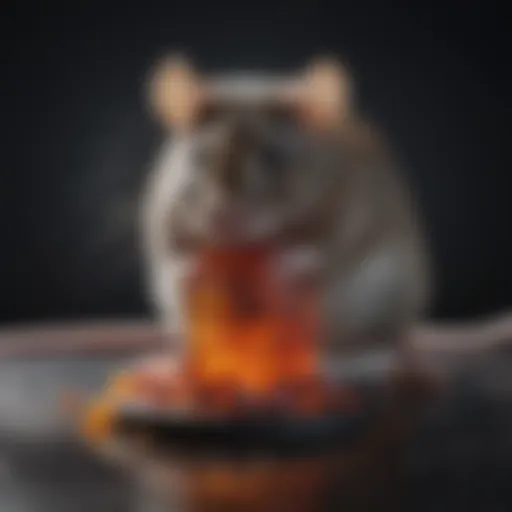
Rats can be a significant issue in both urban and suburban areas. These critters are usually larger than their counterpart mice, with a body length of up to 18 inches, excluding their tails. A notable characteristic is their long, scaly tails and sharp incisors, which never cease growing, compelling them to gnaw on materials to keep them trimmed.
"Rats can cause more than just annoyance; they can damage property and spread diseases."
They don't just inhabit homes; attics and basements are often their cozy spots. Their presence often signals a larger problem lurking in your vicinity. One major disadvantage of having rats around is that they can be vectors for serious diseases like leptospirosis and hantavirus, posing a threat to household health.
Mice
Mice, while smaller, shouldn't be taken lightly. Their nimble bodies allow them to squeeze through remarkably tight spaces. The common house mouse is typically about 3 to 4 inches long, excluding the tail, which can also be quite long.
The secretive nature of these little pests can make them hard to spot until you see droppings or hear them scurrying. Mice can reproduce quickly, too, so if you see one, chances are there are many more hiding nearby. An important consideration is that while they are less dangerous than rats, they can still transmit pathogens through their waste and can cause damage to wiring and insulation in your home.
Common Insects
Insects play a different but equally troubling role in pest control. Predominantly, ants, cockroaches, and termites invade living spaces, and each poses distinct threats and challenges.
Ants
Ants are a common nuisance and can be surprisingly difficult to eliminate once they set up shop. They are social insects that form colonies and can number in the thousands. The ability to communicate and forage for food makes them particularly resourceful.
A key characteristic of ants is their pheromone trails, which they use to guide fellow workers to food sources. While they are not necessarily harmful, their presence indicates other issues. They can contaminate food supplies, and certain species like fire ants can deliver painful stings.
Roaches
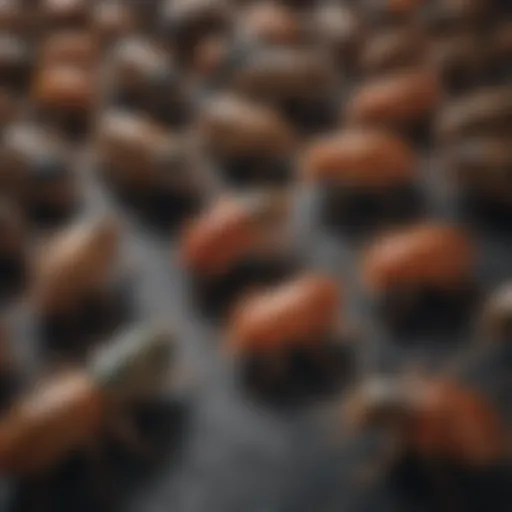
Cockroaches are notorious for being one of the dirtiest pests in many homes. They thrive in warm, damp environments, making kitchens and bathrooms prime real estate. Their flattened bodies allow them to hide in small crevices, making detection difficult.
Important to note is that cockroaches can trigger asthma and allergy symptoms in sensitive individuals due to their shed skin and droppings. Moreover, their rapid breeding can escalate an infestation before you know it, turning a minor annoyance into a severe problem.
Termites
Termites could be the silent destroyers of homes, undermining structural integrity without any visible signs until it becomes too late. They feed on cellulose found in wood, which is a primary material in most constructions. Their colonies can eat through wooden structures at an alarming rate.
What sets them apart is their social structure; they operate in colonies with roles divided among workers, soldiers, and reproductives. Effective treatments are often needed to stave off potential damage, so it's critical to know the signs of an infestation early on.
Seasonal Pests
Seasons in Neptune bring with them distinct pests that homeowners need to be aware of, particularly ticks and mosquitoes. Understanding these seasonal challenges can help inform appropriate prevention strategies.
Ticks
Ticks are often most active during the warmer months, particularly in areas with tall grass or wooded environments. They are small, blood-sucking arachnids that can transmit serious diseases like Lyme disease and Rocky Mountain spotted fever.
The difficulty in detecting ticks lies in their size; they are often smaller than a pencil eraser. Their unique feature to latch onto hosts makes them elusive, and often, their presence isn’t noted until a bite occurs. Proper tick prevention strategies are crucial for families that enjoy outdoor activities.
Mosquitoes
Mosquitoes are perhaps the most recognized seasonal pest, making their presence known during the hot and humid summer months. Their ability to reproduce in stagnant water makes any puddle or container a potential breeding ground.
They are not just a nuisance; like ticks, mosquitoes can transmit diseases such as West Nile virus and Zika. Being aware of their behavior and knowing how to control standing water can aid immensely in reducing their population around your home.
Pest Control Methods
In the ever-evolving world of pest management, understanding the various methods available is paramount for effectively safeguarding your home and property. A multifaceted approach can often yield better results than sticking solely to one strategy. Different pests require different solutions; as the saying goes, "don’t put all your eggs in one basket." Having a toolkit of methods not only helps in tackling current infestations but also in preventing future issues. Keeping your home pest-free is an ongoing battle that necessitates not only active intervention but also a well-thought-out plan.
Prevention Techniques
Sealing Entry Points


One of the cornerstones of effective pest control is the practice of sealing entry points. This technique is about identifying and blocking pathways that pests use to enter your home. Rodents and insects are crafty; they can squeeze through surprisingly small gaps. A small crack in a wall or around windows may look insignificant, yet it can be an open invitation for pests. Sealing these points can reduce the likelihood of infestations dramatically.
The fantastic thing about sealing entry points is that it's a proactive measure. Once these gaps are filled, pests are deterred from entering the premises. Maintenance is generally easy, but it’s important to periodically check for new entry opportunities, as weathering can wear down seals and open up new access points for pests over time.
Proper Waste Management
Another critical aspect of pest control is proper waste management. This tactic focuses on how you handle garbage and other potential food sources. It might sound simple, but if waste is not stored correctly, it can lead to pest problems very quickly. Rodents like rats and mice are especially attracted to readily available food, and tossing leftover scraps in a bin without a lid? That’s like laying out a welcome mat for them.
Using airtight containers for food storage can be a game changer, making it harder for pests to get into your pantry. Also, regular cleaning of kitchens and dining areas eliminates crumbs that may attract unwanted guests. While this may seem basic, many homeowners overlook these essential steps, causing more significant problems down the line.
Eco-Friendly Approaches
Natural Repellents
As the world becomes more environmentally aware, many individuals are leaning toward natural repellents for pest control. These are substances derived from plants, essential oils, or other natural sources designed to deter pests without using harsh chemicals. Common examples include peppermint oil for mice and vinegar for various insects. Their appeal lies in their ability to repel pests while being friendly to the environment and human health.
While many natural repellents can be effective, their duration of action might not match that of chemical solutions. Homeowners may need to reapply them more frequently, especially in outdoor settings. This consideration is essential for individuals weighing their options between convenience and eco-consciousness.
Organic Treatments
Organic treatments broaden the horizon of eco-friendly pest control. These methods utilize substances that are not artificially manufactured, focusing instead on naturally occurring ingredients. Organic pesticides, for instance, often break down more quickly in the environment and pose lower risks to non-target species, making them safer for pets and children.
However, it’s worth noting that organic treatments might not always be as powerful against stubborn infestations as synthetic chemicals. Homeowners might find that they need to combine these treatments with other pest control methods to achieve thorough results. The balance between effectiveness and safety is crucial here, and it merits careful thought when devising a pest management plan.
Professional Services
Assessments and Inspections
Professional services in pest control start typically with thorough assessments and inspections. This step is fundamental in creating a tailored pest management approach. Expert technicians can identify hidden infestations and potential problem areas that could be overlooked by a layperson.
The beauty of expert assessments lies in their comprehensive nature—professionals are trained to spot signs of pests, regardless of how subtle they may be. This proactive measure can save homeowners a great deal of time and money by nipping potential infestations in the bud before they escalate into serious issues.
Final Solutions
Once assessments are complete, moving onto final solutions is the next step. This segment involves implementing the control methods that best fit the severity of the infestation and type of pest involved. Professionals can devise a strategy that includes everything from eco-friendly treatments to traditional pesticides, depending on client needs and preferences.
The unique advantage of engaging professionals at this stage is their expertise in selecting the most appropriate solutions based on specific pest behaviors. This precision can make all the difference in resolving an infestation effectively and efficiently. However, it is important for homeowners to remain engaged throughout the process, as understanding the chosen methods enhances the likelihood of long-lasting results.
Choosing the right pest control method is not just a matter of preference; it’s about protecting your home and health.
Regulatory Considerations
Understanding regulatory considerations in pest control is essential for both property owners and pest management professionals in Neptune, New Jersey. These regulations provide a framework that ensures effective pest management while prioritizing safety for residents, pets, and the surrounding environment. By adhering to local laws and guidelines, homeowners are protecting not only their properties but also public health. This section will explore specific local laws and the licensing requirements for pest control professionals.
Local Laws and Regulations
Local laws concerning pest control in Neptune focus on procedures aimed at preventing infestations and ensuring responsible usage of pesticides. One notable regulation mandates that all pesticide applications must align with the guidelines provided by the United States Environmental Protection Agency (USEPA). Compliance reduces the risk of harmful effects on both the environment and human health.
Furthermore, Neptune’s ordinances emphasize the importance of notification when using certain pest control chemicals. Homeowners must inform neighbors prior to applying specific types of pesticides that have stricter regulations. This initiative helps to foster community safety and awareness regarding pest control practices and potential health risks.
Additionally, residential properties must pass periodic inspections to ensure that any pest control measures in place do not pose health risks.
Here are a few more notable local laws:
- Usage limitations on specific pesticides: Certain products may be banned or restricted based on toxicity levels.
- Reporting infestations: Residents are required to report significant infestations to local health departments, facilitating timely intervention.
- Mandatory documentation for pest control services: Professionals need to maintain clear records of treatments conducted, ensuring transparency and accountability.
These regulations not only guide residents on managing pests but also push for community health and environmental sustainability.
Licensing Requirements for Professionals
Navigating the pest control landscape in Neptune requires understanding the licensing requirements for professionals in this field. The state of New Jersey mandates that pest control operators possess a valid license to perform their duties legally. This requirement was designed to ensure that only knowledgeable and well-trained individuals handle potentially hazardous substances, such as pesticides.
Licenses are typically granted after professionals pass a series of exams focused on pest identification, treatment methods, and environmental impacts. This process helps verify that they are familiar with local regulations and safety protocols. Additionally, many states, including New Jersey, require ongoing education to maintain licensure, ensuring pest control operators stay updated on the latest practices and legislative changes.
Key points concerning licensing include:
- Types of licenses: Operators may need specific licenses depending on the pest control services they offer, whether it’s for residential or agricultural pest control.
- Renewal of licenses: Regular renewal is typically required, which might include demonstrating continued education or training.
- Insurance requirements: Many local regulations necessitate pest control businesses to carry liability insurance, providing financial protection for both the contractor and their clients.
By ensuring that pest control professionals possess valid licenses, Neptune enhances the safety and effectiveness of pest management practices in the community. This regulatory framework serves to protect homeowners and fosters a cooperative relationship between residents and pest control experts.
Challenges in Pest Control
Pest control isn’t simply a matter of spraying some chemicals and calling it a day. It’s about navigating a landscape filled with challenges that can perplex even the most seasoned property owners. In Neptune, NJ, where humidity and seasonal shifts create ideal incubators for pests, understanding these hurdles becomes crucial for effective management.


One significant challenge lies in resistance to treatments. Pests are crafty little creatures; over time, they develop resistance to various chemicals that once worked wonders. This adaptation can lead homeowners to increase dosages or switch to harsher alternatives, potentially endangering themselves and the environment. The implications of resistant pests send ripples through local communities, compelling property owners to rethink their strategies.
Resistance to Treatments
Resistance plays a game of cat and mouse with pest control efforts. In Neptune, you might find that what was once an effective means of controlling an infestation becomes increasingly futile against the same critters. For instance, many ant species and cockroaches have shown the ability to withstand specific insecticides after mere generations of exposure.
- Why does this happen? Pest populations reproduce quickly, and rather than getting rid of them, their tougher relatives often survive, passing along their resilient traits.
- What can be done? Homeowners should be proactive and integrate integrated pest management (IPM) principles. This could mean rotating between different baits and traps to prevent pests from getting savvy to just one approach.
One strategy could be the use of previously ineffective products, giving trial run to methods usually overlooked during pest control, as new formulations come around that manage to tackle resistance effectively.
Thinking outside the box sometimes leads to surprising results. For instance, using natural predators—like ladybugs for aphids or nematodes for grubs—can alter the equation entirely in favor of the one wielding the spade.
Environmental Impact
Another daunting challenge is the environmental impact of pest control methods. With an upsurge in eco-conscious living, many homeowners are worried about how their pest management tactics can affect not just their families but the local ecosystem as well.
Excessive use of chemical pesticides can run off into local waterways, causing disruptions in aquatic life. In Neptune, where proximity to the ocean is a given, it’s critical to maintain a balance between effective pest control and environmental health.
When contemplating pest control options, consider the following:
- Use products that are less harmful to beneficial insects.
- Employ targeted sprays that minimize contact with plants and wildlife.
- Explore eco-friendly alternatives—essential oils or diatomaceous earth can be effective without wreaking havoc on nature.
"Managing pests successfully without harming the environment may seem like a balancing act, but it's entirely achievable with thoughtful planning and methods."
As society becomes increasingly aware of the delicate balance that governs our ecosystems, pest control must evolve to meet these expectations. Embracing organic and sustainable treatments aligns with a broader goal of protecting our natural heritage while still keeping one’s home free of unwanted guests.
In summary, the challenges of pest control in Neptune require vigilance and adaptability. Resistance to treatments calls for innovative strategies, while awareness of environmental impacts necessitates a shift towards more sustainable practices. By understanding these issues, homeowners can better navigate their way through the complexities of pest management.
Case Studies and Success Stories
Understanding the practical implications of pest control strategies can be quite enlightening. This section emphasizes the significance of real-world examples, shedding light on how effective pest management can yield pleasing results. By examining case studies and successful interventions, homeowners can glean insights into successful approaches tailored for their specific situations. Learning from others allows you to sidestep common pitfalls and adopt techniques that have proven effective in similar environments.
Effective Pest Control in Homes
In Neptune, NJ, homes can face a range of pest invasions, from the tiny but persistent ant to larger rodents. One striking success story involves a Neptune resident who found that over-the-counter chemical sprays were merely a Band-Aid solution. After experiencing repeated ant invasions, she turned to a specialized local pest control service. The experts conducted a thorough inspection and discovered gaps in the home's foundation, providing a route for these invading pests.
By implementing a combination of sealing entry points and strategically placing bait stations, they effectively eradicated the ant colony.
This method not only tackled the immediate problem but also established a long-term plan to prevent future infestations. Reports indicated a dramatic reduction in pest activity within weeks, transforming a nagging annoyance into a manageable situation.
Houseowners should take note of the importance of not only treatment but also prevention, as illustrated by this homeowner’s experience.
Commercial Pest Management
Commercial establishments are no stranger to pest issues, often dealing with heightened scrutiny due to health regulations. One local restaurant in Neptune faced substantial difficulty with cockroach infestations, which adversely affected their reputation and revenue. Rather than taking short-term measures, the management decided to partner with a pest management expert specializing in the food industry.
The pest control team carried out meticulous inspections, utilizing innovative tech, like heat maps and moisture probes, to identify potential breeding grounds within the establishment.
Once those problem areas were isolated, comprehensive tactics involving sanitation and ongoing monitoring were instituted. The results were not merely about eradicating the pests—it became a full-system overhaul. Within weeks, the restaurant reported a significant drop in pest interaction, winning back customer trust and satisfaction.
Culmination
These success stories illustrate multiple facets of pest control; from individual homes to businesses, the steps taken were specific, strategic, and diligent. They serve as a reminder that pest management is not just about reacting to pest presence but also about foresight, preparation, and commitment to a pest-free environment. By taking cues from these experiences, residents and business owners in Neptune can cultivate their proactive pest management strategies effectively.
Epilogue
In wrapping up our exploration of pest control in Neptune, New Jersey, it’s crucial to stress the importance of understanding the multidimensional aspects of this topic. Pest management is not merely about eradication; it involves a strategic approach aimed at creating a safe and healthy environment, not just for families but for the community as a whole. The insights provided throughout this article are invaluable for homeowners and renters in navigating the sometimes murky waters of pest issues.
Proactive measures stand as a key pillar in effective pest management. By implementing best practices—like sealing entry points and engaging in proper waste management—owners can greatly minimize pest incursions. Not only do these strategies tackle immediate threats, but they also contribute to long-term prevention. This approach saves from costly and uncomfortable infestations down the line, granting peace of mind to residents.
Moreover, considering eco-friendly pest control methods is gaining traction. The increasing awareness regarding environmental sustainability demands that pest control professionals carefully select their methods and materials. Homeowners can embrace natural repellents and organic treatments, thus not only addressing pest problems but also fostering a safer living condition for themselves and their loved ones.
In summation, pest control in Neptune is more than a mere task on a to-do list; it reflects a commitment to health and well-being. The journey towards a pest-free environment is ongoing and requires engagement from both property owners and professionals. As you enhance your knowledge and employ these strategies, you are contributing to a broader community effort to ensure that Neptune remains a place where families can thrive, unhindered by the nuisances of pests.
"Prevention is better than cure."
Adhering to these practices not only alleviates current issues but mitigates future challenges. As we step into the evolving landscape of pest control, keep a keen eye on further developments and innovations that promise to make pest management more accessible and efficient.
Recap of Best Practices
- Seal entry points to prevent pests from gaining access to your home.
- Maintain cleanliness by managing waste effectively.
- Choose eco-friendly treatments whenever possible.
- Regularly inspect your property for signs of pest activity.
- Engage with professionals for assessments and inspections.
Future Trends in Pest Control
The future of pest control appears increasingly sophisticated as technology advances. Here are trends to watch:
- Smart Pest Monitoring: Devices that can detect pests and send alerts to property owners in real-time are emerging.
- Biological Pest Control: Utilizing natural predators to manage pest populations is garnering attention and may lead to more sustainable practices.
- Data-Driven Strategies: Leveraging data analytics to track pest patterns will become common, helping to predict and mitigate infestations before they occur.
- Consumer Education: As awareness grows, more resources and training will be made available to equip homeowners with knowledge about proactive pest management.
Taking these trends into account can vastly improve pest control strategies and outcomes, suiting today’s eco-conscious and tech-savvy populations.