Expert Guide to Pest Control in Estes Park


Intro
Pest control is an issue that resonates with many in the picturesque town of Estes Park. Nestled among the Rocky Mountains, the area’s natural beauty attracts not only tourists but also a variety of unwelcome pests. The discussion surrounding pest control isn't just about the unpleasant nuisances; it's deeply intertwined with maintaining the integrity and comfort of homes. As such, it’s crucial to equip oneself with knowledge about common pests, effective management strategies, and eco-friendly practices. Understanding these elements empowers residents to protect their homes effectively and sustainably.
Identification of Common Pests
Description of Common Pests
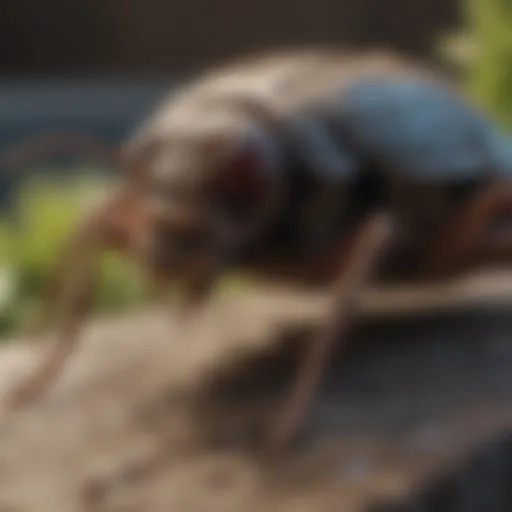
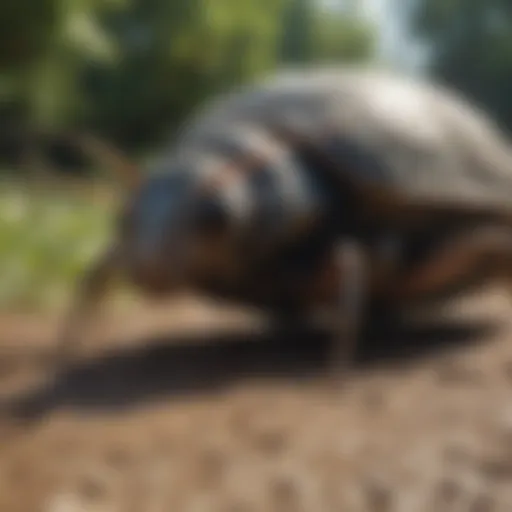
Amongst the stunning landscapes of Estes Park, certain vermin tend to make their presence known. Common culprits include ants, spiders, rodents, and bed bugs.
- Ants: Many homeowners face carpenter ants, known for nesting within wood, often causing structural damage over time.
- Spiders: Local breeds, particularly the black widow and brown recluse, can pose a risk. Their bites can lead to serious health concerns, making identification key for safety.
- Rodents: Species like mice and rats can invade homes, often seeking food and warmth, leading to contamination and damage.
- Bed Bugs: These small, pesky insects hitch rides on luggage or clothing, resulting in unfortunate infestations that can disrupt daily living.
Signs of Infestation
Identifying an infestation early can be the difference between a simple fix and a painful problem. Be on the lookout for the following signs:
- Droppings: Small black pellets in drawers or along walls may indicate rodent presence, while ants leave behind tiny grains around their entry points.
- Nesting Materials: Shredded paper, fabric, or other debris can signal nesting activity, especially for rodents.
- Bites and Itching: Red, itchy welts on the skin may indicate bed bugs; this calls for immediate action to curb growth.
- Webs: Unusual spider webs in corner spaces could signal that spiders are making themselves at home.
Prevention Techniques
Home Maintenance Tips
Preventing pests from taking over starts with diligent home maintenance. Simple changes can make a world of difference:
- Ensure all windows and doors have tight-fitting screens to keep critters outside.
- Regularly check for leaks and damp areas that can attract pests.
- Seal cracks and crevices in walls, the foundation, and around pipes to deter entry points.
Environmental Modifications
The environment around your home can significantly impact pest behavior. Consider these modifications:
- Keep gardens tidy by removing debris and fallen fruits that attract pests.
- Eliminate standing water, as mosquitoes and other insects thrive in such conditions.
- Plant pest-repellent vegetation, such as marigolds or lavender, to deter common nuisances.
Eco-Friendly Pest Control Options
Natural Pesticides
For those conscious about the environment, using natural pesticides can be a viable alternative. Ingredients such as:
- Diatomaceous Earth: This powder can kill ants, cockroaches, and bed bugs on contact without harming the environment.
- Essential Oils: Oils from peppermint and tea tree can repel insects naturally and leave a pleasant scent.
Organic Pest Control Techniques
Staying green while addressing pest issues doesn’t have to be complicated. Here are some organic methods:
- Traps: Utilizing homemade traps for rodents with simple ingredients like peanut butter can effectively control populations.
- Boric Acid: Mixing this with sugar can lure and kill roaches, a recommended solution for eco-friendliness.
Maintaining a pest-free home is not just about reacting to infestations; it’s about proactive management and understanding one’s environment.
Understanding the Pest Control Landscape in Estes Park
Pest control is not just a chore; it’s a vital aspect of maintaining the wellbeing of both residential and commercial spaces in Estes Park. Understanding the local pest control landscape allows homeowners to better prepare and respond to the numerous challenges pests present. From rodents to undesirable wildlife, it’s essential to grasp the full spectrum of this issue.
Prelims to Pests in Estes Park
Estes Park, with its picturesque scenery and rugged charm, is also home to various pests that can disrupt the creative peace of any homeowner. Mice scurrying in the corners, ants invading the pantry, or even the sight of a raccoon rummaging through trash cans can cause alarm. The elevation and unique climate of the region create a perfect breeding ground for these creatures. Each season presents its own set of challenges; for instance, the warmer months bring mosquitoes buzzing around, while the winter could mean an uptick in rodents seeking warmth inside our homes.
According to local reports and studies from resources like Colorado State University, pests often emerge as a consequence of ecological changes and human activities. Getting familiar with the local pests and their habits lays the groundwork for effective management. Homeowners need to keep their ears to the ground regarding which pests are prevalent during specific seasons.
The Importance of Pest Control
Why bother with pest control? The answer is simple but significant—pests can cause serious damage and pose health risks. They may not just nibble on your favorite snacks but can also contribute to significant property damage and health issues like allergies or contamination. Households with pets or kids are especially vulnerable, as some pests carry diseases that can affect everyone in the household.
"An ounce of prevention is worth a pound of cure." This old saying rings particularly true in pest management. Proactive pest control measures can save money and stress in the long run. Taking the initiative to educate oneself about these nuisances helps lay a sound foundation for developing effective treatment strategies and preventive measures. Homeowners should immerse themselves in understanding their living environment, ensuring they are equipped with knowledge on how to respond to an infestation before it spirals out of control.


In summary, navigating the intricacies of pest control in Estes Park is more than just remedying a problem; it’s about fostering a healthy living space. Knowing what pests to expect and recognizing the importance of pest management can lead to a safer and calmer home environment.
Identifying Common Pests in Estes Park
Understanding the range of pests that frequently invade homes in Estes Park is crucial for homeowners and renters alike. By being aware of which pests are common in the area, residents can act preemptively and adopt suitable measures to mitigate infestations before they escalate into serious problems. Identifying these pests not only protects personal property but also ensures a healthier living environment for families.
Rodents: Mice and Rats
Mice and rats, the uninvited guests of many homes, are not just a nuisance; they can pose significant threats to health and safety. In Estes Park, these rodents often seek refuge during colder months, making attics and basements prime real estate. They are notorious for chewing through wires and insulation, which raises fire hazards. Moreover, they can contaminate food and transmit diseases like hantavirus. Monitoring for droppings and gnaw marks around entry points can help catch them before they become a bigger issue.
Here are clues to identify a rodent problem:
- Droppings:** Small, dark pellets are a telltale sign.
- Gnaw Marks: Look for chew marks on furniture or packaging.
- Nesting Material: Shredded paper, fabric, or insulation tend to indicate rodent activity.
Insects: Ants and Cockroaches
In the realm of pests, ants and cockroaches rank among the most common invaders in homes. Ants, especially species like the carpenter ant, can cause structural damage if left unchecked. Cockroaches, on the other hand, are not just creepy crawlies; they can trigger allergies and asthma.
To spot these insects, look for trails of ants or the distinct musty odor of cockroaches. Often, insect activity can be traced back to food sources; thus, cleanliness is paramount. Regularly checking shelves and cabinets for signs of these pests can mitigate larger infestations.
Signs of ant or cockroach presence:
- Visible trails:** Ants leave pheromone trails.
- Droppings: Cockroach droppings resemble black pepper or coffee grounds.
- Egg Casings: Cockroaches lay eggs in dark spots - check behind appliances.
Wildlife Intrusions: Bears and Raccoons
Wildlife like bears and raccoons can also spell trouble in the Estes Park area. While raccoons are more common and often rummage through trash, bears present a more significant challenge due to their size and potential for aggression when food is involved. Protecting homes from these creatures requires understanding their habits and the seasonal times they may be approaching residential areas in search of food.
"Prevention is always better than a cure. For wildlife intrusions, it may be the difference between a safe home and a devastating encounter."
To minimize wildlife contact, it's wise to ensure that trash bins are secured and that outdoor food sources are removed.
Seasonal Pests: Mosquitoes and Flies
When the weather warms, mosquitoes and flies turn into prominent issues in Estes Park. Mosquitoes, with their irritating bites, can also transmit diseases. Flies, on the other hand, breed rapidly, particularly in dirty environments.
Being aware of when these pests are most active can help residents prepare in advance. Keeping standing water in yards to a minimum can help reduce mosquito populations. Regularly cleaning up after pets and ensuring food isn’t left out can keep flies at bay.
Tips for managing mosquitoes and flies:
- Eliminate Standing Water: Mosquitoes breed in stagnant water.
- Use Screens: Install mesh screens on windows and doors to keep flies and mosquitoes out.
- Keep Areas Clean: Regular cleaning wards off flies attracted to food scraps.
Challenges in Pest Management
Pest management can feel like trying to tame a wild beast, especially in a place like Estes Park. The unique landscape and diverse ecosystems present specific hurdles that homeowners and renters must navigate. These challenges are not just nuisances; they can lead to property damage, health risks, and can ultimately affect the quality of life for residents. Addressing these challenges is crucial for the sustainability of the environment and the peace of mind of those living in this picturesque area.
Climate and Geography Considerations
Estes Park sits at a high elevation, providing a cool, temperate climate that varies significantly throughout the year. Such conditions can be a double-edged sword in pest management. On one hand, the colder months drive many pests into hibernation; on the other, the warm summers see a boom in pest populations. Seasonal changes affect not just pest activity but also the effectiveness of various treatment methods. For instance, chemical solutions might wash away during rain, while physical traps can fail if not managed regularly.
Understanding the climate is essential in determining the best time for preventative measures or interventions. Homeowners might find that investing in pest control in the spring—before pest populations peak—is the best course of action to keep their homes safe during the hot summer months.
Moreover, local geography affects pest behavior. Areas with nearby rivers could attract certain types of pests like mosquitoes and flies, while wooded regions might harbor rodents or larger wildlife like bears. Thus, individuals must tailor their pest control strategies to suit both the cyclic climate patterns and the immediate geography surrounding their homes.
Diverse Ecosystems and Pest Habitats
Estes Park is not just a pretty face; its complex ecosystems serve as a natural habitat for various pests. This diversity poses unique challenges as many pests have adapted to these environments, making them resilient and difficult to control. For example, ants may thrive in garden areas rich in organic material, while raccoons find dens in attics or sheds.
This variety means that homeowners must adopt a multifaceted approach when dealing with pest issues. It is not enough to simply set traps or spread chemicals; understanding the habits and habitats of the various pest species is essential. Treatments need to address the specific vulnerabilities of these pests while also being mindful of non-target species that could also be affected.
One way to combat these challenges is through education. Homeowners can benefit from learning about the life cycles of common pests and the routes they take to invade properties. Companies like the National Pest Management Association provide resources for understanding these dynamics better.
Preventive Measures for Homeowners and Renters
In the quaint community of Estes Park, the beauty of the surrounding nature is not without its troubles. One of the primary concerns for homeowners and renters alike is effective pest management. Understanding preventive measures can significantly reduce the likelihood of infestations. Not only does this save money on costly treatments, but it also creates a more comfortable and healthier living environment. A proactive approach can lead to long-term solutions, keeping pests at bay and ensuring that your home remains a sanctuary away from nature’s less desirable elements.


Sealing Entry Points
A fundamental step in pest prevention is to seal entry points. These can be as tiny as a dime or as large as a fist. Rodents, insects, and other unwelcome guests are remarkably skilled at finding their way indoors. Caulking gaps between window frames, doors, and foundation walls can act as the first line of defense. Make sure to inspect areas such as:
- Vents and ductwork: Ensure they have proper screens.
- Pipes and wires: Seal gaps where utilities enter your home.
- Basement and attic openings: Check for cracks and holes.
Each entry point sealed is a step closer to maintaining a pest-free home. Neglecting these small areas can lead to bigger problems down the road.
Maintaining Clean Environments
Another crucial aspect of pest prevention is cleanliness. A tidy home is far less inviting to pests. Regular cleaning up and down the house, paying, particular mind to kitchens and dining areas can be remarkably beneficial. This includes:
- Wiping down surfaces: Food particles left behind can attract pests.
- Vacuuming floors: Crumbs and tiny spills can serve as a buffet for insects.
- Storing food properly: Use airtight containers to deter pests from accessing your food sources.
Keeping clutter to a bare minimum also helps. Not only does it make your home more pleasant, but it reduces hiding spots for pests. It’s all about creating an environment that discourages rather than attracts.
Proper Waste Management
An often overlooked yet vital part of pest control is proper waste management. Pests are inherently attracted to food waste. Ensuring that garbage is effectively managed can hinder pests from finding a source of food. Implement these practices:
- Use pest-proof bins: Opt for containers with tight-fitting lids to prevent access.
- Dispose of garbage regularly: Don’t let trash pile up indoors or outside.
- Compost wisely: If composting, avoid adding meat or dairy products, as they can attract pests.
By maintaining these waste management strategies, homeowners and renters can significantly reduce potential pest attractions.
"An ounce of prevention is worth a pound of cure." Proper preventive measures can save you from larger headaches and costs down the line.
Effective Treatment Strategies
Effective treatment strategies play a critical role in maintaining pest control within households, particularly in areas like Estes Park where a variety of pests can thrive. Homeowners and renters face the challenge of eradicating unwanted creatures while balancing safety and environmental considerations. This section focuses on various treatment options, emphasizing the necessity of a multi-faceted approach that combines different methods for optimal results.
Chemical Solutions: Pesticides and Insecticides
Pesticides and insecticides are often the first line of defense against many pests. Though they are effective, it's essential to approach these chemicals with caution. The benefits of using chemical solutions include quicker results and the ability to target specific pests effectively. However, several considerations must be noted:
- Safety: Always follow the manufacturer's instructions strictly. Using products improperly can lead to dangerous situations for humans and pets alike.
- Environmental Impact: Some chemicals can negatively affect local ecosystems, including beneficial insects, birds, and aquatic life. Choosing less harmful options is vital.
- Resistance: Overuse of pesticides can lead to pest resistance, making them less effective over time. This cycle can create ongoing pest problems.
To ensure the best outcomes, consider these strategies when employing chemical solutions:
- Combine with other treatment methods for a comprehensive approach.
- Select products designed specifically for the pest in question, ensuring targeted action.
- Employ treatments only as needed, aiming for periodic interventions rather than constant application.
Eco-Friendly Pest Control Options
In the growing awareness of environmental sustainability, eco-friendly pest control options have become essential for homeowners in Estes Park. This area, known for its breathtaking landscapes and diverse wildlife, necessitates a pest control approach that aligns with ecological preservation. Opting for environmentally friendly methods not only protects the planet but also ensures the safety of your family and pets. By choosing natural solutions, you can effectively manage pest problems while contributing to a healthier ecosystem.
Organic Pest Control Solutions
Organic pest control solutions present a compelling alternative to traditional chemical methods. These solutions often utilize naturally occurring substances that minimize health risks while still providing effective results. For instance, neem oil, derived from the seeds of the neem tree, acts as both an insect repellent and a pesticide. Additionally, diatomaceous earth, a powder made from fossilized aquatic organisms, can kill insects upon contact without harming pets or humans.
Some commonly employed organic techniques include:
- Companion planting: Certain plants can ward off pests naturally. For example, marigolds repel nematodes, and basil can deter flies.
- Essential oils: Oils from plants like peppermint or tea tree can be combined with water to spray around the home, creating a pungent barrier against pests.
Using these organic options promotes not only a pest-free environment but also peace of mind, knowing harmful chemicals are kept at bay.
The Role of Beneficial Insects
When considering ecological pest control, one cannot overlook the significance of beneficial insects. These natural allies, such as ladybugs, lacewings, and parasitic wasps, help keep pest populations in check without the need for chemical interventions. For instance, ladybugs are voracious consumers of aphids, which often infest gardens and landscapes in Estes Park.
Here’s how you can attract beneficial insects to your yard:
- Plant diverse flora: A varied garden not only attracts beneficial insects but also provides habitats and food sources.
- Avoid pesticides: Easing up on chemical sprays can encourage these helpful bugs to flourish and contribute to your garden's health.
Incorporating these insects into pest management reflects a commitment to a balanced approach, fostering a more resilient ecosystem.


Homemade Remedies and Techniques
Homemade remedies serve as practical and cost-effective measures to tackle everyday pest issues. Many common kitchen ingredients can be repurposed as deterrents against pests. For example, a mixture of vinegar and water can deter ants and other crawling insects.
Here are a few noteworthy homemade solutions:
- Citrus peels: Rubbing citrus peels on areas prone to pests can repel them due to the strong scent.
- Soap and water solution: A mix of dish soap and water sprayed on plants can tackle aphids and spider mites effectively.
- Boric acid: When used carefully, this compound can eliminate cockroaches and ants while remaining less toxic than conventional pesticides.
These techniques not only empower homeowners to handle minor pest outbreaks but also promote an eco-friendly mindset by relying on widely available ingredients.
Investing time in eco-friendly pest control options not only curtails pest issues but also enhances your home's health and preserves the surrounding environment.
Professional Pest Control Services
Professional pest control companies play a pivotal role in managing unwanted pests that can disrupt your living environment. The significance of these services cannot be overstated, especially in areas like Estes Park, where diverse ecosystems abound. With a variety of pests lurking about—ranging from pesky rodents to larger wildlife—homeowners may find themselves feeling overwhelmed. This is where professional pest control services step in, offering expertise, experience, and tailored solutions designed to tackle pest issues effectively.
When to Hire Professionals
Knowing when to call in the professionals can make all the difference in achieving a pest-free home. Here are some key indicators that you should consider:
- Persistent Pest Problems: If pests keep returning despite your own efforts, it might be time to seek expert help.
- Health Concerns: Certain insects or rodents can pose health risks, carrying diseases that can affect your family. If health is at stake, don't hesitate to act.
- Structural Damage: If you notice signs of damage, such as gnaw marks or droppings, it’s crucial to get a professional assessment. These issues can escalate and lead to costly repairs.
- Limited Knowledge: If you are unsure how to handle specific pests or don't know which products to use, a professional can provide guidance and treatment plans tailored to your situation.
Evaluating Pest Control Companies
Selecting the right pest control company is a critical step in ensuring effective pest management. Start by considering the following aspects:
- License and Certifications: Verify that the company is licensed to operate in Estes Park and holds certifications from relevant pest control authorities.
- Experience and Expertise: Look for companies with a solid track record. A company that has worked in your area for years will likely understand the local pests better.
- Customer Reviews: Read online reviews and testimonials. Websites like Yelp or local Facebook groups can provide insights into other customers' experiences.
- Treatment Methods: Ask about the types of pest control methods they use. Are they eco-friendly? Do they prioritize integrated pest management?
- Warranties and Guarantees: Reputable companies often offer guarantees for their services. This demonstrates their confidence in delivering effective pest control.
Understanding Treatment Plans and Costs
Once you’ve chosen a pest control company, understanding their treatment plans and associated costs is essential. Here’s what to keep in mind:
- Initial Assessment: Most companies will start with an evaluation of your property. This usually incurs a fee, but it's necessary for devising a tailored plan.
- Service Plans: Inquire if they offer one-time treatments or ongoing service packages. Regular maintenance can be beneficial, especially in areas prone to infestations.
- Types of Treatments: Be familiar with the methods they apply. Are they chemical treatments, traps, or eco-friendly alternatives? Knowing the types can help you feel comfortable with the process.
- Cost Transparency: Request a detailed quote. Some companies may have hidden fees, so clear communication is key to avoiding surprises.
- Long-Term Commitments: Understand the duration of the treatments and lifestyles impact they might entail. For instance, it may require vacating your home during certain applications.
In summary, while taking pest control matters into your own hands can feel manageable, professional pest control services offer a wealth of benefits that can save time, stress, and potential risks to health. By recognizing when to engage experts, evaluating the right companies, and understanding treatment plans, you can ensure a safe and pest-free living environment.
Finale: Towards Sustainable Pest Management
In the realm of pest control, seeking sustainable management strategies is paramount, particularly in areas like Estes Park where the ecological balance is delicate. This article underscores the importance of integrating sustainable pest control practices, which don’t merely aim to eliminate pests but instead focus on promoting a healthier environment for both residents and local wildlife.
A pivotal aspect of sustainable pest management is the holistic approach to pest issues. By adopting integrated pest management (IPM) techniques, residents can effectively address infestations while minimizing negative impacts on human health and the environment. Such practices not only include the careful selection of pest control methods but also consider the lifecycle of pests and the environmental conditions that foster them. For instance, rather than solely relying on chemical pesticides, homeowners can utilize biological controls or organic solutions to manage pest populations.
Moreover, sustainable practices yield numerous benefits, including
- Enhanced community awareness of the ecological implications of pest control,
- Reduced chemical runoff into waterways,
- Improved health outcomes for residents by limiting exposure to harmful substances.
Incorporating these methods signifies a commitment not only to maintaining personal residences but also to preserving the natural habitat that characterizes Estes Park. A balanced environment is more resilient to pest invasions, thus reducing the frequency and severity of infestations.
"The best way to control pests is not to wait for them but to prevent them through sustainable practices."
By prioritizing sustainable pest management strategies, residents can lay the groundwork for more resilient ecosystems, ensuring that future generations can enjoy the natural beauty of Estes Park without the looming threat of uncontrolled pest populations. The onus falls on all community members to be stewards of their environments, fostering a synergy between human living and nature itself.
Integrating Practices for Long-Term Solutions
It’s crucial to understand that pest control is not an isolated effort but rather a continuous engagement with our surroundings. Active participation in sustainable pest management can foster long-term solutions. Homeowners should consider adapting their yards and homes to make them less appealing to pests. Strategies may include:
- Planting native flora to attract natural predators,
- Installing physical barriers to keep pests out,
- Regularly monitoring for signs of pests to catch issues early.
Additionally, collaborating with neighbors to promote communal strategies can amplify impact. A united front against pests benefits everyone, creating a stronger, cooperative neighborhood scheme. This collective approach ideally leads to improved habitat management, reducing the need for heavy-duty pest interventions.
Educating the Community on Pest Awareness
Education plays a critical role in sustainable pest control within any community. In Estes Park, raising awareness about local pest species, their behaviors, and ecology is fundamental. Community workshops and informational sessions can serve as platforms for disseminating knowledge regarding:
- Identification of common pests,
- Effective and environmentally safe removal techniques,
- Understanding the importance of preserving beneficial insect populations.
Promoting a culture of awareness can empower residents, reducing the likelihood of panic-driven decisions when pest problems arise. Resources such as local extension offices and environmental advocacy groups can lend expertise and guidance, helping homeowners make informed choices. Additionally, community members can share personal anecdotes and solutions that worked for them, creating a tapestry of shared knowledge.
Supporting local initiatives and participating in public discussions about pest control not only fosters community resilience but also cultivates an informed populace ready to tackle pest issues thoughtfully and sustainably.
With a solid understanding of sustainable pest management practices and community involvement, residents of Estes Park can maintain their homes and landscapes healthily, all while keeping the charm of their natural environment intact. In this regard, a well-informed and active community is key.