Active Pest Control Strategies in Fayetteville, GA
Intro
In the heart of Fayetteville, GA, homeowners often find themselves facing a persistent foe—the pests that seem to invade at the worst possible moment. From crawling ants to buzzing wasps, understanding how to take charge of pest control is paramount. This section will unfold the essential elements of active pest control, taking a closer look at the common pests that plague the region, their signs, and what can be done to keep them at bay.
Identification of Common Pests
Active pest control starts with knowing your enemy. In Fayetteville, several pests are commonly encountered, and being able to identify them is the first step towards effective management.
Description of Common Pests
- Termites: Often called "silent destroyers," these pests can wreak havoc on wooden structures before you even realize they’re there.
- Ants: Species such as carpenter ants and fire ants can invade homes, often building nests in unfavorable places.
- Roaches: The American cockroach and the German cockroach are prolific breeders that thrive in warm, moist environments, making kitchens and bathrooms their favorite hangouts.
- Rodents: Mice and rats not only nibble on food supplies but can also introduce diseases into a household.
- Wasps: Nests can be found in eaves and tree branches, leading to unpleasant interactions during outdoor activities.
Signs of Infestation
To act effectively, familiarity with the signs of pest infestations cannot be overstated. Homeowners should be vigilant for:
- Droppings and urination marks: Small droppings in the kitchen or pantry often indicate rodent activity.
- Gnawed structures: Any sign of wood shavings or damaged furniture can point to a termite or rodent problem.
- Nesting materials: Finding shredded paper or fabric may signal the presence of rodents or larger nest-building insects.
- Unpleasant odors: A musty or peculiar smell can often indicate rotting materials from invasive pests.
"Identifying pests early can save you from significant damage and expenses down the line. Take action the moment you suspect an issue."
Prevention Techniques
Once pests are identified, the focus shifts to prevention. Strategies for keeping your home pest-free revolve around two key areas: home maintenance and environmental modifications.
Home Maintenance Tips
- Seal cracks and crevices: Ensure that windows, doors, and basement entries are appropriately sealed.
- Regular cleaning: A clean home reduces food sources for pests; always sweep and wipe down surfaces regularly.
- Proper waste management: Store trash in sealed containers and take it out frequently to avoid attracting pests.
Environmental Modifications
- Landscaping adjustments: Trim back bushes and plants that touch your foundation to reduce pest access points.
- Moisture control: Fix any leaks and ensure proper drainage around your property to make the environment less hospitable to pests.
Eco-Friendly Pest Control Options
Today, many homeowners are leaning towards greener options for pest control. Here’s how you can tackle infestations the eco-friendly way.
Natural Pesticides
Using substances derived from plants can be effective while reducing chemical exposure. Consider pest control methods such as:
- Diatomaceous earth: A natural powder that can kill insects by dehydrating them.
- Essential oils: Oils from peppermint or tea tree can repel various unwanted critters.
Organic Pest Control Techniques
- Companion planting: This involves growing certain plants near each other that naturally repel pests. For instance, planting marigolds near vegetable gardens can deter nematodes and aphids.
- Boric acid: This non-toxic substance can be used against cockroaches and ants when handled properly.
Prologue to Pest Control in Fayetteville, GA
Pest control is an essential aspect of maintaining a safe and healthy living environment in Fayetteville, GA. The local climate and varied ecosystems create unique challenges for homeowners and tenants alike. Effective pest management not only helps in mitigating health risks but also preserves property value and comfort. It's no secret that a pest infestation can lead to significant distress, and actively preventing such situations is a key strategy for households in this area.
Understanding the Local Pest Landscape
Fayetteville's pest panorama is quite diverse. The mix of residential areas, parks, and wooded locations provides a habitat for a multitude of pests. Notably, certain species thrive more in specific seasons, influenced by temperature and humidity. It's crucial to recognize the types of pests that commonly invade homes in Fayetteville, as this knowledge will empower residents in addressing problems before they escalate. Common pests like roaches, ants, and rodents proliferate due to the warm climate and ample food sources available year-round.
Moreover, the awareness of seasonal behavior is paramount. For instance, during spring, the chances of encountering ants and termites increase sharply. Conversely, winter may see a rise in rodent activity as these creatures seek warmth indoors.
Understanding these trends enables homeowners to be one step ahead, implementing preventative measures before issues spiral out of control. Through diligent observation and an understanding of environmental impacts, residents can tailor their pest management strategies effectively.
The Importance of Active Pest Control
Active pest control should never be underestimated. Quick and effective responses to pest issues not only safeguard health but also enhance the overall quality of life. For instance, pests like mosquitoes and ticks can transmit diseases, thus necessitating measures that go beyond mere observation.
While many might consider doing it themselves, professional pest control services bring expertise that's hard to match. They possess industry knowledge and tools that can effectively address infestations, preventing them from returning. Homeowners who wait too long can face more extensive infestations, leading to higher costs and potentially damaging structures or impacting family well-being.


Common Pests in Fayetteville
Understanding common pests in Fayetteville is crucial for effective pest management. Local conditions—like humidity levels, climate, and vegetation—create an environment that can be quite hospitable to various pests. For homeowners and renters alike, recognizing and addressing these infestations is vital in safeguarding not just property but also health.
Common pests can lead to damage of structures, contaminate food, and even cause allergic reactions. Hence, staying informed about what kind of pests are prevalent in the area equips you with the knowledge necessary for swift action. Knowing what to look for, how to identify these pests, and understanding their behavior helps in implementing preventive measures effectively.
Identification of Rodents
Rodents are often the first pests one might encounter in Fayetteville households. The most common species include the house mouse and the roof rat. Their small size and burrowing habits make them particularly adept at infiltrating homes. Identifying them early can avert more serious infestations.
In many cases, rodents may leave signs that are difficult to ignore:
- Droppings: Small, dark pellets typically found in areas where food is stored or where they nest.
- Gnaw marks: These may appear on wires, wood, or food packaging due to their incessant need to gnaw.
- Nests: Typically, made from shredded paper or fabric, you may find these in hidden, cozy corners of your home.
- Sounds: Scratching or scurrying noises in the walls or ceilings are often telltale signs of an infestation.
Recognizing Insect Infestations
Insect infestations can be diverse in Fayetteville, ranging from ants and cockroaches to termites. Each type poses its own unique set of challenges and risks. Recognizing the signs early on can make a world of difference.
For example:
- Ants often follow a pheromone trail leading to food. Keep an eye out for these lines as they march into your kitchen.
- Cockroaches tend to leave a strong oily smell and can sometimes be found congregating in warm spots at night. Watch for shed skin and, if you smell a musty odor, it could be time to investigate.
- Termites often remain hidden, but they leave behind a "hollow" sound when tapping on wooden surfaces, indicating potential damage beneath.
Understanding Pest Behavior and Habits
Different pests exhibit distinct behaviors and habits that can help identify them and tailor your control methods accordingly. Getting to know these can greatly benefit both prevention and treatment.
For instance, rodents tend to be nocturnal, which means monitoring them during night hours may yield better results. They’re also savvy; sealing food and waste effectively cuts down on their food sources.
Insects like ants are social creatures that establish colonies, which can number in the thousands. Their movement patterns showcase a collective behavior that follows specific routes to food sources. Hence, eliminating a colony requires multiple approaches—identifying and disrupting those paths can be key.
Anticipating these habits can aid in strategically deploying barriers and traps, making pest control more effective. Stay mindful and prepared, and your efforts to maintain a pest-free home will become that much more achievable.
Preventative Measures for Pest Control
When it comes to keeping pests at bay, preventative measures play a pivotal role. The adage "an ounce of prevention is worth a pound of cure" rings especially true in pest management. In Fayetteville, where the climate can foster infestations, it's essential to adopt proactive steps to minimize chances of an invasion. By being diligent in their approach, homeowners not only save on potential treatment costs but also maintain a safer, healthier living environment.
Maintaining a Clean Environment
One of the fundamental stones of pest prevention is maintaining a clean home. Rodents and insects thrive in environments that offer easy access to food and shelter. Keeping kitchen countertops tidy, ensuring that spills are wiped promptly, and storing food in airtight containers can greatly reduce the risk of attracting unwanted guests. Also, regular disposal of garbage minimizes odors that might call pests in like a dinner bell.
In addition to the kitchen, focus on other areas such as:
- Living quarters: Dust and vacuum regularly to eliminate crumbs and nesting materials.
- Basements and attic spaces: These often overlooked areas can become hotspots for pests if not maintained.
- Outdoor surroundings: Keep the yard tidy by removing debris and gardens free from excessive overgrowth.
Developing these habits can make a significant difference in pest control efforts.
Sealing Entry Points
Another crucial step in preventing pest entry is to seal up potential access points. Pests, from mice to insects, can squeeze through the tiniest gaps. Here’s a couple strategies to mitigate this risk:
- Inspect windows and doors: Ensure screens aren't torn and weather stripping is intact. Even the smallest crack in a window can be an open invitation for pests.
- Foundation checks: Look for cracks or gaps around pipes, vents, and the foundation itself. Use caulk or expanding foam to fill these openings.
Remember, if it takes a decent amount of effort to find where critters can sneak in, then those entry points are just as hidden from your guests! To reinforce this further, installing door sweeps can be another small addition that cuts down on pest incursions.
Regular Maintenance and Inspections
Establishing a routine of regular maintenance and inspection can save headaches later on. It’s not sufficient to just seal—one must also engage in periodic checks to ensure those seals remain effective. Here’s what homeowners might incorporate into their routine:
- Quarterly home inspections: Examine your property every three months to scout for signs of pests or structural damage. It’s often easier to remedy small issues than large infestations.
- Landscaping: Trim bushes and branches so they do not touch the home, as they can serve as bridges for pests.
- Professional pest inspections: Consider hiring qualified pest control services to perform annual inspections. Their trained eyes can catch pest problems before they escalate.
By taking these proactive measures, you position yourself well against potential infestations. Pest control in Fayetteville doesn’t have to be purely reactive; with the right strategies, homeowners can safeguard their spaces effectively.
Active Pest Control Techniques


Active pest control is a crucial component in maintaining a pest-free environment, particularly in areas like Fayetteville, GA, where local weather and ecology can foster a variety of pests. These techniques address the pests currently in your space and help to keep them from returning. Understanding the methods available empowers homeowners to make informed decisions and thus maintain a healthy living environment. Each method offers its own benefits and considerations, and knowing the right approach will lead to effective and sustainable pest management.
Chemical Pest Control Methods
Chemical pest control involves using synthetic substances designed to kill or repel pests. These chemicals, often known as pesticides, can be highly effective against various pests but must be used with caution.
- Effectiveness: The presence of persistent and resilient creatures like termites or roaches often necessitates chemical intervention. Companies offer solutions specifically formulated for local pests, considering the unique needs of Fayetteville residents.
- Application: It’s essential to apply these chemicals following manufacturer guidelines and safety precautions. Misuse can lead to health risks for both humans and pets, not to mention the potential harm to beneficial insects.
- Environmental Impact: Potentially harmful to the ecosystem, it’s important to choose products that minimize environmental effect. Some chemicals break down quickly, while others may linger, posing long-term risks.
"Chemical methods can be effective but remember to consider the entire ecosystem when applying them."
Homeowners are encouraged to research products thoroughly and consult professional pest control services to ensure safe use.
Non-Chemical Strategies
For those who prefer to avoid synthetic chemicals, non-chemical pest control methods are a viable option. These strategies can be quite effective when combined with basic preventative measures:
- Traps: Sticky traps and bait traps can help monitor pest populations. For instance, setting up strategically around the home can provide immediate intel on what pests you're dealing with.
- Repellents: Essential oils such as peppermint, tea tree oil, and neem oil act as natural deterrents. Spraying areas prone to infestation can help keep pests at bay.
- Physical Barriers: Installing screens on windows and sealing cracks in doors can block entry points. Simple changes like these can often thwart pests before they even make it indoors.
Using non-chemical methods can reduce the impact on the environment and make a safe space for children and pets.
Biological Control Options
Biological control options leverage natural pest enemies to manage pest populations. This approach taps into nature's own resources:
- Beneficial Insects: Ladybugs and lacewings, for example, are effective at keeping aphid populations down. Introducing these insects can create a more balanced indoor ecosystem.
- Microbial Pesticides: Products that use natural bacteria like Bacillus thuringiensis can target specific pests like caterpillars without affecting other insects.
- Companion Planting: For those with gardens, certain plants can naturally repel pests. Marigolds, for instance, can deter nematodes, giving a natural edge in pest management.
Using a biological approach can lead to long-term pest management solutions while promoting a healthier environment.
The Role of Pest Control Professionals
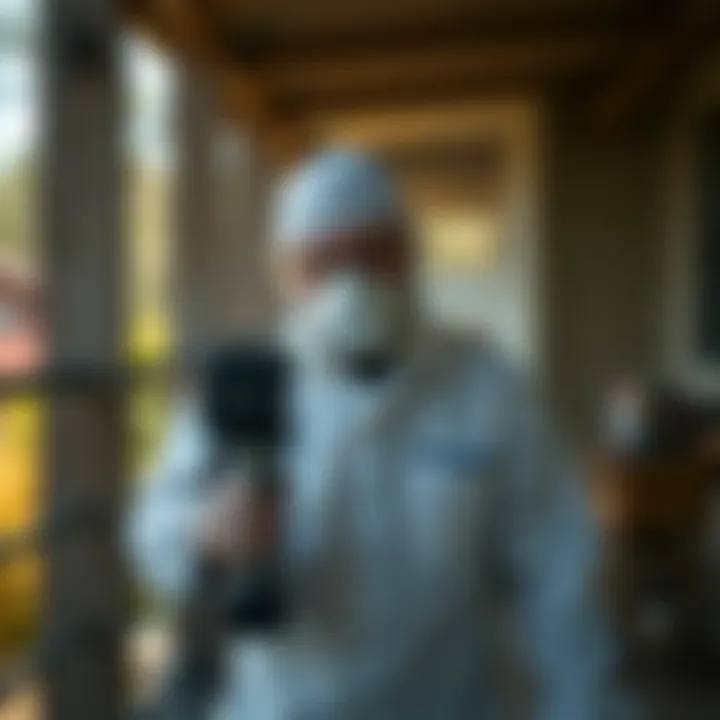
When it comes to effectively managing pest issues, the expertise of pest control professionals cannot be overstated. These individuals bring a wealth of knowledge, experience, and practical skills that can make a significant difference in pest management outcomes. Their role is crucial, especially in a place like Fayetteville, where the variety of pests and the local environment can present unique challenges. With their training and certification, pest control professionals know the ins and outs of pest behavior, prevention, and elimination strategies tailored to local conditions.
When to Seek Professional Help
Homeowners often hesitate before calling in a pest control expert, unsure if the situation merits professional intervention. Here are some pointers on when it's time to pick up the phone:
- Persistent Infestations: If you find that your efforts in handling pests are ineffective and populations seem to be growing rather than shrinking, it’s definitely time to consult a pro.
- Health Risks: When pests pose health risks—think cockroaches, mice, or bed bugs—they can trigger allergies or transmit diseases. Seeking professional help protects your family’s well-being.
- Lack of Experience: If you’re dealing with a pest you’ve never encountered before, or if the infestation is extensive, professionals have the tools and know-how to handle it effectively.
In these scenarios, it’s better to err on the side of caution. Some pests can cause damage or carry diseases that jeopardize both your family and your property.
Choosing a Qualified Pest Control Service
Selecting the right pest control service can be as daunting as dealing with the pests themselves. It’s essential to choose a company that not only has the right credentials but also aligns with your specific needs. Here are some factors to consider:
- Credentials & Certifications: Always check if the company is licensed and insured. This demonstrates they meet local and state requirements, ensuring a level of professionalism and expertise.
- Experience: Look for companies that have a proven track record in managing pest issues similar to yours. A company with substantial experience in Fayetteville will be more familiar with local pest problems and effective solutions.
- Reviews and References: Don’t hesitate to ask for reviews or contact former customers. Positive testimonials can point you in the direction of reliable services.
- Integrated Pest Management (IPM): A company that employs an IPM approach considers various factors before treatment, offering a more sustainable way to manage pests.
By keeping these considerations in mind, homeowners can navigate the overwhelming options and find a service that is right fit.
Understanding Pest Control Contracts
Before settling on a pest control service, it’s important to understand the contracts they offer. This ensures that you’re fully aware of the treatment process, costs, and future obligations. Here are essential elements to consider:
- Scope of Work: Make sure the contract clearly outlines the services to be provided. This often includes an initial inspection, treatment plans, follow-up visits, and guarantees.
- Duration & Frequency of Treatments: Contracts can vary in terms of how often treatments are administered. Check how long the contract lasts and when you can expect re-treatments if needed.
- Cancellation Policy: Know what to expect if you need to cancel. Understanding your rights in this regard can prevent future headaches.
- Pricing Structure: Be aware of how you will be billed and whether there are any additional fees for service calls or follow-up treatments.
Ensuring all these factors are clearly understood can help homeowners avoid potential pitfalls and keep surprises to a minimum.
"Pest control isn't just about elimination; it's about prevention, education, and tailored strategies that work best for your unique environment."
By recognizing the critical role that pest control professionals play, homeowners in Fayetteville can better navigate pest management, ensuring a safe and healthy living environment.
Eco-Friendly Pest Control Options
In this day and age, homeowners are becoming more attuned to the environmental impact of their choices, including pest control. Eco-friendly pest control options not only promote the well-being of the planet but are also safer for families and pets. This approach emphasizes the need to minimize chemical usage while effectively managing pests. With a growing awareness of sustainable living, the importance of eco-friendly pest control options in Fayetteville, GA, is paramount, particularly in residential spaces where children and pets often roam freely.


Benefits of Eco-Friendly Pest Control
Choosing eco-friendly options can lead to significant benefits, such as:
- Reduced chemical exposure: Many conventional pesticides contain harmful substances that can linger in the environment, impacting air and water quality.
- Increased biodiversity preservation: Eco-friendly practices often protect beneficial insects and wildlife that contribute to a healthy ecosystem.
- Enhanced safety: These methods are generally safer for use around children and pets, reducing the likelihood of health risks.
Considerations in Implementing Eco-Friendly Pest Control
When considering eco-friendly pest control, it’s essential to evaluate factors like effectiveness, cost, and availability of products. While some natural methods may take longer to show results compared to their chemical counterparts, they ultimately contribute to long-term pest management strategies.
Natural Pesticides and Their Efficacy
Natural pesticides have gained traction as a sought-after alternative in pest control. These products embody plant-based materials or other naturally occurring elements. The efficacy of natural pesticides varies based on their formulation and the target pest.
Common types of natural pesticides include:
- Essential Oils: Oils like peppermint and lavender can deter pests without harming beneficial insects.
- Neem Oil: Extracted from the seeds of the neem tree, this oil disrupts pests' life cycles and works as both a repellent and a pesticide.
- Diatomaceous Earth: This powdery substance can manage soft-bodied insects by causing dehydration upon contact.
- Garlic and Chili Sprays: Homemade concoctions can keep pests at bay, creating an unwelcoming environment without chemical residues.
While they have their advantages, it’s crucial to follow application instructions closely, as improper use may reduce their effectiveness. Also, certain pest populations may require a more targeted approach.
Cultural and Mechanical Control Methods
Cultural and mechanical control methods represent proactive strategies that can be integrated into everyday practices to minimize pest occurrences.
Cultural Control refers to practices that change the environment to make it less conducive to pest problems. Examples include:
- Crop Rotation: In gardens, changing the location of plants each season can disrupt pest life cycles.
- Sanitation Practices: Regular removal of debris and uneaten food can deter pests from establishing colonies.
- Companion Planting: Some plants naturally repel specific pests, making it wise to mix and match accordingly.
Mechanical Control involves using physical means to keep pests in check. Techniques include:
- Traps: Sticky traps or bait stations can effectively reduce rodent and insect populations when placed strategically around the home.
- Barriers: Screens over windows and doors can prevent insects from entering living spaces.
- Hand-Picking: For small infestations, removing pests manually can be both satisfying and effective.
Combining cultural and mechanical practices, alongside natural pesticides, paves the way for a holistic approach to pest control. It effectively addresses pest problems while promoting an eco-friendly environment, proving to be beneficial for homes in Fayetteville who wish to maintain a pest-free space.
Ultimately, choosing eco-friendly pest control options allows homeowners to safeguard their living spaces while cherishing the natural world around them.
Pest Control Myths and Facts
The realm of pest control is often riddled with misinformation. This isn't just a nuisance; it can also lead to ineffective solutions and ongoing infestateions in homes. As homeowners navigate through the challenge of keeping their living spaces pest-free, understanding the realities and myths surrounding pest control becomes critical. Getting the right info could save time, money, and even health concerns.
Knowing what's true and what's just a myth can help households make informed decisions about pest management. This segment of the guide aims to clarify common misconceptions and offer insight into the effectiveness and reality of popular pest control methods.
Common Misconceptions in Pest Control
There are plenty of myths floating around, many of which could lead to dangerous practices or wasted resources. Here are a few misconceptions:
- All Pests Are the Same: Many folks believe that all pests require the same approach for elimination. This is far from true. Different pests have different behaviors and habitats, so one-size-fits-all solutions won't cut it.
- Home Remedies Always Work: There is a notion that natural remedies, like vinegar or baking soda, can solve all pest issues. While they might work in some situations, more persistent pests often need professional-grade treatments.
- Pests Only Appear in Dirty Homes: It's a common thought that cleanliness alone can keep pests at bay. However, pests can invade even the tidiest homes, seeking shelter for various reasons.
- Once Eliminated, They Won't Return: Just because you successfully eradicated a pest doesn't mean they can't come back. New ones can move in if preventative measures aren’t taken.
It’s essential to base pest control decisions on facts rather than common myths. Misunderstanding pests can lead to continued infestation.
Reality of DIY Pest Solutions
The do-it-yourself route is often appealing—it's budget-friendly and provides a sense of control. However, it comes with its own set of challenges.
- Effectiveness: Many DIY solutions lack the potency needed to eliminate serious infestations. While they may help with minor pest sightings, they often fail to address the root of the problem.
- Safety Concerns: Some homemade pest control solutions can be hazardous to pets and children. Mixing certain substances without proper guidance can even pose health risks.
- Time-Consuming: Continually trying various DIY methods can be a waste of time, especially when professional services can tackle the issue quickly and proficiently.
- Knowledge Gap: Effective pest control isn't just about the product used—understanding pest behavior, breeding, and potential entry points also plays a big role. Many DIY enthusiasts simply lack that technical know-how.
In summary, while DIY solutions might work for minor issues and can serve as an initial attempt to control pests, relying solely on them can be short-sighted. Homeowners are encouraged to evaluate the severity of their pest problem. For significant infestations, it often pays to contact a professional pest control service for a comprehensive solution.
Culmination
Wrapping up our exploration of pest control methods, it's essential to recognize that effective management starts with a comprehensive understanding of the local pest environment in Fayetteville, GA. Addressing pest issues isn't merely about eradication; it's about maintaining a healthy living space, ensuring that you and your family can live comfortably without the intrusion of unwanted critters.
Summary of Key Points
- Diverse Pest Landscape: Fayetteville is home to various pests that present unique challenges, necessitating tailored approaches for different species.
- Active Control Techniques: Employing a range of methods, from chemical to biological, offers flexibility in addressing infestations effectively.
- Preventative Measures: Maintaining a clean environment and securing entry points can drastically reduce the likelihood of pest invasions.
- Role of Professionals: Knowing when to call in experts is crucial for complex infestations that require specialized skills and tools.
- Eco-Friendly Options: Increasing awareness about sustainable pest control methods reflects a growing trend towards environmentally responsible practices.
The Future of Pest Control in Fayetteville
As we look ahead, the landscape of pest control in Fayetteville is bound to evolve. New technologies and solutions are emerging, particularly in eco-friendly pesticides and natural deterrents. These advancements align with the values of increasingly health-conscious homeowners. Moreover, as local ecosystems change—due, for instance, to climate variations—adjustments in pest behavior will likely follow.
This evolving nature of pest control emphasizes the importance of continuous learning and adaptation for both homeowners and pest management professionals. Staying informed through local resources, such as the Fayette County Health Department or the University of Georgia's Cooperative Extension services, will help keep pace with effective pest management strategies.
Thus, whether you're a homeowner or a specialist, engaging with new information can lead to more holistic and effective approaches in pest control, ensuring a safe and pest-free environment for all.