Understanding the Palm Meadow Bug: Identification & Management
Intro
The palm meadow bug, scientifically known as Acanthocephalus westerlundii, might not be the most talked-about pest, but it holds significant importance for both agricultural and residential settings. Understanding this pest thoroughly is crucial for effective management and ensuring healthy crops and home environments. In this article, we will explore its identification, habitat, and management techniques, providing valuable insights for homeowners and agriculturalists alike.
Identification of Common Pests
Description of Common Pests
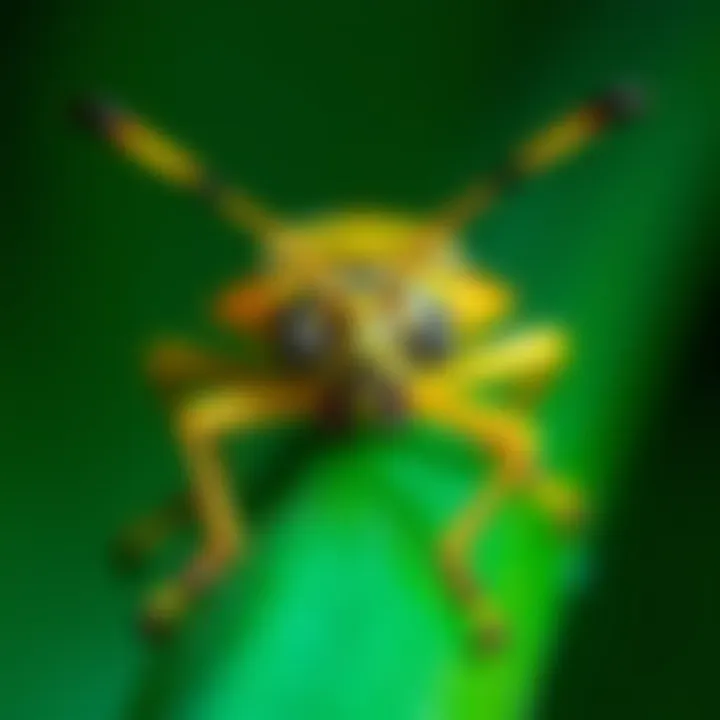
The palm meadow bug is a small, often overlooked insect, typically measuring about 5-10 mm in length. Its body is oval-shaped with a distinctive coloration that can range from green to brown, varying depending on its environment. These bugs often resemble a tiny version of a leaf or a stick, allowing them to blend seamlessly into their surroundings. This camouflage is particularly common among pests that utilize plants for sustenance and shelter.
When focusing on identification, it’s essential to consider the unique features that set the palm meadow bug apart from similar pests. Look for:
- Distinctive markings: The palm meadow bug often has a pattern akin to a camouflage print that aids in its concealment.
- Movement patterns: Their movement is usually slow and deliberate, unlike more active bugs that scurry rapidly.
- Feeding habits: They primarily consume sap from plants, leaving behind telltale signs such as discolored or wilting foliage.
Signs of Infestation
Detecting an infestation of palm meadow bugs requires keen observation of both the plants and the surrounding area. Here are common indicators:
- Discoloration of leaves: Look for yellowing or browning, particularly on the edges.
- Sticky residue: The sap secretions can result in a sticky film on surfaces beneath the affected plants.
- Presence of black sooty mold: This fungus thrives on the honeydew produced by these bugs, creating unsightly spots on leaves and surfaces.
Understanding the signs of pests can save you from big trouble later.
Prevention Techniques
Home Maintenance Tips
Preventing a palm meadow bug infestation in your home or garden doesn't require a PhD in entomology. There are straightforward home maintenance tips that when implemented, can keep these pesky bugs at bay:
- Regularly inspect plants: Check your plants frequently for any signs of pest activity or damage.
- Prune regularly: Removing excessive foliage helps improve air circulation and reduces the opportunity for pests to thrive.
- Debris management: Clear fallen leaves and other debris around plants to minimize places for bugs to hide.
Environmental Modifications
Making some simple adjustments to your environment can create an unfriendly atmosphere for palm meadow bugs:
- Diverse planting: A variety of plants can deter infestations as these bugs often prefer specific host plants.
- Mulching: Using organic mulch can help retain moisture and enhance plant health, but be cautious not to let it become too thick, allowing pests a habitat.
Eco-Friendly Pest Control Options
Natural Pesticides
If you find yourself dealing with an active palm meadow bug population, turning to natural pesticides can be an effective solution. Here are a few to consider:
- Neem oil: A natural insecticide that disrupts the bug's life cycle and can deter further infestations.
- Insecticidal soap: A safe option that targets soft-bodied insects, penetrating their waxy exoskeletons.
Organic Pest Control Techniques
Beyond chemical alternatives, you can also explore organic control techniques that are safe for the environment:
- Beneficial insects: Introducing ladybugs or lacewings can help regulate the palm meadow bug population naturally.
- Companion planting: Some plants have natural repellent qualities that deter pests. For instance, marigolds are known to repel various garden pests.
By adopting these strategies, both homeowners and agricultural entities can create a harmonious balance with nature, managing the palm meadow bug effectively while preserving the integrity of their environments.
Intro to Palm Meadow Bug
Diving into the realm of the palm meadow bug sheds light on a fascinating species that plays a crucial role in various ecosystems. Understanding this little creature is not just a matter of scientific curiosity; it offers significant insight into the health of our gardens and landscapes. This article aims to unwrap various aspects of the palm meadow bug, from its identification to the habitats it occupies and the management strategies suitable for homeowners.
Defining the Palm Meadow Bug
The palm meadow bug, otherwise known scientifically as Rugilus rugius, is a small, sap-sucking insect that primarily targets palm and other related species. Significantly, this bug's body features a delicate balance of structure and coloration, which aids in its identification within various environments. The insect usually measures around 7 to 9 millimeters in length, and has a distinctively mottled appearance combining brown and green shades, often easily blending into foliage. This camouflaging ability allows it to escape predators while feeding on the sap of plants. Done right, distinguishing this bug from harmless species is vital, as its presence can be symptomatic of larger pests problems wreaking havoc in gardens and agricultural settings.
Historical Context and Evolution
To grasp how the palm meadow bug has adapted over time, it's essential to consider its evolutionary journey. Originating in tropical regions, this bug has expanded its territory across various climates. The adaptation to different environments over decades has allowed it to thrive despite changing conditions. Throughout history, the palm meadow bug has occasionally posed challenges in agricultural settings, particularly in areas where palm cultivation is prominent. Understanding the bug's evolution reveals not just a history of survival but also the intricate relationship with its host plants. Such insight can guide effective management practices today.
Ultimately, kicking off this exploration into the palm meadow bug helps set the stage for a detailed understanding of its biological characteristics, habitat preferences, and pest management strategies that homeowners can employ.
Biological Characteristics
The biological characteristics of the palm meadow bug form a crucial component in truly understanding both its role in the ecosystem and the challenges it presents as a pest. Recognizing the nuances of this insect's anatomy, lifecycle, and behavior not only aids in identifying it accurately but also plays a vital role in effective management strategies. A comprehension of these biological features can provide valuable insight into how to mitigate their impact on agricultural and residential environments.
Morphology and Anatomy
Body Structure
The body structure of the palm meadow bug is uniquely adapted for its ecological niche. Characterized by a flattened, oval shape, this body form allows for easy movement through dense grasses and foliage, contributing to its very effective foraging behavior. One significant aspect is the robustness of its exoskeleton, which offers protection from both environmental factors and predators. This resilience contributes to its survival, making it a noticeable contender in various habitats.
Moreover, the notable physical feature is that their bodies can effectively camouflage within their surroundings. This behavioral adaptation gives them an advantage against potential dangers. However, this adaptive trait also makes it more challenging for homeowners to spot these pests until populations begin to swell.
Coloration Patterns
Coloration patterns serve more than just an aesthetic function in the palm meadow bug; they play a critical role in behavioral adaptations. Typically, these insects showcase a palette ranging from green to brown, allowing them to blend seamlessly into their chosen habitats, particularly amidst the vegetation they frequent. This natural camouflaging acts as a defense mechanism during their vulnerable stages.
A key characteristic of the coloration is its variability based on environmental factors, such as humidity and temperature. Such a feature can inhibit identification efforts for those not displaying acute observational skills. Nevertheless, understanding these patterns can better equip individuals in recognizing infestations early.
Size Variability
Size variability among palm meadow bugs is another intriguing aspect worth noting. On average, mature bugs can measure between two to five millimeters in length, which might seem small, but can have significant implications for pest management. The differences in size often correspond to their stage in the lifecycle and the availability of resources in their habitat.
This variability introduces a blend of challenges and opportunities. For instance, nymph stages are often smaller and more susceptible to environmental changes, whereas adults are better adapted to withstand varying conditions. Being aware of these size differences can guide targeted pest control strategies. Understanding the distinct size profiles also assists in monitoring population dynamics more effectively.
Life Cycle Stages
The life cycle of the palm meadow bug is a vital topic, due to its implications for population management and treatment effectiveness. Along this cycle, the insect displays various stages, each contributing to its ecological role as well as its potential to become a pest.
Egg Stage


In the egg stage, which typically lasts for a few days, the palm meadow bug exhibits remarkable resilience, often laid in clusters on or near host plants. A defining characteristic of this stage is egg shape, which appears oval and glossy. These traits aid in blending with their surroundings, enhancing survival chances against predators. This step is crucial, as it determines the future population density and, consequentially, the pest pressure!
Nymph Development
Following the egg stage, the nymphs emerge and undergo several molts before reaching adulthood. Nymphs bear a striking similarity to adults but lack fully developed wings. Their development is critical as it exposes them to different predation risks and food sources. Key interest here is that their growth speed can be significantly influenced by environmental conditions, such as moisture levels and temperature, affecting overall reproduction rates.
This segment of the lifecycle is particularly vulnerable to management efforts, as targeted treatments can be applied during these stages to curb populations before they reach maturity.
Adult Stage
Finally, the adult stage marks the palm meadow bug's full transition into a reproductive mode. Each adult is capable of producing hundreds of eggs, which can rapidly increase their numbers if not effectively managed. One eye-catching feature is their mating rituals, which involve intricate dances and pheromone production, vital for attracting partners.
Understanding the adult behavior is important in devising pest management strategies. Implementing measures during this stage can significantly reduce the likelihood of population explosions, thereby preserving both agricultural interests and residential gardens.
"The careful observation of the palm meadow bug’s biological characteristics can equip house owners with essential tools towards proactive pest management."
By understanding these biological characteristics, individuals from all walks of life can better appreciate the palm meadow bug’s ecological role and sharply focus their management strategies to address pest challenges they might encounter in both gardens and farmlands.
Habitat Preferences
Understanding the habitat preferences of the palm meadow bug is crucial for anyone looking to manage or study these pests effectively. The environment where these bugs thrive significantly influences their behaviors, reproductive patterns, and interactions with other species. By gaining insights into their preferred habitats, homeowners and land managers can take informed steps to mitigate the negative impact of these pests on their properties.
Preferred Environments
Climate Considerations
The palm meadow bug favors warm climates, thriving best in areas with moderate to high temperatures. This preference for warmth is primarily driven by their biology, as heat enhances their movement and metabolism. For example, regions such as southern Florida or southern California provide an ideal blend of sunshine and warmth, creating a conducive environment for reproduction and feeding. However, an excessive rise in temperature, particularly during heat waves, can actually stress the species. Too much heat pushes the bugs to seek cooler areas, making it essential to find a balance in temperature for their survival.
This temperature sensitivity makes it pertinent for residents in warmer climates to stay alert when managing landscapes.
Vegetation Types
Palm meadow bugs exhibit a strong affinity for certain types of vegetation, particularly those found in urban landscapes, such as ornamental grasses, shrubs, and flowering plants. They are usually spotted mingling in gardens with a mix of tall grasses and shrubs, as such areas provide both food and shelter. This kind of habitat is beneficial because it offers the bugs not only a food source but also a refuge from predators. However, their preference for these plants can lead to conflicts in urban settings, where residents might find these insects damaging to ornamental features. On the flip side, it’s also worth noting that some less common native plants can deter these bugs, providing an avenue for ecological management.
Geographical Distribution
Palm meadow bugs are predominantly found in temperate to subtropical regions. Knowing their geographical distribution is essential for anyone looking to manage these pests. They typically inhabit areas with a mixture of agriculture and urban development. This adaptability allows them to thrive in zoos, parks, and residential gardens. Their presence is often a clear indication of the local ecosystem's health. An important aspect here is how they can spread in areas where their preferred environments are available. While their geographical range ensures survival, it also raises concerns for local flora, as they could easily encroach upon newer regions and impact the ecological balance.
Impact of Environmental Changes
As the climate changes and urban areas expand, understanding how the palm meadow bug adapts is crucial. Many of these changes can directly impact their survival and, ultimately, their management in the long term.
Urbanization Effects
Urban development leads to habitat fragmentation that can either benefit or harm palm meadow bugs. As cities expand, they often create new microhabitats that can be quite favorable for them. However, with increased pesticide use in urban gardening and lawn maintenance, it may become challenging for the bugs to survive in these altered landscapes. This duality highlights the need for proactive gardening practices that respect both the needs of humans and the ecosystem at large.
Climate Change Influence
Climate change poses a significant threat to the palm meadow bug. Altered precipitation patterns and fluctuating temperatures can disrupt their natural life cycles, impacting their population numbers. Additionally, as temperatures rise, the potential spread of this pest into new areas increases, which might not be prepared for their invasiveness. Understanding these dynamics is crucial for developing effective management strategies.
"Adaptation to weather changes may determine the resilience of the palm meadow bug in shifting landscapes."
Whether you’re combating their presence in your garden or studying their ecological roles, knowing about their habitat preferences is half the battle. With such information at your fingertips, you can not only manage your gardens better but also contribute to a healthier local ecosystem.
Behavioral Patterns
Understanding the behavioral patterns of the palm meadow bug is crucial, as it directly impacts both their management and the ecosystems they inhabit. The way these insects interact with their environment and each other can influence their presence in agricultural settings and residential spaces. By delving into their feeding habits and reproductive behaviors, we gain insights into effective management strategies that can minimize their impact.
Feeding Habits
Host Plants
The palm meadow bug thrives on specific host plants that provide them with the nutrients necessary for survival and reproduction. Common host plants include species like saw palmetto and various ornamental palms. These plants are particularly attractive to the bugs largely due to their sap, which serves as a primary food source. The selection of these host plants is significant because they not only support the bug's nutritional needs but also play a pivotal role in the local ecosystem by contributing to the overall plant health.
One unique characteristic of these host plants is their high sap content, which is particularly nutritious for palm meadow bugs. However, reliance on a limited number of these specific plants might be seen as a disadvantage, as it can lead to localized outbreaks in the ecosystem. This situation can further necessitate targeted pest management measures.
Nutritional Needs
Nutritional needs of the palm meadow bug are a critical aspect that shapes their feeding habits. As sap-sucking insects, palm meadow bugs have developed specialized mouthparts to extract fluids from their host plants. This capability allows them to absorb vital nutrients and moisture necessary for their growth and development. The bugs favor young, healthy tissue, which tends to have higher nutritional value.
An interesting feature of their nutritional needs is the dependence on high-sugar sap, which not only sustains them but also influences their reproductive success. With this in mind, understanding their nutritional requirements can guide homeowners and farmers in creating conditions that deter these pests, such as reducing the availability of favored host plants. Therein lies both an advantage in knowing their preferences and a disadvantage related to managing plant health.
Reproductive Behavior
Mating Rituals
Mating rituals of the palm meadow bug are fascinating and complex. These insects often have specific courtship behaviors that may include visual signals and pheromone releases to attract potential mates. Highlighting these rituals sheds light on their reproductive success, critical for maintaining their population levels.
One reason these rituals are important is they ensure genetic diversity within the population, which is vital for adapting to changing environments. However, this can also be a double-edged sword. When local populations become established, they may engage in inbreeding if mate options become limited due to habitat destruction or pest management efforts, potentially weakening their resilience.
Nesting Habits
Nesting habits of palm meadow bugs are intrinsically linked to their reproductive success and survival. They tend to lay their eggs on or near the host plants, ensuring that the emerging nymphs have immediate access to food. This strategic positioning is essential for the survival of the young bugs.
A unique feature of their nesting behavior is the protective arrangements they create. Eggs can be laid in clusters, which may offer some protection from predators and environmental hazards. However, this behavior can also be a disadvantage if multiple eggs end up in a single vulnerable area, leading to increased competition for resources among hatchlings. Understanding these nesting habits can inform pest management strategies, as disrupting nesting sites could help control palm meadow bug populations.
Understanding the behavior of palm meadow bugs is essential for creating effective management strategies and maintaining healthy ecosystems.
In summary, examining the behavioral patterns of palm meadow bugs, particularly their feeding habits and reproductive behaviors, provides a foundation for more efficient management practices. By recognizing their unique needs and interactions within their environment, homeowners and farmers can better implement strategies that mitigate their impact.
Ecological Role
The ecological role of the palm meadow bug is vital as it provides insights into interactions among species and overall ecosystem health. Understanding how these pests fit into their environments helps in developing effective management strategies and enhances knowledge on maintaining ecosystem balance. Observing these insects goes beyond simple identification; it sheds light on their contributions to various ecological processes.
Interactions with Other Species
Predator-Prey Dynamics
The predator-prey dynamics involve a fascinating dance between the palm meadow bug and its natural enemies. This relationship is significant in regulating populations of both the bug and its predators, ensuring that neither overpopulates. For instance, when a particular bird species preys on these bugs, it keeps their numbers in check, which benefits numerous plants by reducing sap-sucking damage. The insect's relatively high reproductive rate means that a single predator can efficiently manage a substantial volume of these bugs, creating a harmony that’s crucial for protecting flora.
One key characteristic here is the adaptability of both predator and prey, which changes based on environmental shifts. This adaptability might be considered a double-edged sword. While it allows for survival in diverse conditions, it also means that interpreting these dynamics presents challenges when managing pest populations. Understanding these local predator-prey interactions can lead to tailored and localized pest management strategies.
Symbiotic Relationships
Symbiotic relationships involving palm meadow bugs can often be overlooked. These bugs share interesting connections with certain plant species and other insects. For example, they often help disperse plant seeds while feeding on plant sap, forming a mutualistic relationship that benefits both parties. This key characteristic allows flowering plants to thrive while providing nourishment to the bug at the same time.
A unique feature of these relationships is the selective nature of symbiosis. It’s not always a straightforward gain for all involved. For instance, if the relationship shifts to become more harmful than beneficial due to environmental changes, it could impact the plant’s health significantly. This duality makes studying such connections essential in the context of ecosystem health.
Contribution to Ecosystem Health
Pollination Effects
The contribution of palm meadow bugs to pollination effects plays an understated yet critical role in ecosystem health. While they are not primary pollinators like bees, their activities can inadvertently aid in the pollination of specific plants when they move from one bloom to another. This contribution is particularly beneficial in agricultural settings, as many crops rely on various insect visitors for successful pollination.
The advantageous side to this is the broader diversity of plant growth, creating a robust ecosystem. However, this interdependence has drawbacks; if palm meadow bug populations change due to pest management strategies not accounting for their role in pollination, it can affect crop yields and plant health.
Plant Health Maintenance
Palm meadow bugs also contribute to plant health maintenance, albeit in a complex manner. Their feeding behavior can help prune plants, stimulating growth by removing damaged or older parts. This crucial aspect means that managing these insects posits a balancing act, as overpopulation can lead to excessive damage, which could undermine the benefits of their presence.
These unique relationships with plants highlight the need for thoughtful pest management practices that consider the ecological web, ensuring that plant health isn't compromised by treating these bugs merely as pests.
Understanding the ecological roles of palm meadow bugs allows for a more nuanced approach to pest management, facilitating both pest control and ecological balance.
Pest Management Strategies
Effective pest management strategies are vital for controlling the palm meadow bug. Understanding these strategies not only helps in minimizing the population of these pests but also protects the ecosystem and agricultural productivity. With the right approach, homeowners and farmers can manage the pest situation better and mitigate their impacts on plants and crops.
Identification and Monitoring
Trap Methods
Trap methods are a popular choice for identifying and monitoring the palm meadow bug populations. These traps can lure the bugs using specific attractants, making detection straightforward. Not only are they simple to set up, but they also provide continuous monitoring of pest levels.
A unique feature of these traps is their ability to give real-time data on the bug's population dynamics. However, while highly effective, they may require regular checks and maintenance to ensure they remain functional.
Field Inspections
Field inspections are another cornerstone of effective pest management. By conducting thorough inspections in and around the affected areas, individuals can identify the presence of palm meadow bugs early on. This hands-on approach allows for observing not just the bugs but also their habitats and feeding patterns.
The significant advantage of field inspections is the direct evaluation of the situation. Still, they can be labor-intensive and may necessitate training to accurately spot the bugs amidst similar-looking species.
Preventive Measures
Landscaping Techniques
Landscape design plays a crucial role in pest management. Landscaping techniques entail creating a pest-unfriendly environment through plant selection and spatial arrangements. By choosing plants that repel the palm meadow bug, homeowners can reduce the likelihood of inviting these pests into their gardens.
One key characteristic of landscaping strategies is their ability to enhance aesthetic appeal while serving as a preventive measure. Yet, these methods can be time-consuming and may demand significant initial investment to establish.
Regular Maintenance
Regular maintenance of gardens and agricultural fields is an effective preventive measure against palm meadow bugs. This involves routine trimming, clearing debris, and monitoring soil health. Keeping the area clean and well-maintained reduces conducive environments for pests.
The uniqueness of regular maintenance is its dual role; it helps enhance plant health and minimizes pest infestations. However, it can require a consistent time commitment, which might be challenging for busy individuals.
Effective Treatment Options
Chemical Solutions
Chemical solutions offer a more direct method to control palm meadow bug populations. Various insecticides can effectively lower bug numbers and release the pressure from affected plants. Their rapid action is a key characteristic, delivering noticeable results in a short period.
The unique aspect of chemical solutions is their availability and ease of application, but they often carry the risk of affecting non-target species and pollinators, raising concerns about broader ecosystem impacts.
Organic Alternatives
Organic alternatives provide a desirable balance between pest control and environmental stewardship. These can include natural pesticides and beneficial insect releases, focusing on non-toxic measures that are safer for humans and wildlife alike. Their key characteristic lies in promoting biodiversity and ecological health.
A unique feature of organic alternatives is their sustainable approach to pest management. However, they typically require more patience and consistent application to achieve effective control compared to conventional chemical treatments.
This comprehensive understanding of pest management strategies is essential for homeowners and landowners. Implementing these methods effectively can lead to healthier plants and a more sustainable environment.
Challenges in Management
Managing the palm meadow bug poses diverse challenges that require attention to detail and a thorough understanding of this species. First and foremost, these bugs have developed a considerable resistance to many common treatments, complicating pest management efforts. This resistance not only threatens the effectiveness of pesticides but can lead to significant crop damage and financial losses for homeowners and farmers alike.
Additionally, addressing the palm meadow bug involves considerations beyond mere eradication. The methods employed must safeguard non-target species within the ecosystem. This balance is crucial, as unintended harm to beneficial insects can upset the delicate web of life, leading to a ripple effect throughout the environment.
Moreover, the dynamic nature of climate and urban development adds layers of difficulty. As the palm meadow bug adapts to changing habitats, management strategies must evolve concurrently to stay effective. Hence, a multi-faceted approach is needed to tackle these issues head-on, threading the needle between effective management and ecosystem preservation.
Resistance to Treatments
Understanding Resistance Mechanisms
The palm meadow bug's ability to withstand various treatment options stems from its natural evolutionary responses. Understanding these resistance mechanisms is essential for developing viable pest control strategies. One key characteristic of these mechanisms lies in their biological adaptability; these bugs can rapidly evolve, making it increasingly difficult to find effective pesticides. Moreover, their ability to survive on minimal resources only boosts their resilience against standard management practices.
This knowledge helps contextualize why traditional pesticide strategies may yield diminishing returns. It encourages the exploration of alternative solutions that might circumvent these inherent resistances. The unique feature of these resistance mechanisms is their variability based on environmental conditions and previous exposure to chemicals. This adaptability offers both advantages and disadvantages; while it highlights the need for innovation in control techniques, it also demonstrates the need for ongoing research to understand and mitigate these effects.
Adjusting Strategies
To effectively manage the challenges posed by the palm meadow bug, adjusting strategies becomes paramount. Tailoring pest management plans based on real-time data and previous outcomes can improve effectiveness significantly. A hallmark of these adjusting strategies is their flexibility; methods that worked last season may need recalibration to align with current bug behavior and population dynamics.
One of the unique features of adjusting strategies includes integrated pest management (IPM), combining biological control methods with cultural practices. This approach not only aims to control the bug population but also to foster a healthy ecosystem. However, it’s crucial to note that implementing layered strategies can require more upfront planning and monitoring, which some may find burdensome. Yet, the long-term benefits often outweigh these initial drawbacks, leading to sustained pest control and environmental health.
Impact on Non-Target Species
Ecosystem Balance
Maintaining eco-system balance is a fundamental consideration when dealing with palm meadow bugs. Their management strategies should not inadvertently harm other species that play essential roles in the environment. The balance refers to ensuring that populations of beneficial insects and other wildlife remain stable despite the management actions taken against these pests.
A key characteristic of this balance is the intricate relationships that exist within ecosystems. Disrupting these relationships through indiscriminate pest control measures can lead to unintended consequences that damage the ecosystem further. Recognizing this relationship fosters a more holistic approach to pest management that emphasizes careful planning and execution, creating a beneficial rather than harmful impact.
One unique feature of focusing on ecosystem balance is its alignment with the broader goals of biodiversity and sustainability. However, it does put the onus on homeowners and farmers alike to become more educated about their landscapes, which might not always be convenient.
Biodiversity Concerns
Biodiversity concerns play a critical role in managing the palm meadow bug. The introduction of heavy treatment regimens can lead to significant declines in beneficial species, risking the very stability that ecosystem balance aims to uphold. Therefore, acknowledging these biodiversity concerns is crucial in any pest management strategy.
One key characteristic of biodiversity is its resilience; a greater variety of species often translates to a more robust ecosystem. Thus, any efforts to manage palm meadow bug populations should consider the broader ecological implications that arise from these efforts. The unique feature of a biodiversity-inclusive management approach is its promotion of long-term sustainability, creating ecosystems capable of withstanding various stresses over time. Yet, this can introduce complexity, demanding a more nuanced understanding of environmental interactions that the average homeowner may not have. Nevertheless, investing in biodiversity preservation will yield dividends in ecological health and pest management in the long run.
Future Research Directions
Research on the palm meadow bug highlights the need for ongoing advancements in understanding not just the species itself but also its wider ecological impacts and management strategies. As agricultural practices evolve and environmental challenges increase, scholars and practitioners alike must grasp the nuances of this insect to safeguard crops and natural habitats effectively. Delving into the future research directions can unearth strategies that cater to pest management and ecosystem preservation, ensuring a balanced approach.
Innovations in Pest Control
Biological Control Methods
Biological control methods employ natural predators or pathogens to curb pest populations. This strategy can be pivotal in controlling palm meadow bug infestations without harming the surrounding ecosystem. By harnessing the power of nature, growers can reduce reliance on chemical treatments, which can pose risks to both non-target species and human health.
Key characteristic: The use of natural enemies, such as certain parasitoids or beneficial insects, is a primary feature of this method. This approach fosters an ecological equilibrium while addressing pest concerns effectively. However, the effectiveness may vary based on climate and local biodiversity.
Advantages:
- Eco-friendly: Reduces the chemical load on the environment.
- Sustainability: Provides long-term solutions that can develop alongside the ecosystem.
Disadvantages:
- The balance of introducing predators must be carefully considered to avoid creating new ecological challenges.
Genetic Research Initiatives
Genetic research initiatives provide insight into the underlying genetic traits that allow palm meadow bugs to thrive in varied environments. This research can lead to breakthroughs in pest resistance and management techniques. Understanding genetic markers can inform breeding programs of host plants that deter the bug while not compromising yield.
Key characteristic: A focus on identifying gene expressions that contribute to adaptability can be a game-changer. These initiatives enable researchers to create resilient crop varieties that can withstand attacks by pests like the palm meadow bug.
Advantages:
- Crop Improvement: Development of resistant varieties can lead to higher yields and lower pesticide dependency.
- Precision Agriculture: Genetic insights enhance targeted pest management strategies.
Disadvantages:
- The complexity of gene interactions within multi-species environments can lead to unforeseen challenges.
Exploring Climate Impacts
Adaptation to Climate Change
Adaptation strategies regarding climate change play a crucial role in managing the palm meadow bug. As temperatures rise and weather patterns shift, the habitats and behaviors of these bugs may also change. Researching how they adapt can provide insights into modifying pest management techniques prior to infestations becoming problematic.
Key characteristic: A focus on behavioral adaptability means understanding how temperature fluctuations and rainfall impact life cycles. These findings could lead to preemptive strategies to mitigate potential damages.
Advantages:
- Data-Driven Decisions: Informed strategies can emerge from climate impact research, focusing on facts rather than assumptions.
- Proactive Management: Anticipating infestations before they arise can save resources.
Disadvantages:
- Variability and unpredictability of climate can make forecasts challenging and management plans obsolete.
Future Habitat Projections
Looking ahead, projections on how habitats will change due to climate factors can significantly influence management strategies for the palm meadow bug. Predictive models can draw connections between environmental changes and species distributions, helping to forecast where future infestations might occur.
Key characteristic: Emphasis on model-driven projections can create nuanced understanding around where palm meadow bugs might thrive under changing conditions. These insights can guide preventive measures in susceptible areas.
Advantages:
- Strategic Planning: Allows for focused resource allocation in areas at high risk.
- Monitoring Programs: Enables more effective surveillance efforts tailored to likely hotspots.
Disadvantages:
- Reliance on models may result in overconfidence, potentially neglecting the need for flexible strategies.
The End
The conclusion serves as a critical point in consolidating the key aspects discussed throughout this article regarding the palm meadow bug. It not only recaps the major findings about the bug’s biological characteristics, habitat preferences, and pest management strategies, but it also highlights the relevance of these insights for housewives and homeowners.
The importance of recognizing the palm meadow bug cannot be overstated. Understanding its life cycle, behaviors, and ecological role helps residents make informed decisions regarding pest management. This knowledge empowers homeowners to take a proactive stance in their gardens and homes, thereby protecting their plants and maintaining the health of their living spaces.
Moreover, as we face evolving challenges due to environmental changes and urbanization, staying informed about the palm meadow bug's impact is crucial. The importance of continuous learning and awareness is emphasized here, as this species can greatly affect agricultural yields and home gardening.
In summary, the conclusion underlines the necessity for individuals to remain vigilant and engaged. The collective understanding of pest management can not only facilitate effective approaches but also contribute to a healthier ecosystem around us. By applying the insights and methods discussed, homeowners can foster an environment less prone to the detriments of these pests.
Summary of Key Insights
- Identification: Recognizing the palm meadow bug involves understanding its distinct morphological and coloring traits.
- Habitat and Behavior: Palm meadow bugs thrive in specific vegetation types and climate conditions, making their identification straightforward for vigilant homeowners.
- Management Strategies: Knowledge of preventive measures and treatment options is essential for effective pest control, ensuring your garden remains thriving and free of infestations.
Call for Increased Awareness
Increased awareness about the palm meadow bug is crucial for all homeowners and gardeners. Recognizing the telltale signs of an infestation early can prevent larger issues down the road.
- Education: By educating oneself about this pest, homeowners can discern between beneficial insects and potential threats. This usually involves simply observing the interactions in your garden as the seasons change.
- Community Involvement: Engaging with local gardening communities or seeking advice from experts can lead to improved management strategies tailored to specific environments.
- Resource Utilization: Utilize resources such as American Horticultural Society or state agricultural extensions, which provide great insights on local bug management efforts.
To wrap up this article, the palm meadow bug may seem insignificant at first glance, but understanding its role and impact will reap benefits for your home and garden. Awareness, identification, and proactive management can help mitigate potential damages and promote ecological balance in your habitats.