Effective Strategies for Managing Waterbugs at Home
Identification of Common Pests
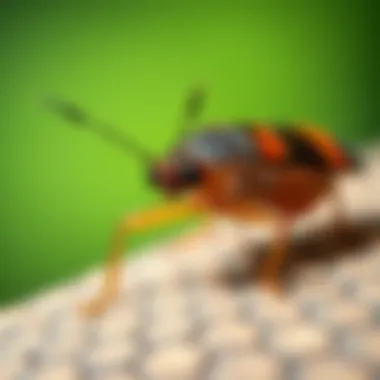
Waterbugs, with their flattened bodies and long antennae, can often come as an unwelcome surprise in many households. While they might look similar to cockroaches, there are key differences that set them apart, particularly in behavior and habitat. Commonly, you'll find them lurking near water sources, making them a bit of a nuisance, especially in humid climates.
Description of Common Pests
These creatures are primarily aquatic and generally thrive in dense vegetation near water. They are not, however, limited to moistened environments. Sometimes, they venture into homes, drawn in by the warmth or food sources. Waterbugs can be roughly two inches long, sporting a dark brown or black hue which allows them to blend into the shadows. Their elongated legs are excellent swimmers, making them quite agile in water.
Signs of Infestation
Determining an infestation isn't too difficult if you know what to look for. Here are some prevalent indicators:
- Sightings: Spotting one or two waterbugs isn’t always alarming, but repeated sightings mean you might have a larger issue.
- Droppings: Small, dark spots are an indication that these pests are not just passing through.
- Egg Cases: If you're lucky enough to stumble upon an egg case—often found in damp areas—it's a clear sign of a waterbug infestation.
"Understanding the behavior and signs of waterbug infestations is crucial for a swift response in pest management."
Prevention Techniques
There’s an old saying, "An ounce of prevention is worth a pound of cure." When it comes to dealing with waterbugs, this adage certainly holds water—pun intended. Prevention techniques consider both home maintenance and environmental modifications to keep these pesky invaders at bay.
Home Maintenance Tips
- Seal Entry Points: Inspect your home for cracks or openings, particularly around windows, doors, and pipes. Sealing these can significantly hinder their entry.
- Regular Clean-ups: Keeping your home clean is essential. Regularly taking out the trash and cleaning up spills promptly will remove potential food sources that attract these pests.
- Repair Leaks: Since waterbugs are attracted to moisture, fixing leaking faucets or pipes addresses one root cause directly.
Environmental Modifications
Modifying your immediate environment can discourage waterbugs from making themselves at home. Here’s what to consider:
- Yard Maintenance: Trim back overgrown vegetation around your house. Waterbugs enjoy dense foliage as it provides shelter.
- Drainage Systems: Ensure that your gutter and drainage systems are functioning properly. Standing water near your home creates the perfect breeding ground for waterbugs.
Eco-Friendly Pest Control Options
For homeowners and folks wary of chemicals, eco-friendly pest control methods come to the rescue. These alternatives not only target waterbugs effectively but also care for the environment as well.
Natural Pesticides
- Diatomaceous Earth: This natural substance can disrupt the exoskeleton of waterbugs, leading to dehydration. Sprinkle it in areas where you suspect their activity.
- Soap and Water: A simple mixture of soap and water can suffocate waterbugs on contact. It’s straightforward, non-toxic, and readily available.
Organic Pest Control Techniques
- Essential Oils: Oils like peppermint or tea tree oil can repel waterbugs due to their strong scents. Spray diluted solutions in areas prone to infestations.
- Borax: This mineral is recognized for its natural pest control properties. Sprinkling it in areas where waterbugs frequent can prove effective without harsh chemicals.
By applying these effective strategies, homeowners can retain control over their living spaces, maintaining a safe and comfortable environment free from waterbugs.
Understanding Waterbugs
Understanding waterbugs is crucial for effective management and prevention strategies in residential spaces. First off, these pests can be more than just a nuisance; they can also signal underlying issues with moisture levels within your home. Moreover, educating yourself about their biology and behavior gives you the tools to identify potential infestations before they escalate. It’s not just about removing the problem, but rather comprehending why it’s there in the first place. This knowledge empowers homeowners to take a proactive stance rather than a reactive one.
Biological Classification
Waterbugs belong to the order Hemiptera, which broadly classifies them as true bugs. Within this group, they fall into the family Belostomatidae, which encompasses various species commonly found in and around water. Scientifically, they have intriguing distinctions; for instance, the largest waterbug species—called the toe-biter—can grow up to four inches long. Understanding their classification isn't just voicing scientific terms; it provides insight into their behavioral traits and habitat preferences. The more you know about their biological makeup, the better you can tailor management strategies suitable for your unique environment.
Natural Habitat and Behavior
Waterbugs thrive in fresh water environments but have been known to wander into nearby homes, especially when searching for food or mates. Typically, they seek out stagnant water bodies like ponds, marshes, or even backyards with improper drainage. This preference brings them uncomfortably close to human habitation as water sources in the vicinity can supply a direct invitation.
"Waterbugs are often found near water sources, but a little understanding goes a long way in management."
Their behavior plays a vital role in their residential incursions. For example, waterbugs are primarily nocturnal creatures, preferring to forage for food at night. They are also predatory, feeding on a range of small insects and even small fish. This characteristic is essential to recognize because it affects how they navigate your home. Unlike many household pests, waterbugs can move quickly through water and are capable of surviving prolonged periods under the surface. These adaptations make them particularly resilient.
Identifying Waterbugs
Identifying waterbugs is a crucial step in managing their presence in your home. By recognizing them effectively, you can implement timely strategies to control their populations before they become a significant issue. Knowing what you're dealing with allows for tailored approaches—what works for one pest may not work for another. Hence, it’s vital to look closely at their physical characteristics and understand their life cycle.
Physical Characteristics
Size and Color
Waterbugs typically range from about one to four inches in length, with the larger species being more common in certain regions. Their body color varies, mostly appearing brown or dark gray, which allows them to blend into murky surroundings. This coloration is not just for show—it provides an excellent camouflage against predators. Recognizing size and color will help you differentiate waterbugs from similar pests like cockroaches.
Knowing the size is also beneficial because if you notice a larger specimen, it usually indicates you’re dealing with an adult, which can reproduce quickly. Thus, engaging with those insights can help homeowners address a prevailing problem sooner rather than later.
Distinctive Features
Waterbugs have a flat, oval shape, and their long antennae can reach half the length of their body. These characteristics assist in quick movements through water, making them efficient hunters. A unique feature of waterbugs is their large, hind legs, which resemble paddles. These legs are not just for show—they allow rapid swimming, showing how adapted they are to an aquatic lifestyle.
Recognizing such distinctive traits can streamline your identification process. If you spot something that looks like a waterbug, you'll be better equipped to confirm its identity based on its shape and paddling legs. The advantage here lies in prevention; distinct features can lead to easier identification, allowing you to avoid confusion with other similar pests.
Life Cycle and Reproduction
Waterbugs undergo a simple metamorphosis, consisting of three stages: egg, nymph, and adult. Understanding this cycle is vital for controlling populations. Females can lay hundreds of eggs over a breeding season, often sticking them to vegetation near water sources. The nymphs hatch and look like smaller versions of adults, quickly growing until they reach maturity.
Recognizing these stages is key. If you find eggs or nymphs in your home, it's a sign of a breeding site nearby. Addressing this promptly can significantly lower the chances of a larger infestation down the track. Being aware of waterbug habits, including their reproductive tendencies, allows homeowners to stay a step ahead.
Reasons for Infestation
Understanding why waterbugs invade your living space is crucial for effective management. By pinpointing the specific factors that contribute to their presence, homeowners can take preventive measures and form strategies that really put a damper on these resilient pests. What might seem trivial, such as a stagnant puddle or a broken window screen, can provide an open invitation for waterbugs. The significance of addressing these reasons extends beyond just immediate removal; it involves a holistic approach to your home environment.
Environmental Factors
Waterbugs are often found in damp environments, making environmental factors a key element in their habitation. They thrive in warm, moist conditions, preferring places like basements, bathrooms, and even kitchens. High humidity can act like a welcome mat for them. It’s vital that homeowners recognize the role their environment plays in attracting these critters.
- Humidity Control: Keeping your home dry is essential. Using dehumidifiers or air conditioning can help maintain optimal levels, reducing moisture that waterbugs crave.
- Temperature: Waterbugs are especially active in warmer climates, so consider (if it's an option) using fans or adjusting your thermostat to create a less inviting atmosphere.
- Debris and Clutter: Piles of laundry or uncleaned corners can trap moisture and offer a hiding spot. Keeping spaces tidy will not only reduce humidity but also minimize the nooks and crannies where waterbugs can hide.
These environmental factors can sometimes go unnoticed until it’s too late, so keeping an eye on them is just as important as implementing physical pest control methods.
Water Source Proximity
Another significant reason for waterbug infestations is their proximity to water sources. Waterbugs don’t just spring up out of nowhere. These pests are drawn to areas with ready access to water, and your home can unintentionally provide such a spot.
- Leaky Pipes: Even the smallest leak can create a breeding ground for waterbugs, so regular checks on plumbing are vital.
- Standing Water: Any water pooling in pots, basements, or sink drains will attract these pests. Make it a habit to clear out any standing water after rain or spills.
- Outdoor Features: If your yard has a pond, birdbath, or decorative fountain, be mindful of these water features. It’s important to keep these areas clean and free from extra debris, which can create a haven for bugs.
"An ounce of prevention is worth a pound of cure."
Taking proactive steps regarding water sources will not only prevent waterbugs but may also help you avoid other pests from taking up residence.
This understanding allows homeowners to systematically address potential problem areas, making infestations less likely. By acknowledging the environmental factors and proximity to water sources, you can create a less hospitable environment for waterbugs, reducing the risk of infestation in the first place.
Preventing Waterbugs in Your Home
Preventing waterbugs from invading your living space is crucial for maintaining a comfortable and hygienic environment. These pests thrive in damp conditions and can quickly spiral into an infestation if not dealt with effectively. By implementing proactive measures, homeowners can avert the disruption caused by unwanted waterbug guests. This section delves into key strategies that not only hinder the entry of these pests but also ensure your home remains a safe haven.
Eliminating Water Sources
Waterbugs are drawn to humidity and standing water; therefore, the first line of defense is to eliminate these water sources. Start by checking for leaks in faucets, pipes, and toilets. A slow drip can provide enough moisture to attract these critters. Additionally, ensure that shower doors and curtains are properly closed, and fix any tub or shower leaks promptly.
Here are some practical steps to minimize water presence:
- Fix leaks: Regularly inspect plumbing for leaks or moisture buildup.
- Dry surfaces: Wipe down kitchen counters and bathroom surfaces to keep them dry.
- Use dehumidifiers: In particularly humid areas like basements or bathrooms, a dehumidifier can reduce moisture levels effectively.
- Clear clogged drains: Ensure that drainage systems are free-flowing and won’t hold water.
By drying up these potential hot spots, you significantly decrease the likelihood of waterbugs setting up camp in your home.
Sealing Entry Points
Waterbugs are resourceful when it comes to finding their way inside. They can slip through the tiniest cracks and crevices, making it vital to seal any potential entry points around your home. Start with the basics:
- Windows and Doors: Check window screens for holes and repair or replace them as needed. Ensure doors are well-fitted and close tightly.
- Foundation Cracks: Inspect your home’s foundation for any cracks and fill these with sealant or expanding foam.
- Utility Lines: Look for gaps around utility lines entering your home. These can be sealed with caulk or appropriate sealing material.
Taking these steps might seem small, but collectively they can have a big impact on preventing waterbugs from making your home their new habitat.
Maintaining Cleanliness
Keeping your home clean is another crucial strategy in preventing waterbugs. Food particles, spilled liquids, and hidden messes can attract these pests like a magnet. Here’s how to maintain cleanliness effectively:
- Regular Cleaning Routines: Develop a daily cleaning schedule to keep your living spaces tidy. Pay special attention to kitchens and dining areas where food is prepared and served.
- Store Food Properly: Keep food in sealed containers and promptly clean any spills. Use airtight bins for grains and dry goods to avoid attracting pests.
- Trash Management: Use bins with tight-fitting lids and take out the garbage regularly. Avoid letting trash accumulate, especially if it’s food waste.
- Vacuum Often: Frequent vacuuming, particularly in corners and under furniture, can help remove any wandering crumbs or debris that waterbugs might find appealing.
By maintaining cleanliness, you not only deter waterbugs but also create a healthier environment for you and your family.
"An ounce of prevention is worth a pound of cure." This age-old adage emphasizes the need for proactive measures in pest management, particularly regarding waterbugs.
By following these preventive strategies, homeowners can significantly limit the chances of a waterbug infestation. Good habits and minor adjustments can turn into powerful weapons against these pesky invaders.
Recognizing Signs of Infestation
The first step in tackling waterbug infestations is recognizing their presence in your home. Ignoring the early signs can lead to a larger problem down the road—a situation no homeowner wishes to deal with. Knowing what to look for can save you time, effort, and potentially costly pest control services. Early detection not only enhances your control efforts but also minimizes the disruption these pests can cause.
This section highlights some of the crucial indicators that suggest a waterbug infestation is underway. From physical evidence to subtle yet distinct smells, being vigilant can make all the difference.
Visual Indicators
When it comes to spotting waterbugs, your eyes are your best ally. Keep an eagle eye out for specific visual cues that can confirm their unwelcome presence. The following elements are commonly seen:
- Physical Appearance: Adult waterbugs are brown and flat, measuring about one to four inches long. Their size can vary, but larger specimens usually signal a more significant presence.
- Exoskeletons: As these insects mature, they molt. Finding exoskeletons around your home, especially near moisture areas, can reveal that waterbugs are not only present but perhaps thriving.
- Trails or Droppings: Waterbugs may leave behind small dark droppings which can be found along surfaces or in corners. If you spot such debris, consider it a clear indicator of their activities.
"An ounce of prevention is worth a pound of cure," so being proactive about checking for these signs can save you from future headaches.
Odorous Signals
Waterbugs are infamous for their distinct, musty odor. This smell is often described as a damp, earthy scent, reminiscent of mold or decay, and it’s one of those signs you can’t ignore. Here’s why smells matter:
- Foul Smell: If you notice a strong, unpleasant smell, it could very well be the waterbugs signaling their presence. This scent is produced by their secretions and can become quite overpowering if left unchecked.
- Smell in Specific Areas: Pay attention to areas where waterbugs tend to congregate—like basements, kitchens, or bathrooms. If odors are particularly potent in these places, it's time to act.
Remember, the sooner you address any hints of waterbugs, the lesser the likelihood of a full scale infestation. Keeping your home pest-free hinges on your awareness of these signs.
Controlling Waterbug Populations
Managing waterbug populations is crucial for maintaining a comfortable living environment. With their penchant for thriving in damp spaces, these pests can wreak havoc if not handled effectively. The significance of controlling their numbers cannot be understated, as they are not just a nuisance; they can lead to potential health risks through the diseases they may carry. Homeowners must be proactive in their approach to pest control, which combines various methods to achieve long-term success.
Mechanical Methods
Traps and Barriers
Traps and barriers represent an effective mechanical approach. These devices are designed to capture waterbugs before they can establish a foothold in your home. One of the key characteristics of traps is their simplicity. Typically, they require no special skills to set up, making them an accessible option for most homeowners. The traps come in various designs, such as glue traps or sticky pads, which can be placed in strategic locations where waterbugs are likely to frequent.
A unique feature of traps is that they offer a non-toxic solution, which is especially beneficial for households with pets and children. However, their effectiveness can depend on proper placement and regular monitoring. While they might not eradicate an infestation alone, using traps in conjunction with other methods can significantly reduce populations.
"Using traps is like fishing; the better you know where the bugs gather, the more effective your catch will be."
Vacuum Applications
Using vacuum applications is another solid mechanical strategy for controlling waterbugs. This method stands out for its immediate effect—once you see a waterbug, a vacuum can eliminate the problem on the spot. Vacuums equipped with HEPA filters can capture even the finest particles, which may include eggs or tiny insects, thus preventing future infestations.
One key characteristic of vacuums is their versatility; they can reach hidden areas that are often hard to access, like corners and under furniture. However, it’s essential to empty the vacuum bag or canister immediately after use. Leaving it unattended can inadvertently give rise to another infestation. While using a vacuum provides quick results, it's worth noting that regular use is necessary to effectively diminish the waterbug population in the long run.
Chemical Controls
Insecticides
Chemical controls, particularly insecticides, offer another layer of defense against waterbugs. These substances are specifically formulated to target and eliminate pests effectively. The standout feature of insecticides is their potency; they can provide swift results when applied correctly. Many insecticides come in various forms, such as sprays and bait gels, which allow for targeted application depending on the severity of the infestation.
One significant advantage of using insecticides is their availability and ease of use. Homeowners can easily find these products in stores, and instructions for application are generally straightforward. However, it’s important to choose insecticides labeled for indoor use to avoid potential hazards. Over-reliance on chemical solutions can lead to resistance in the pest population, so incorporating other methods is advisable.
Natural Alternatives
Natural alternatives to chemical insecticides provide an eco-friendly approach to managing waterbug populations. Products that utilize essential oils, for instance, can repel waterbugs without harmful side effects. One of the key features of natural alternatives is their safety for humans and pets—this is especially appealing for individuals looking to be more conscious about their indoor environment.
These alternatives often require frequent application compared to traditional insecticides, as they may not have the same lasting power. However, they can be quite effective as a preventative measure. Moreover, they contribute less to chemical residues in your home, aligning with a more holistic approach to pest management. As such, natural alternatives can form an essential part of an integrated pest management strategy, allowing homeowners to synergize effectiveness without compromising safety.
Professional Pest Control Services
When dealing with waterbug infestations, sometimes the DIY methods simply don't cut it. That’s when the expertise of professionals comes into play. Hiring a pest control service can provide you with the knowledge and tools needed to effectively manage the situation. The expertise they possess is essential, especially when the problem escalates beyond minor sightings. Professional services often come equipped with advanced techniques and stronger treatments that can be beyond the reach of consumer products.
One of the main benefits of involving pest control experts is their ability to provide tailored solutions. They don't just apply a one-size-fits-all pesticide; instead, they assess your specific environment, taking into account the extent of the infestation, the layout of your home, and even the water sources nearby. This personalized approach is crucial because it addresses the root causes rather than just the symptoms of the problem, leading to more sustainable results.
Moreover, pest control technicians are trained to handle various chemicals and methods responsibly. Unlike other options that might put your family and pets at risk, professionals ensure that treatments are applied safely and effectively. Their training also encompasses knowledge about complying with local regulations, making them a safer choice for dealing with a problem that could affect your community as well.
"In cases of significant infestations, waiting too long can turn a manageable situation into a costly problem."
When to Call an Exterminator


Recognizing the right moment to call in a professional can save you a world of headaches down the line. Generally, if you spot three or more waterbugs in your home, it might be time to reach for the phone. Infestations frequently grow exponentially, and attempting to address the situation alone may only encourage a larger population.
Another sign that it's time to contact an exterminator is if you experience repeated sightings, particularly in various areas of your home. Waterbugs are not only unsightly, but they can also indicate greater issues, such as moisture problems. If you notice a stagnant smell or condensation around windows, walls, or plumbing fixtures, that’s a red flag.
Additionally, if you've already attempted at-home remedies—like traps or sprays—and found them lacking, don’t hesitate to make that call. This isn't a failure on your part; rather, it’s a wise recognition of the complexity of the issue.
What to Expect from Pest Control Services
Engaging a pest control service can be a turning point in tackling waterbug issues. Typically, the initial step involves a thorough inspection of your home. This examination allows the technician to identify not just the bug problem but also any potential contributing factors, such as moisture levels that could lead to future issues. Expect them to check hidden spots, too, like behind appliances or in basements.
Following the inspection, they will discuss their findings and suggest a tailored action plan. This could involve a range of treatment options, from targeted chemical applications to natural alternatives depending on your comfort level and preferences.
Post-treatment, many services offer follow-up inspections or treatments. This ensures that the infestation is truly under control and that your home remains an unwelcoming environment for these pests. Importantly, the exterminator will also provide guidance on preventive measures to help you safeguard your home moving forward.
In summary, professional pest control services bring both expertise and a broad array of options to the table. Recognizing the signs that warrant an expert touch can ensure that your home remains safe, clean, and free from unwelcome waterbug residents.
Health Risks Associated with Waterbugs
Understanding the health risks associated with waterbugs is crucial. While these pests may seem like just a nuisance, their presence in your home can pose significant threats to the health of your family. This section explores the potential dangers and allergic reactions that can arise from these uninvited guests, ensuring you are well-informed about why proper management is absolutely necessary.
Potential Disease Transmission
Waterbugs, with their proclivity for damp environments, can come into contact with a variety of pathogens as they scuttle around. Primarily, they are known to be carriers of certain bacteria that could lead to infections in humans. While they’re not directly pointed to being disease transmitters like some other pests, the hygiene concerns surrounding infestations shouldn’t be brushed aside. Here’s what you ought to know:
- Bacterial Contamination: These creatures might inhabit areas where there’s stagnant water, which often harbors bacteria like E. coli or Salmonella. If you're not careful and food prep areas are contaminated by their droppings or body parts, it may lead to foodborne illnesses.
- Vector Potential: Though rare, they could potentially spread organisms that lead to disease by contaminating surfaces or food with pathogens.
In sum, while the direct disease transmission isn’t very common, the risks connected to their habitation near food and living spaces can’t be overlooked. Regular monitoring and prompt action when you see signs of waterbugs can help in mitigating these risks before they spiral out of control.
Allergic Reactions
Just the thought of unwanted pests in your home can be stressful, and for some folks, waterbugs can trigger allergic reactions too. When these bugs die or their body parts are shed, they release allergens that might be problematic for sensitive individuals. Here are some aspects to think about:
- Symptoms: People who have allergies might experience things like sneezing, itchy eyes, or skin rashes. For those with asthma or similar conditions, the presence of allergens can exacerbate symptoms, leading to breathing difficulties.
- Environment Impact: Allergens released by these bugs are not only found on their exoskeletons but can circulate in the air throughout your home, getting into couches, carpets, and vents — which can turn your casa into a ticking health bomb if left unchecked.
To sum it up, knowing the potential health risks posed by waterbugs can better prepare you to take action. By implementing effective management strategies, such as keeping your environment clean and monitoring for signs of infestation, you can safeguard your home and family against these health threats.
Proper health management starts with knowledge. A vigilant homeowner is less likely to suffer the consequences of pest infestations.
Long-term Management Strategies
Addressing the presence of waterbugs requires a strategic approach, particularly when looking beyond immediate solutions. Long-term management strategies are crucial in ensuring these pests do not become a recurrent issue in your home. The significance lies not just in eliminating their current presence, but in creating an environment less conducive to their survival. Such strategies can save homeowners time, money, and effort over the long haul.
Monitoring Techniques
Keeping track of waterbug activity in your home is the first line of defense in long-term management. Monitoring techniques allow you to detect the problem before it escalates. Regular inspections, especially in areas where moisture tends to accumulate, is essential. Look out for:
- Dark, damp corners of your home, including basements, bathrooms, and places under sinks.
- Droppings: Tiny, dark specks can indicate an infestation.
- Egg cases: They resemble small, brownish flecks and can often be found hidden in crevices.
Set up simple monitoring traps such as sticky pads in vulnerable areas. Checking these every few days can help you gauge the activity level of waterbugs in your home. If you notice an uptick in activity, it's clear action is required to reinforce your defenses.
Seasonal Considerations
In the battle against waterbugs, understanding their seasonal behavior can greatly enhance your management strategy. Waterbugs often seek shelter indoors as the weather changes, which makes certain times of the year particularly critical for a preemptive approach.
During warmer months, ensure that outdoor cleanliness remains paramount:
- Clear debris from around your house—overgrown vegetation or piles of leaves can provide ideal hiding spots.
- Repair any leaks and seal outdoor grading to deter water sources that attract waterbugs into the home.
As the seasons transition, particularly from summer to fall, consider increasing your preventative inspections. This jump in vigilance can make all the difference, keeping your home safe from unwanted guests as they look for cozy winter homes.
"An ounce of prevention is worth a pound of cure". Regular monitoring and seasonal checks uphold this wisdom, preventing small issues from growing into larger infestations.
In summary, the effectiveness of long-term management strategies hinges on a thorough understanding of both monitoring techniques and seasonal behaviors. By integrating these practices into your routine, you not only bolster your home against waterbugs but also foster a living space that promotes overall hygiene and safety.
Culmination
In wrapping up, it’s crucial to appreciate the nuanced reality of managing waterbugs within your home. These pests are more than merely invaders; they symbolize a larger issue tied to environmental health and domestic comfort. With the intricate balance of understanding their behavior and habitats, the informed strategies discussed throughout this article shed light on how you can effectively minimize their presence.
Firstly, recognizing the confluence of preventive measures and active control methods forms the backbone of an effective management plan. Homeowners should prioritize keeping living spaces dry and clutter-free, effectively diminishing the shelter that waterbugs seek. Regular cleaning, sealing entry points, and promptly addressing leaks are not just important—they're vital to stave off potential infestations.
Secondly, it’s necessary to comprehend that the impact of waterbugs extends beyond mere annoyance. They can trigger allergic reactions and carry allergens, which could impair the quality of life for sensitive family members. This aspect of health risk further solidifies the need for proactive management.
"An ounce of prevention is worth a pound of cure." This familiar saying encapsulates the very essence of managing any pest effectively. Revisiting and applying the strategies mentioned earlier can significantly mitigate future challenges, turning your home back into a haven.
Lastly, remember that while some might resort to quick fixes like chemical treatments, a long-term perspective focusing on eco-friendly solutions will yield the most sustainable results. Engaging with professionals when infestations escalate beyond personal control ensures safety and effective eradication.
In summary, understanding waterbugs and applying informed strategies is not just about tackling a pest issue; it’s a woven approach to improving household health and comfort. By remaining vigilant and proactive, it’s entirely possible to keep your home a waterbug-free zone.