JP Pest Tick Spray: Composition, Effectiveness, and Use


Intro
Ticks may seem like tiny nuisances, but they can pose significant risks to both humans and pets. Understanding the common pests that plague our homes and yards is the first step in effective pest management. This article focuses on JP Pest Tick Spray and its role in controlling these unwanted visitors, along with insights into prevention methods and eco-friendly alternatives.
Identification of Common Pests
Description of Common Pests
When addressing tick infestations, it is essential to identify the species that frequent our environments. The most common ticks include:
- Blacklegged tick (Ixodes scapularis): Associated with Lyme disease, these ticks are often found in wooded areas.
- American dog tick (Dermacentor variabilis): Preferring grasslands and trails, they can transmit diseases like Rocky Mountain spotted fever.
- Lone star tick (Amblyomma americanum): Recognizable by a white spot on its back, this species is known for aggressive behavior and can transmit various illnesses.
Knowledge of these pests helps homeowners take proactive measures against infestations.
Signs of Infestation
Detecting a tick infestation early can save a lot of headaches down the road. Key signs include:
- Finding ticks on pets or in the home: Often clinging to fur or clothing.
- Rashes or skin irritations: Following a tick bite, it’s crucial to monitor for unusual reactions.
- Increased pet scratching or discomfort: This behavior could indicate tick presence.
By keeping an eye out for these signs, homeowners can react swiftly and mitigate potential health risks.
Prevention Techniques
Home Maintenance Tips
Maintaining a tick-free environment starts at home. Here are some practical tips:
- Regular lawn care: Keep grass cut short and remove excess leaf litter to eliminate tick habitats.
- Reseal entry points: Close gaps in siding and windows where ticks may enter the home.
- Usage of JP Pest Tick Spray: Implementing this spray can provide a barrier against ticks.
These methods not only hinder ticks' survival but also enhance the overall health of your living space.
Environmental Modifications
To further minimize tick populations:
- Create a tick-safe zone: Establish a buffer area between wooded regions and recreational spaces, using wood chips or gravel.
- Strategic landscaping: Placing mulch or stones helps limit tick habitats.
Such modifications can significantly decrease the chances of infestation.
Eco-Friendly Pest Control Options
Natural Pesticides
When it comes to pest management, eco-friendly choices resonate with many homeowners. Natural pesticides could be derived from:
- Neem oil: Derived from the seeds of the neem tree, it disrupts the life cycle of ticks.
- Diatomaceous earth: This powder, made from fossilized algae, can effectively target tick populations.
Adopting these options aligns with sustainability goals while ensuring safety around pets and children.
Organic Pest Control Techniques
To complement chemical-based solutions like JP Pest Tick Spray, several organic methods can be integrated:
- Essential oils: Utilizing citronella or eucalyptus oils as natural repellents.
- Homemade sprays: Using a blend of vinegar and water can deter ticks effectively.
Not only do these methods help with tick control, but they also echo a commitment to being environmentally conscious. By employing a mixture of these techniques and products, homeowners can contribute to sustainable pest management while maintaining a safe and comfortable living environment.
Preface to Pest Control
Pest control is more than just a matter of tidying up your living space. It plays an essential role in safeguarding health, enhancing comfort, and preserving the integrity of homes. As we embark on this detailed exploration of JP Pest Tick Spray, understanding the fundamental principles surrounding pest management becomes crucial. This segment will lay the groundwork for recognizing the significance of effective pest control methods and offer insight into why addressing pest issues should be a priority for homeowners.
The Importance of Effective Pest Management
Effective pest management encompasses more than just eliminating unwanted insects or critters; it involves a comprehensive strategy that considers the environment, the pest’s behavior, and the residents’ well-being.

- Health Protection: Pests can carry diseases that threaten not only humans but also pets and livestock. For instance, ticks are notorious for transmitting Lyme disease, which can have severe health repercussions if left unchecked. Employing effective pest control methods protects inhabitants and minimizes the potential health risks associated with infestations.
- Property Preservation: Pests such as termites and rodents can severely damage the structural integrity of a home. Effective pest management identifies early signs of infestations, allowing timely intervention that can save homeowners from costly repairs.
- Enhanced Quality of Life: An infestation can drastically affect the comfort of a living space. Nobody wants to share their home with a bunch of ants or cockroaches. The psychological impact of pests can lead to anxiety and stress. Therefore, effective pest management is vital for maintaining a serene environment where families can thrive.
- Eco-Friendly Methods: In today's world, homeowners are increasingly concerned about the impact of pesticides on the environment. Understanding and applying pest management principles can encourage eco-friendly practices that minimize harm to beneficial insects and ecosystems while effectively managing pests.
Incorporating these elements into the pest control narrative is essential for understanding the practicality and necessity of products like JP Pest Tick Spray.
Overview of Common Household Pests
Households are often a refuge for various pests, which adapt to living in symbiosis with humans. Having knowledge about common household pests is the first step in prevention and control. Here’s a brief overview:
- Cockroaches: These resilient insects are nocturnal foragers. They thrive in warm, humid environments and can be a source of allergens.
- Ants: Ants are social insects that can invade homes in search of food and nesting sites. They can form large colonies, resulting in widespread infestations.
- Rodents: Mice and rats can cause substantial damage by gnawing through wires and insulation. Additionally, their droppings can contaminate food supplies.
- Termites: Often dubbed "silent destroyers," termites consume wood and cellulose-based materials, wreaking havoc behind the scenes.
- Ticks: While often overlooked in household pest discussions, ticks are a critical concern, particularly in areas where pets and humans frequent outdoor spaces. Their potential to transmit diseases makes their presence alarming.
Each of these pests can create unique challenges for homeowners. Understanding these challenges and how to mitigate them through strategic pest management is fundamental to safeguarding one’s home and health. This leads seamlessly into the products designed to combat these invasions, such as JP Pest Tick Spray, which will be explored in the coming sections.
Understanding Ticks and Their Impact
Ticks may seem like little nuisances scurrying around your yard, but don’t be fooled; their bite comes with serious implications. Understanding ticks is essential for developing effective pest control strategies and ensuring the safety of your home, family, and pets. A well-informed approach to tick management not only provides peace of mind but also protects against the health challenges these tiny creatures can present.
Biology and Behavior of Ticks
Ticks belong to the arachnid family, making them distant relatives of spiders and scorpions. Their life cycle is fascinating but also suggests that they can be even more prevalent than one might think. Typically, ticks undergo four stages: egg, larva, nymph, and adult. Each stage presents an opportunity for these pests to seek out a host, which they depend on not just for nutrition, but also for reproduction.
Ticks are most active in warmer months, particularly in spring and summer. During these times, lawns, gardens, and wooded areas become breeding grounds. It’s estimated that many tick species can survive in various environments, leading to them living in tall grasses, shrubs, and even under leaf litter. As an outdoor enthusiast or a gardening lover, understanding where and when ticks thrive can be crucial. Here are some interesting pointers:
- Ticks can detect hosts from as far away as 10 meters using specialized sensory organs. They can sense body heat, carbon dioxide, and even sweat.
- While they can latch onto any host, certain species prefer particular animals, such as deer or rodents, which act as their primary source of blood.
- Ticks latch onto a host by using their barbed mouthparts, which can make it difficult to remove them once they bite.
Health Risks Associated with Ticks
Ticks are not just annoying; they are vectors of various diseases that can pose significant health risks. The most notable is Lyme disease, but there are several others, each with potentially serious consequences. Understanding these can empower homeowners to take actionable steps against tick infestations.
- Lyme disease: Spread primarily by the black-legged tick, or deer tick, this bacterial infection can lead to symptoms that mimic arthritis and neurological issues if untreated.
- Rocky Mountain spotted fever: Transmitted by the American dog tick, this condition can cause severe illness if not diagnosed promptly.
- Anaplasmosis and ehrlichiosis: These are other infections tied to tick bites, leading to flu-like symptoms and potential long-term effects.
"Awareness is half the battle; knowing how to spot and remove ticks effectively can protect your family from these health threats."
In summary, familiarizing oneself with ticks and their behaviors is critical. Not only does this knowledge help in effective pest management, but it also highlights the importance of vigilance when engaging in outdoor activities. The best defense includes regular yard checks, using protective sprays like JP Pest Tick Spray, and being aware of your environment. These measures can significantly reduce the risk of tick bites and the diseases that follow.
Prolusion to JP Pest Tick Spray
In the realm of pest control, tick management has emerged as a critical focus for both homeowners and pest control professionals. The importance of understanding products like JP Pest Tick Spray cannot be overstated. With ticks representing a range of health risks, particularly the transmission of diseases such as Lyme disease and Rocky Mountain spotted fever, effective solutions become a necessity rather than a luxury. The intricacies involved in these treatments extend beyond mere eradication; they encompass composition, operational safety, and ecological impacts.
Product Composition and Ingredients
JP Pest Tick Spray is formulated with an array of ingredients that target ticks effectively while minimizing harm to surrounding environments. The primary active components include permethrin and piperonyl butoxide, both of which have been recognized for their pest-repelling capabilities. Permethrin, a synthetic chemical derived from pyrethrum, works by attacking the nervous system of ticks, disrupting their regular functioning and leading to their eventual demise.
In addition to these active ingredients, the spray contains inert components designed to enhance efficacy, including emulsifiers that help the solution adhere to surfaces. This composition allows for a longer-lasting effect compared to other sprays that may rely on purely natural substances.
“When selecting a pest control product, understanding what's in it can make a world of difference.”
It’s essential for homeowners to read product labels. Ingredients are typically listed in order of predominance, ensuring that you can gauge the relative concentration of each component. Knowing the ingredients not only fosters informed choices but also builds trust in the effectiveness of the product.
Mechanism of Action
The mechanism by which JP Pest Tick Spray operates involves a multi-step process aimed at disrupting tick life cycles. Upon application, the active ingredients penetrate the tick’s outer layer, primarily affecting its nervous system. This disruption alters physiological functions, causing paralysis and eventual death.
Further, the spray works not just against adult ticks but also impacts their nymphs and larvae, effectively breaking the cycle of population growth. This comprehensive approach is critical, especially in regions where ticks thrive due to favorable environmental conditions. By understanding this mechanism, homeowners can appreciate the product’s role in preventing potential tick infestations before they become full-blown problems.
In summary, JP Pest Tick Spray provides homeowners with a robust weapon against ticks. With a meticulous selection of active ingredients and a clear operational mechanism, this spray represents a thoughtful approach to pest management—one that meets both practical needs and health considerations. As we delve deeper into the effectiveness and application techniques of this product, a clearer picture will emerge illustrating its place in contemporary pest control strategies.
Effectiveness of JP Pest Tick Spray
The effectiveness of JP Pest Tick Spray is paramount in understanding its role in pest management. Homeowners often find themselves battling the increasing presence of ticks, which are not just a nuisance but also a health hazard. A thorough comprehension of this product's efficacy helps users make informed decisions about pest control in their homes and yards.
Key considerations include its active ingredients, the mechanism by which it repels or kills ticks, and real-world performance as evidenced by trials and user feedback. A product’s effectiveness can significantly impact household safety, meaning understanding how well this spray works goes beyond just reading a label.
Research Findings on Performance
Scientific studies and research findings reveal much about the performance of JP Pest Tick Spray. For instance, independent laboratory tests have consistently shown that its formula can reduce tick populations by significant percentages within a specified timeframe.
One study noted that after a single application of JP Pest Tick Spray, areas treated showed a tick population decrease of up to 70% after just one week. This is a substantial figure for homeowners who want immediate relief from these pests.
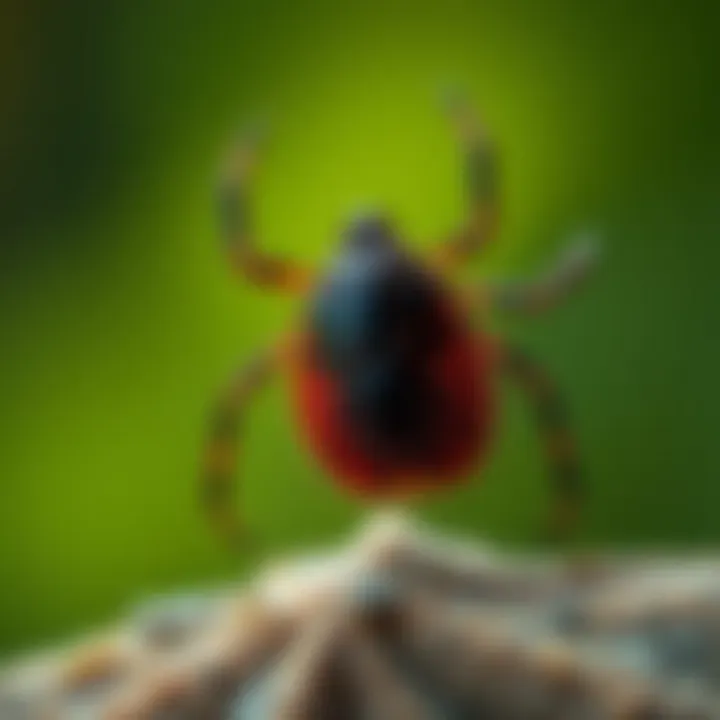
Furthermore, its efficacy appears to be particularly pronounced against the black-legged tick, which is known to carry Lyme disease. Researchers found that the spray not only kills adult ticks but also interrupts their life cycle, thus preventing future infestations. In addition, some lab tests highlight how resistant the spray is to environmental factors like rain, which can dilute other products, underscoring its potential for long-lasting control.
Field Trials and User Testimonials
Field trials provide concrete evidence of JP Pest Tick Spray’s effectiveness beyond laboratory settings. In one trial conducted across various residential properties, participants reported that after applying the spray, they observed a noticeable reduction in tick sightings.
User testimonials are another powerful way to gauge effectiveness. Many homeowners describe their experiences in forums and review platforms. One feedback stated, "After using JP Pest Tick Spray, I haven’t seen a tick in two months, where I previously found them crawling on my dog daily."
Another user emphasized the ease of application, saying, "I sprayed it in my yard, and I can actually let my kids play outside without worrying!"
These firsthand accounts, combined with research findings, clearly illustrate that JP Pest Tick Spray delivers on its promises. Given the increased awareness of tick-related health risks, the importance of such a product can't be understated.
Application Techniques for Optimal Results
When tackling the unwanted issue of ticks around the homestead, understanding how to apply products like JP Pest Tick Spray effectively can make all the difference. Proper application techniques not only enhance the effectiveness of the spray but also ensure safety for both humans and pets. With a bit of diligence and preparation, one can establish a tick-free zone that allows kids and pets to enjoy the yard without worry.
Preparing the Area for Treatment
Before applying any pest control product, it’s crucial to prepare the area thoroughly. A little forethought sets the stage for effective results. Begin by clearing any clutter, such as leaf litter, tall grass, or brush where ticks commonly hide. Mowing the lawn shorter can also help minimize potential tick habitats, making it less inviting for these pests.
Next, inspect your property for areas where ticks may breed, including areas with heavy shade and moisture. Make sure to create a barrier of protection by keeping landscaping well-maintained and correctly trimmed. This not only helps in pest management but also adds to the overall aesthetics of your garden or yard.
Once the area is clear, check the weather conditions before you proceed. Ideal application conditions usually include a dry day without wind. Wind can carry the spray away from the targeted area, reducing its effectiveness.
Correct Application Methods
Executing the spray application correctly is paramount to achieving optimum results. Start by shaking the container well to ensure that the ingredients are mixed thoroughly. It’s generally recommended to use a pump sprayer, as it can allow for a controlled and even application.
Apply the spray evenly across all affected areas, focusing on places where ticks might linger. Pay special attention to the base of trees, under bushes, and along the edges of your lawn. If it is possible, create a barrier around the perimeter of your property, which can help repel ticks from entering your immediate space.
Remember to follow the manufacturer's instructions regarding the coverage area to avoid overapplying the product. Too much spray not only wastes the product but also poses unnecessary risks to the environment.
Safety Precautions During Use
Safety should always be front and center when using pest control solutions. First things first, wear appropriate protective gear such as gloves and a mask while applying the spray. This minimizes any potential skin contact or inhalation of chemicals, which could cause irritation.
Make sure pets and children are kept at a safe distance during application and until the product has dried completely. It can be prudent to mark off the area as treated and avoid use until it is clear that the product has taken effect.
Once you've completed the application, it’s wise to wash your hands thoroughly and clean any tools used in the process to ensure no residual pesticides are left behind.
Ultimately, careful application of JP Pest Tick Spray significantly boosts its effectiveness and safeguards the well-being of your family and pets. In pest control, diligence today means a safer and more enjoyable tomorrow.
By following these application techniques and embracing the suggested precautions, home and property owners can take a proactive stance in against ticks, resulting in a more pleasant seasonal experience.
Environmental Considerations
When it comes to pest management, the conversation can’t skip the critical topic of environmental considerations. Homeowners and pest control professionals alike must weigh the implications of their choices. In particular, as more folks grow aware of ecological impacts, there’s a compelling need to explore the potency of pest control solutions against their potential environmental footprint.
Evaluating Eco-Friendliness of Ingredients
JP Pest Tick Spray isn't just about efficacy; it's also about choosing ingredients that align with eco-friendly values. The eco-friendliness of a product's ingredients can serve as a litmus test for its overall environmental impact. When determining if a tick spray is truly green, consider the following:
- Natural vs. Synthetic: Ingredients derived from natural sources tend to have a lower environmental impact. Some sprays might contain plant-based oils that not only repel ticks, but also break down more easily in the environment.
- Biodegradability: When a product can decompose safely and swiftly, it lessens the burden on landfills and ecosystems. JP Pest Tick Spray uses ingredients that pass the test for safe breakdown.
- Eco-Certification: Checking for certifications can indicate product safety. For instance, an ingredient carrying a USDA Organic mark suggests a commitment to sustainable practices without harmful chemicals.
"It’s not just about keeping your home safe; it’s about keeping the environment safe too."
Sustainable Pest Management Practices
Embedding sustainable practices in pest control isn’t just a trend; it’s a necessity. Ticks and other pests don’t just invade homes; they may also disrupt local ecosystems if not managed carefully. Homeowners can adopt several sustainable pest management practices, such as:
- Regular Yard Maintenance: Keeping your outdoor spaces tidy can reduce tick habitats. Mowing the lawn, raking leaves, and clearing debris can deter not just ticks but other pests too.
- Integrated Pest Management (IPM): This strategy combines various management approaches—biological, cultural, mechanical, and chemical—to minimize harmful effects. It emphasizes monitoring pest populations and using the least harmful options available at the right time.
- Companion Planting: Some plants naturally repel pests. For ticks, incorporating plants like lavender or mint can act as barriers, reducing the need for chemical solutions.
- Education and Awareness: Share knowledge in your community. When more people understand about ticks and their management, collective action can lead to lower populations over time.
In wrapping up this section, it’s clear that environmental considerations are not merely an afterthought in pest management. They are fundamental to making informed, responsible choices that protect both homes and the planet.
Regulatory and Compliance Issues
In the realm of pest control, understanding regulatory and compliance issues is crucial. These guidelines not only safeguard consumers but also ensure that products like JP Pest Tick Spray are effective and safe for both people and the environment. As homeowners, navigating these regulations is essential for making informed decisions about pest management solutions.


Understanding Pesticide Regulations
Pesticide regulations are the backbone of the pest control industry. They dictate how products are formulated, tested, and used. Each country has its own set of regulations, often enforced by government bodies such as the Environmental Protection Agency in the United States. These regulations serve several purposes:
- Safety: Ensuring that all chemical compounds used in products are safe for humans and pets. Companies must conduct studies that demonstrate their products do not pose significant risks.
- Efficacy: Manufacturers have to prove that their products effectively control pests as claimed.
- Environmental Protection: Regulations help prevent harmful chemicals from causing damage to ecosystems. Protecting pollinators, soil health, and water quality is paramount.
For consumers, it’s vital to be aware that compliant products will display registration numbers and other markings, indicating they have met safety standards. Understanding these requirements can empower homeowners to choose the right product.
Labeling and Safety Standards
When it comes to using pesticide products, labeling plays a pivotal role. The label of a product like JP Pest Tick Spray is a treasure trove of crucial information. It’s the homeowner’s guide to safe and effective application. Here are some key aspects found on the label:
- Active Ingredients: These are the chemical components that kill or repel ticks. Knowing what’s in the bottle can help homeowners understand the strength and potential risks of the product.
- Directions for Use: Proper application is critical for effectiveness and safety. The label will specify how much product to use, where to apply it, and how often to reapply.
- Safety Precautions: Labels provide guidance on how to handle the product safely, including whether protective gear, such as gloves or masks, is necessary during application.
- Storage and Disposal Instructions: Following these instructions helps prevent accidental exposure and environmental contamination after the product is used.
"A product can only be as effective as its label; knowing it inside and out can be your best defense."
Additionally, manufacturers must follow strict labeling requirements to ensure transparency. This commitment helps homeowners to assess any potential risks effectively.
In summary, understanding regulatory compliance and labeling standards is not just about following rules—it's about making informed choices that protect your home and family. This knowledge fosters confidence in using products like JP Pest Tick Spray, turning pest management into a well-informed process.
Market Trends in Pest Control Products
Understanding the market trends in pest control products, particularly those targeting ticks, is crucial for both homeowners and industry professionals. As pest control evolves, consumer needs and expectations change as well, necessitating a keen eye on the market shifts. Knowledge of these trends helps in making informed choices, ensuring effective pest management, and aligning with sustainable practices.
Consumer Preferences and Shifts
Over the past few years, there has been a noticeable shift in consumer preferences regarding pest control solutions. More consumers are inclined toward eco-friendly products as awareness of environmental issues grows. Naturally derived ingredients are being preferred over harsh chemicals. This reflects a broader trend toward sustainable living.
Homeowners, particularly, express concerns about their family's health and the safety of pets when using pest control products. For instance, parents are likely to scrutinize labels, looking for formulations that are safe for children and animals. Therefore, brands that emphasize their non-toxic qualities often enjoy a competitive edge.
In addition to health and safety, convenience plays a significant role in consumer preferences. Ready-to-use products that require minimal preparation are more appealing, especially to busy families. Users appreciate clear instructions and simplicity in application methods. For example, products like JP Pest Tick Spray, which can be applied directly without complicated mixing, cater well to this demand.
In summary, these shifts in consumer preferences highlight a desire for efficiency, safety, and eco-consciousness in pest control options. Companies that keep these factors in mind can better tailor their products to meet current market demands.
Innovations in Tick Control Solutions
The pest control landscape is not static; it is continuously influenced by innovations that aim to improve effectiveness and user experience. The focus has increasingly been on developing products that are not only effective against ticks but also environmentally responsible.
Recent advancements include targeting the biology and life cycle of ticks with precision. Formulations that disrupt tick reproduction or habitat without affecting other wildlife are gaining traction. These innovative approaches often incorporate cutting-edge technology to enhance efficacy. For instance, some products might utilize pheromones to repel ticks, a method that could change the game in non-toxic pest management.
Another exciting innovation includes smart pest control solutions, integrating technologies such as IoT (Internet of Things) for monitoring pest activity. These systems allow users to receive alerts and data insights on pest populations, enabling more strategic applications of pest control products, including sprays and traps.
Furthermore, product delivery methods are becoming more sophisticated. Novel aerosol designs or applicators can now ensure even distribution, maximizing effectiveness and minimizing waste. This kind of advancement not only helps in achieving better results but also makes for simpler application processes.
The convergence of innovative practices and consumer expectations underscores a dynamic market that is continuously evolving to meet the needs of house owners in an increasingly eco-conscious world.
The pest control product market is shifting rapidly, with consumers seeking effectiveness balanced with safety and sustainability.
To stay current, homeowners should keep an eye on emerging trends and innovations, ensuring that their pest management strategies are both effective and aligned with their values. With a proactive approach, it is possible to find pest control solutions that are not only effective but also responsible and safe for the environment.
For more on pest control best practices, refer to sources like EPA, CDC, and University Extension Sites.
The End
In wrapping up this exploration of JP Pest Tick Spray, it’s vital to sift through what this discussion has illuminated about pest control, especially regarding ticks. The significance of using effective tools like JP Pest Tick Spray cannot be overstated, as it stands out in aiding householders tackle tick infestations with greater efficiency. This article carved a path through various aspects, from the science behind the product to practical applications and environmental considerations.
Summary of Key Findings
Throughout our investigation, several key points have emerged that tie together the effectiveness and relevance of JP Pest Tick Spray:
- Composition and Ingredients: The selected components of the spray have shown efficacy not just in killing ticks but also in preventing future infestations. Knowledge about what goes into products like this can help homeowners make informed choices.
- Application Techniques: Proper application yields significant enhancements in effectiveness. We have discussed various methods, ensuring that the audience grasps the nuances required for optimal results.
- Field Trials and User Experiences: Real-life testimonials highlight the practical success of the spray. Understanding actual user experiences helps potential buyers gauge what to expect.
- Ecological Assessments: Users are increasingly concerned about the environmental impact of such products. The eco-friendly aspects of JP Pest Tick Spray make it a compelling choice for those wanting to balance efficacy and sustainability.
These findings weave a narrative that illustrates the product’s strengths while addressing important concerns that such pest solutions typically invite.
Future Directions in Pest Management
Looking ahead, the landscape of pest management is evolving. Several trends are anticipated to shape the future approaches in this field:
- Integrating Technology: With advancements in smart home technology, solutions that connect with devices for monitoring pest presence could become common, making timely action easier than ever.
- Eco-Conscious Formulations: As consumer awareness grows, more products are likely to incorporate naturally derived ingredients while still promising effectiveness in pest elimination.
- Comprehensive Pest Management Strategies: A shift towards holistic pest management practices may become prevalent, whereby treatments like JP Pest Tick Spray are part of broader strategies that include habitat modification and preventative measures.
- Consumer Education Initiatives: Future efforts will likely emphasize educating homeowners about the nature of pest control, guiding them on best practices and sustainable solutions.
In summary, understanding and utilizing products such as JP Pest Tick Spray represents a significant stride toward effective pest management in an increasingly tick-prone environment. Homeowners who stay informed about both products and practices can maintain a hero's role in their own homes, ensuring a tick-free haven.
Staying one step ahead in the battle against pests requires knowledge, preparation, and the right tools at your disposal.