Innovative Insect Identification through Photography

Intro
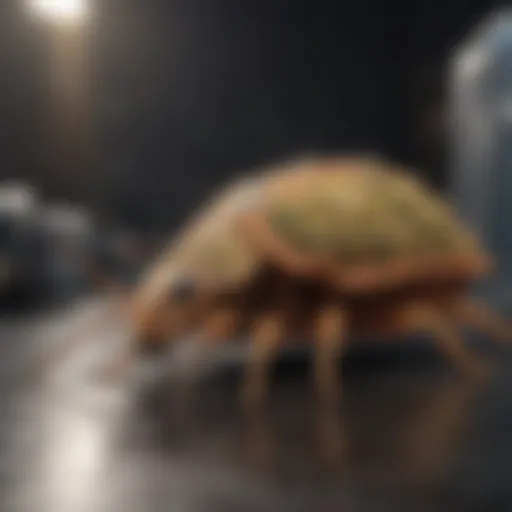
Insects are everywhere, and while we may not always notice them, they play a crucial role in our ecosystems. However, when they invade our homes, they can cause not only frustration but also damage to our belongings. Understanding how to identify these common pests is key to effective control and management. With advancements in technology, especially in photography, identifying insects has become more accessible than ever. Photographic analysis allows homeowners to better understand what they’re dealing with, enhancing pest control strategies and helping to minimize infestations.
Identification of Common Pests
Description of Common Pests
Identifying pests in your home often starts with knowing the common culprits. Some frequent offenders include ants, cockroaches, and termites. Let's take a closer look at some of these pests:
- Ants: These tiny insects can be a real bother, often marching in lines as they scavenge for food. Different species, like the odorous house ant or carpenter ant, can indicate various degrees of trouble.
- Cockroaches: Known for their resilience, cockroaches are unwanted guests. They thrive in damp environments and can reproduce quickly if not addressed.
- Termites: These wood-eating insects are notorious for their capacity to damage structural wood in homes.
Signs of Infestation
Being proactive is vital when it comes to pest control. Knowing what signs to look for can help you tackle an infestation before it spirals out of control. Some signs to keep an eye out for include:
- Droppings: Small, dark droppings found near the infestation site can indicate the presence of insects.
- Hollow Sounds: If you knock on wood and hear a hollow sound, it might suggest that termites are munching away inside.
- Nesting Materials: Look for bits of paper, wood, or fabric that could be indicative of nesting sites.
Utilizing Photographic Techniques
When you come across these signs, snapping a photo can provide helpful documentation. Use your smartphone or a good camera to capture clear images. Ensure the photos are well-lit and focused; these details can help in accurately identifying the pest. You can use various online resources or apps designed for insect identification. This method isn’t just for experts anymore—homeowners can access a wealth of information with a simple click.
"Photographic evidence can make the difference between a minor annoyance and a full-blown infestation."
Prevention Techniques
Prevention is always better than cure, as the old saying goes. Keeping pests at bay involves some practical steps that every homeowner can take.
Home Maintenance Tips
- Seal Cracks: Inspect your home for cracks around windows and doors. Seal any gaps that could let pests get in.
- Store Food Properly: Keep food in airtight containers to avoid attracting pests. Simple changes, like using glass jars, can make a real difference.
Environmental Modifications
Sometimes, it's a matter of adjusting your environment to make it less inviting to pests:
- Maintain Cleanliness: Regularly clean countertops and sweep floors. Don’t leave food crumbs lying around.
- Outdoor Care: Trim back any overgrown plants or shrubs near your house; this can deter pests from entering.
Eco-Friendly Pest Control Options
As concerns about chemical pesticides grow, eco-friendly alternatives are gaining traction. Here’s how you can engage in pest control while being kind to the environment.
Natural Pesticides
Homemade solutions can be effective and safe. A simple mixture of vinegar and water can deter ants or cockroaches. Essential oils, like peppermint or tea tree oil, are often used as natural repellents.
Organic Pest Control Techniques
You can also adopt organic approaches:
- Beneficial Insects: Introduce natural predators like ladybugs and lacewings into your garden to combat pests.
- Companion Planting: Plant herbs like basil or mint alongside your vegetables to repel harmful insects naturally.
Preface to Insect Identification
In today's world, understanding the intricate web of life around us includes recognizing the diverse insect population. Identification of insects is not merely a hobby; it's a fundamental aspect of ecology, agriculture, and public health. The importance of accurate identification cannot be overstated. It’s like searching for a needle in a haystack, where precision is key. When homeowners can accurately identify insects, they gain significant advantages, whether it's for pest control, protecting their gardens, or simply nurturing an appreciation for nature.
Accurate data on insect populations informs pest control strategies, helping to distinguish between beneficial and harmful species. For instance, if one mistakenly identifies a ladybug as a harmful pest, the consequences can ripple through a garden ecosystem. Knowledge is power; it can help in making informed decisions that not only benefit individual households but also contribute to broader ecological health.
Additionally, with the ever-increasing impact of climate change, understanding local insect populations aids in monitoring environmental changes. Insects react sensitively to shifts in temperature and habitat, making them vital indicators. Homeowners exploring their backyards through the lens of photography can not only enjoy a rewarding pastime but also contribute valuable data to the field of entomology.
The Importance of Accurate Identification
The need for precise insect identification transcends academic interest; it touches everyday life. Misidentifying an insect can lead to unwanted applications of pesticides. Homeowners eager to eliminate pests might nap with a canister of spray in hand, unaware they are targeting helpful pollinators—a disaster waiting to unfold. Some insects, like bees and butterflies, play a critical role in pollination; without them, gardens and crops could suffer. Accurate identification fosters a more harmonious relationship between humans and insects.
Accurate identification also means knowing when to act and when to observe. Some insects, such as ladybugs and hoverflies, are natural predators of aphids and other garden pests. Understanding which insects are allies and which are adversaries allows gardeners to create balanced, thriving ecosystems. This knowledge empowers homeowners to apply more organic methods of pest control, aligning with an increasing trend of environmentally conscious living.
A Brief History of Entomology
Entomology, the study of insects, has a rich historical narrative that stretches back centuries. Ancient cultures, from the Egyptians who revered beetles to the Celts who saw beauty in the humble fly, demonstrated early human fascination with these creatures. Fast forward to the 18th century, the father of modern taxonomy, Carl Linnaeus, played a crucial role in classifying insects and other organisms, laying the groundwork for how we identify species today. Without his method of binomial nomenclature, the communication about insects would remain a chaotic jumble.
Throughout the decades, the field has evolved dramatically. The invention of the microscope in the 17th century opened up new worlds of observation, allowing scientists to study insect anatomy with newfound clarity. Jumping forward to the 20th century, advancements in photography and digital technology revolutionized entomological studies. Today, entomologists rely on a range of tools, including DNA analysis and sophisticated image processing, to identify and classify insects.
This historical trajectory reflects a growing understanding of the role insects play in both the environment and human society. As we plunge further into the digital age, the intersection of photography and entomology continues to expand, facilitating not just identification, but also appreciation for these complex life forms that share our spaces.
Principles of Photographic Insect Identification
Understanding the principles of photographic insect identification is crucial for anyone looking to accurately identify various insect species. This section outlines how photography can enhance the identification process and what key factors individuals should consider when capturing images of insects. The integration of photographic methods can demystify the complexities of entomology and makes it accessible to a broader audience, including homeowners and nature enthusiasts.
By using photographs, not only can one capture a visual representation of an insect, but one can also document specific features that are vital for accurate identification. Key elements include scalability, the ability to highlight distinguishing features, and the convenience of sharing information through digital platforms. These principles are not merely theoretical; they translate into practical benefits for everyday life, from pest control to enhancing one's backyard biodiversity.
How Photographic Analysis Works
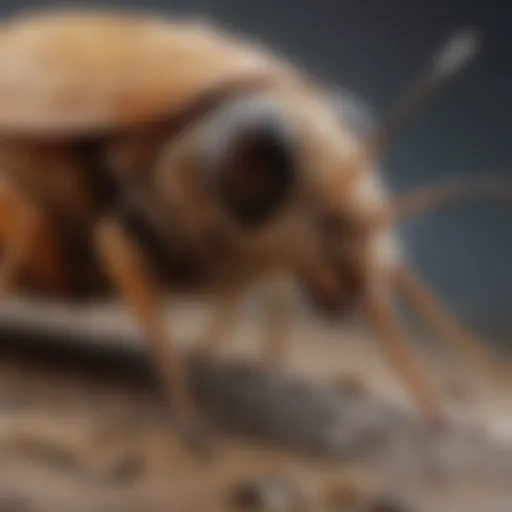
Photographic analysis relies on various techniques that combine the art of photography with scientific accuracy. The basic premise is to capture clear, focused images of insects that allow for detailed examination of their physical characteristics. From antennae to colors and patterns, each detail plays a significant role.
To start with, the camera acts as a microscope; it must be equipped properly. A high-resolution image is foundational. This resolution permits the viewer to zoom in on features without loss of detail. For example, when capturing an image of a ladybug, it’s crucial to focus on distinguishing traits such as the number of black spots or the coloration of its exoskeleton. This level of detail is often missed with the naked eye but becomes apparent in a photograph.
Next, the process involves softwares that allow for image enhancement, which can be helpful in revealing hidden details. Often, simple adjustments to brightness and contrast bring out features that were otherwise obscured. If a picture is worth a thousand words, a well-captured insect photograph might be worth a thousand classifications!
The Role of Light and Focus
Light and focus are the unsung heroes of any successful photographic analysis. Without them, even the most talented photographer can end up with images that lack clarity and precision. First, let’s talk about light. Lighting conditions dramatically influence how an insect is perceived in an image. Natural light is often best; it provides a balanced spectrum of colors, which helps in the accurate portrayal of the insect’s features. Ideally, photos should be taken during the golden hours—early morning or late afternoon—when light is soft and warm.
On the flip side, focus brings the insect into sharp relief. A blurred image can lead to confusion and, ultimately, misidentification. Using a macro lens can greatly enhance focus, allowing for extreme close-ups that reveal the smallest of details. Since many insects are quite small, achieving that level of focus may require stabilization equipment such as tripods, particularly in outdoor environments where wind or movement is a factor.
"Proper lighting combined with sharp focus is vital for capturing those distinctive traits that aid in identification."
In addition, adjusting depth of field can emphasize specific features of an insect while softening the background, making identification much clearer. This attention to detail is imperative for both casual observers and professionals alike—and it’s what separates an average photograph from an exceptional one.
Ultimately, mastering these principles will advance one's ability to decode the complexities of insect identification through photographic analysis, contributing not only to personal exploration but also to broader ecological understanding.
Tools for Insect Identification via Photo
Understanding the tools available for insect identification through photography is crucial. With today’s technology, anyone can snap a photo, and with the right tools, identify insects swiftly and accurately. For homeowners and DIY enthusiasts, these tools can make a significant difference. Knowing how to effectively use them can transform pest control from an overwhelming task into a manageable undertaking.
The tools for insect identification can be categorized largely into smartphone applications and digital databases. Each offers unique benefits and considerations, enhancing our ability to recognize various insect species with relative ease.
Smartphone Applications for Pest Identification
Features of Popular Apps
Popular apps for insect identification come packed with features. For example, many allow users to take photos and instantly receive potential matches based on visual recognition algorithms. One standout is iNaturalist, which not only identifies insects but also gathers data for scientific use. Its ability to connect users with a community of experts is another significant advantage, providing an avenue for further learning and validation.
Additionally, features such as location tagging make it easier to keep track of where particular insects were spotted, which can be vital for understanding pest behavior. However, while these apps are handy, they do have limitations in accuracy based on the quality of the photographs submitted. The reliance on good lighting and clarity is essential for the best results.
User Interfaces and Experience
When using these applications, the user interface plays a critical role in enhancing the experience. Many apps are designed to be intuitive, making it easy for users to navigate through different menus. A good example is Seek by iNaturalist, which is user-friendly, ideal for those who might not be technologically savvy.
Most of these apps incorporate a simple layout, allowing users to view results quickly. Nevertheless, some still struggle with lag in response or crashes, which can be frustrating. Ease of use should be a strong consideration, particularly for those less experienced with technology.
Digital Databases and Online Resources
Utilizing Databases Effectively
Digital databases are an invaluable resource for proper insect identification. They host a vast amount of information that can be accessed easily. For instance, BugGuide.net offers an extensive collection of images and data about North American insects that anyone can browse.
The ability to search by different parameters, such as color, environment, or geographic location, makes these databases not just useful but powerful. A key characteristic is community engagement; registered users can submit observations that contribute to a larger body of knowledge. However, without a discerning eye, it’s easy to misinterpret information, so cross-referencing data remains essential.
Open-Source Contributions
Open-source platforms have significantly advanced insect identification methods. Websites like Wikimedia Commons allow users to upload and share images freely, contributing to a shared knowledge pool. These resources not only democratize information but also create various perspectives on insect identification gained from diverse users.
The downside can be the variability in image quality and descriptions. Some contributions may not meet scientific standards, making verification processes critical. Nonetheless, this approach fosters communal learning, which can be greatly beneficial for amateur enthusiasts and experts alike.

"Proper identification of insects can lead to better pest management strategies and a healthier ecosystem."
Techniques for Successful Image Capture
Best Practices for Photographic Evidence
Avoiding Common Mistakes
Getting quality images isn't simply about having the latest gadget; it's about knowing how to avoid common mistakes in the field. One prevalent pitfall is neglecting to check your focus. Blurry photographs, especially those taken in a hurry, can lead to confusion and ultimately delay correct identification. Properly framed images with clear details—think textures and colors—are key.
Another misstep is the failure to account for lighting conditions. Inadequate lighting can wash out colors or obscure details, making it difficult for even seasoned entomologists to deduce species. Understanding the role of natural light as well as using additional sources, if needed, can significantly improve your chances of getting that perfect shot. Additionally, having a steady hand or a firm setup becomes paramount as shaking can ruin an ideal image.
So, consciously avoiding these common pitfalls goes a long way in ensuring that your photographic evidence serves its purpose effectively.
Choosing the Right Equipment
When it comes to choosing the right equipment, it's not just about spending big bucks on the fanciest camera you find online. Finding a camera that balances features with practicality is what counts. Many entry-level DSLRs or even high-end smartphones can perform remarkably well in capturing insects, particularly when paired with appropriate lenses. Investing in macro lenses if you plan on doing close-ups is often a smart move, enabling you to capture intricate details that would otherwise go unnoticed.
Moreover, each piece of equipment brings its own set of advantages and drawbacks. While professional cameras offer flexibility, they also come with complexities that might be overwhelming for beginners. On the other hand, smartphone cameras are incredibly user-friendly but may have limitations in advanced photography settings. Therefore, weigh your options against your level of comfort and your specific identification needs.
Capturing Details: Macro Photography
Understanding Magnification
Delving into macro photography means getting up close and personal with your subjects, and that's where understanding magnification comes into play. Knowing how much detail you need—from the unique characteristics of an insect's wing to the texture of its body—can inform your choice of equipment and technique. While many cameras have a macro setting, not all deliver the same quality.
The true power of macro photography lies in its capacity to reveal details invisible to the naked eye. This is particularly crucial for species identification, where minute differences can mean the difference between, say, a harmless ladybug and a more dangerous pest species.
However, too much magnification without adequate focus can lead to frustration. Getting those close-ups demands a steady setup, which brings us to the next technique.
Stabilization Techniques
No one wants to lose a perfect shot due to shaky hands. Thus, stabilization techniques are pivotal for capturing clear images, especially when photographing tiny, fast-moving insects. A tripod is often a go-to tool for stability, allowing you to focus on composing the shot without the worry of camera shake. Alternatively, using a hand grip or stabilizer can keep your device steady while still allowing you some mobility.
Beyond physical stabilization, consider utilizing remote shutter releases as they prevent any movement during the photo-taking process. When every detail matters, a solid image can hinge on the very technique you employ to hold your camera.
In summary, understanding the nuances of photographing insects can significantly improve identification accuracy, tailoring your approach to the lens and lighting available. Homeowners and enthusiasts alike should take these tips seriously, as better photographs pave the way for more effective pest management strategies. Each technique, when combined thoughtfully, enhances the chances of capturing sharp, clear images that can tell the story of the insect in front of you.
Identification Challenges and Limitations
In the realm of insect identification through photographic analysis, acknowledging the challenges and limitations is essential. Despite the advancements in technology and the tools available today, problems persist that can thwart accurate identification. Understanding these hiccups not only equips enthusiasts and professionals alike with foresight but also emphasizes the need for diligent practices.
"Recognizing the potential pitfalls in identifying insects can significantly reduce errors and improve outcomes."
Common Errors in Identification
Identifying insects from photographs can be a tricky business. Many enthusiasts, even the pros, sometimes stumble upon common errors that can lead to misclassification. Here are some frequent mistakes:
- Blurred Images: A muddy photo can obscure the crucial features of an insect, making identity a guessing game. Poor focus blurs not just the image but the details needed for accurate identification.
- Ignoring Context: Failing to take environmental factors into account can skew identification. For instance, a photo of an insect on a particular plant without consideration of its habitat may lead to a wrong assumption.
- Oversimplifying Characteristics: Some insects display extreme variability even within the same species. Not paying attention to subtle differences, such as color variations or small morphological traits, can result in flawed conclusions.
- Reliance on Single Angles: Only capturing an insect from one perspective can limit understanding. Certain characteristics can only be fully appreciated from different angles—like a chin not being prominent from the front view but crucial from the side.
These errors highlight the need for a multifaceted approach to identification—zooming in on details, considering context, and employing multiple images can enhance accuracy.
Environmental Factors Affecting Photos
Environmental conditions play an unexpected but significant role in the success of photographic insect identification. Here are some critical considerations:
- Lighting Conditions: Natural light can shift drastically throughout the day. Harsh sunlight may create shadows, obscuring key features. Soft, diffused light often reveals more details, thus enhancing image quality.
- Background Clutter: A busy background can easily confuse both the human eye and the software trying to analyze the photo. Ideally, opt for a clean backdrop that allows the insect to stand out clearly.
- Weather Impacts: Wind, rain, or humidity can alter how and when insects are visible. Inclement weather can also affect the camera’s performance, resulting in subpar images.
- Seasonal Variations: Different times of the year can affect insect appearance significantly. Colors and even body shapes may alter due to molting or seasonal adaptations.
By accounting for these environmental factors, enthusiasts can vastly improve the quality of their photographs, leading to more reliable identification practices.
Applications of Photographic Insect Identification
Photographic insect identification is not just a sophisticated technique; it is a bridge connecting everyday people with the intricate world of entomology. This approach serves numerous purposes, from assisting homeowners in managing uninvited guests to providing professionals with tools that enhance their services. Understanding these applications is crucial for anyone interested in pest management or simply curious about the insects around them.
Homeowners and DIY Enthusiasts
Immediate Action in Pest Control
When pests invade your home, time is of the essence. One of the most significant advantages of photography in insect identification is its ability to allow homeowners to act quickly. Armed with just a smartphone camera, individuals can snap a picture of a pesky insect and, within minutes, analyze it through available apps or online databases. The ability to quickly identify an intruder means that appropriate measures can be taken sooner rather than later.
This immediacy is invaluable, especially when certain pests can cause extensive damage or health risks. For instance, identifying a termite can drastically change a homeowner's response, saving both time and money. However, despite its strengths, reliance on instantaneous identifications might lead to mistakes, particularly when the user isn’t certain of the identification from the photo.
Preventive Measures
Photographic insect identification can also play a key role in preventive measures. Homeowners who engage in proactive pest management benefit significantly from understanding what insects are commonplace in their area. They can take steps to safeguard their homes against pest invasions, like sealing cracks or installing screens—mitigating the risks before they evolve into issues.
These preventative actions are often overlooked but can save both stress and expense down the line. By regularly photographing and identifying insects encountered, homeowners can build a reference library, which further enhances their ability to stay ahead of problems. One disadvantage, however, is that it can lead to unnecessary anxiety over harmless insects that one might mistake for pests.
Professional Pest Control Services
Enhancing Service Quality
For professionals in the pest control industry, the use of photographic insect identification is a game changer. It allows technicians to approach their work with a higher level of confidence. Accurately identifying a pest at the initial consultation can mean the difference between a one-time visit and multiple service calls. This accuracy not only increases customer satisfaction but it also builds trust with clients.
Further, the integration of high-resolution images into reports makes communication more effective. Clients have a clearer understanding of what they are dealing with, which can enhance their willingness to follow recommended actions. While professionals are trained to identify common pests, this technology serves as a useful backup, ensuring that they remain sharp and accurate in their assessments.
Streamlining Detection Processes
Finally, photographic analysis streamlines detection processes for pest control services. Using photographs, technicians can quickly consult databases or even share images with entomologists for confirmation, speeding up the decision-making process. This fast track method is ideal in emergency situations where the pest poses an immediate risk to health or property.
Professional services are increasingly relying on this tech to optimize their workflows. However, it’s important to note that over-reliance on photographic tools may delay the hands-on examination that could yield more detailed information.
"Innovative approaches like photographic analysis empower both homeowners and professionals to bridge the gap in pest management, ensuring better outcomes for all involved."
The Future of Insect Identification Technology
In the fiercely evolving landscape of technology, insect identification is on the verge of a major leap. This section lays out the crossroads where entomology meets cutting-edge innovations, particularly the roles of artificial intelligence (AI) and machine learning. These developments hold the promise of transforming how we identify insects, making the process less daunting for homeowners and enthusiasts alike.
Advancements in AI and Machine Learning
Potential Impacts on Accuracy
As we dive into the potential impacts of advancements in AI and machine learning, it's clear that these technologies are game changers. The incorporation of sophisticated algorithms allows for quicker image processing and improved identification accuracy. This enhancement happens largely because AI can analyze vast datasets far more efficiently than any human can. Imagine snapping a quick photo of an insect in your backyard and getting instant feedback on its species. This kind of immediacy can guide homeowners in making educated decisions concerning pest management.
Furthermore, these technologies continually learn from user interactions, creating a developing knowledge base. Thus, the accuracy rate improves over time, leading to fewer misidentifications. This can be particularly beneficial, as misidentifying a pest could lead to ineffective treatment methods, not to mention potentially harmful consequences for non-target species. In essence, using AI can streamline the identification process, allowing users to not only identify but also anticipate pest problems before they escalate.
Integration with Existing Tools
Now, let’s turn to the integration of AI with existing tools—this is the technological glue that promises seamless functionality. By melding smart devices, such as smartphones and cameras, with intelligent identification algorithms, we reach a new level of convenience and practicality. Users can simply pair their existing photographic tools with new apps designed for insect identification.
One standout feature in this arena is the usage of image recognition technology that can automatically match captured images to comprehensive insect databases. This aspect simplifies the entire process of identification and makes it more accessible to everyone, regardless of their experience level. Homeowners, for instance, can use these tools to determine the best course of action in pest control, ensuring they do not misapply treatments that could be ineffective or, worse, harmful.
It's worth noting that while most new tools promise enhanced capabilities, their effectiveness depends significantly on the quality of the existing data feeding these systems. Therefore, the most successful integrations will work with reputable databases and will focus on evolving the toolset as more data becomes available.
Forecasting Trends in Entomology
Looking ahead, it’s crucial to identify emerging trends in entomology to predict how they might shape the future of insect identification. One emerging trend is the rise of citizen science, where regular folks contribute to data collection via smartphone apps. This grassroots effort can significantly bolster the available data on insect populations, enhancing the overall quality of identification tools. Encouraging people to photograph and record their small-scale observations contributes to a larger scientific understanding.
Moreover, as environmental concerns heighten, there will likely be a push towards more sustainable pest management practices informed by current identification technologies. Homeowners are becoming increasingly conscious of the ecological footprints of their actions. Hence, blending technology with ecological awareness can result in more responsible pest control choices that prioritize both effectiveness and environmental health.
Ultimately, the integration of AI, citizen science, and sustainability-focused approaches positions insect identification at a promising intersection of technology, ecology, and community engagement.
Closure
Summary of Key Insights
Throughout this discourse, we have laid bare several key insights that highlight the potency of photographic insect identification. For starters, the rise of smartphone applications has democratized this practice, allowing for quick identifications at one’s fingertips. The ability to capture detailed images fosters an environment where both identification and error minimization coalesce. Additionally, we touched on how digital databases serve as invaluable resources, offering rich repositories of knowledge accessible to anyone trying to distinguish between venomous and non-venomous species.
"Knowledge is power, and in the realm of pest control, understanding what you are dealing with is a game-changer."
This article also scrutinized the challenges faced in this domain. From common identification errors to environmental factors like lighting and focus that can affect image quality, it’s essential to approach this process with care and consideration. As we look towards the future of insect identification technology, the integration of AI and machine learning emerges as a beacon of hope, promising to enhance accuracy and streamline the overall identification process.
Encouragement for Continued Exploration
As we wrap up this journey into the world of insect identification through photography, it’s important to encourage readers to persist in their exploration. The implications of what you’ve learned extend far beyond the pages of this article and into the everyday life of homeowners and the professional realm alike. Each photo captured offers a glimpse into ecosystems and pest dynamics that, when understood, can promote effective pest control and environmental stewardship.
Consider setting aside some time to scout your garden or even your home for insects that pique your curiosity. Take the plunge with a camera or smartphone in hand, and document your findings. On top of personal growth, these observations could contribute valuable data to online platforms and forums that aim to enhance collective knowledge in entomology.
For resources and to share your findings, sites like www.inaturalist.org or reddit.com/r/entomology can be excellent places to connect with like-minded enthusiasts. 🐞 Don’t hesitate to investigate and engage with your environment—you never know what you might discover.
In the end, the art and science of insect identification is an ongoing journey, one that continually evolves as technology advances and our understanding deepens. Embrace it wholeheartedly!