Understanding Allergies to Fire Ant Stings and Treatments


Intro
Fire ants are small, yet their impact on human health can be quite significant. When it comes to allergies, fire ant stings are a common concern, especially in regions where these pests thrive. Understanding why some individuals react adversely to these stings is crucial for effective management and safety. This article delves into the core aspects of fire ant sting allergies, covering the mechanisms behind allergic reactions, the various symptoms that can manifest after a sting, and feasible treatment options available to those affected.
It’s essential to recognize that not everyone will have an allergic reaction to fire ant stings, but for those who do, the impact can be serious.
Identification of Common Pests
Description of Common Pests
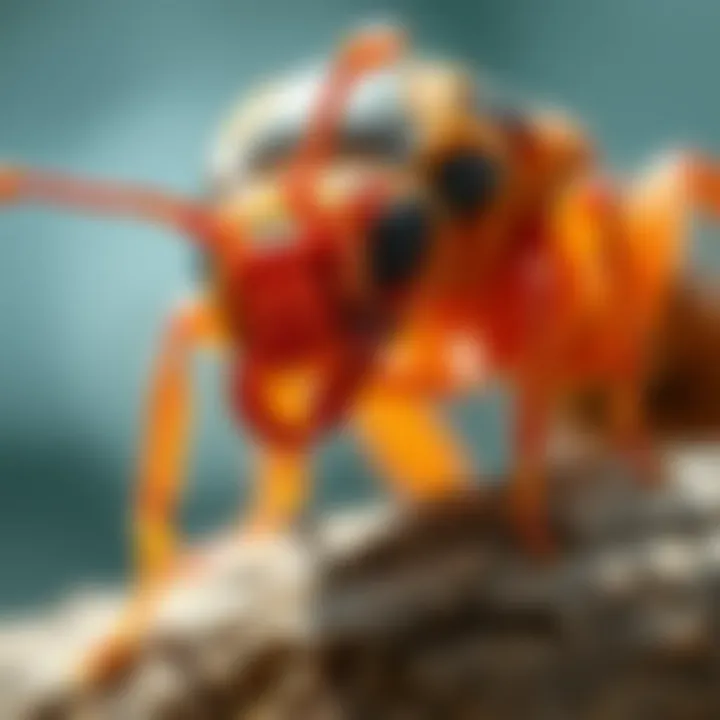
Fire ants, particularly the red import fire ant, Solenopsis invicta, are notorious in the southern parts of the United States and other warm climates. They live in large colonies and are often found in open, sunny areas. Identifying these pests is the first step in managing their stings effectively. Fire ants generally have a reddish-brown color, with their worker ants ranging from 1/8 to 1/4 inch long, characterized by their aggressive nature when disturbed.
Signs of Infestation
The presence of fire ants is noticeable by several markers:
- Mounds: Fire ant colonies create distinct mounds in the soil, typically 1 to 2 feet in diameter. These mounds can reach up to a foot tall.
- Aggressive Behavior: When their territory is threatened, fire ants are quick to swarm and sting.
- Visual Confirmation: Seeing swarms of ants when mowing or gardening can be a clear sign of an infestation.
Paying attention to these signs helps in effectively controlling fire ant populations and preventing unfortunate stings.
Prevention Techniques
Home Maintenance Tips
Effective pest management starts at home. Here are some practices that can help you reduce the risk of fire ant infestations:
- Regular Lawn Care: Maintain your lawn by keeping it short and trimmed, making it less appealing for fire ants to nest.
- Remove Food Sources: Clear away any food debris, spills, or pet food laying around your home exterior. Fire ants are always on the lookout for easy meals.
- Seal Cracks and Openings: Ensure that any gaps in your home’s foundation or walls are sealed to prevent entry.
Environmental Modifications
Making adjustments to your landscape can also deter fire ants:
- Use Barriers: Consider using barriers or trenches filled with gravel around your yard to inhibit movement into your property.
- Water Management: Ensure that drainage systems direct water away from your yard. Fire ants prefer well-drained, arid conditions.
Eco-Friendly Pest Control Options
Natural Pesticides
For those wanting to avoid harsh chemicals, natural pesticides are available. These options may not be as effective as chemical solutions, but they're safer for the environment. Some examples include:
- Diatomaceous Earth: This natural powder can manage fire ant populations effectively when applied to areas frequented by ants.
- Neem Oil: Derived from the seeds of the neem tree, this oil acts as a natural insect repellent.
Organic Pest Control Techniques
Implementing organic pest control techniques serves as a holistic approach:
- Boric Acid: Mixing boric acid with sugar can attract and poison fire ants when strategically placed around mounds.
- Vinegar Solution: Spraying a mixture of vinegar and water on the mounds may disrupt their activity without lingering chemical residues.
Prologue to Fire Ants
Fire ants are more than just a common pest; they present significant challenges in many areas where they thrive. Understanding their existence is crucial, not just for those who suffer from stings and potential allergies, but also for anyone involved in outdoor activities or pest management. These ants, known for their painful stings and aggressive behavior, are prevalent in various regions across the United States and beyond. Knowledge about fire ants can help people avoid contact, recognize their nests, and take preventive measures to reduce the risk of stings.
Characteristics of Fire Ants
Fire ants are most often recognized by their reddish-brown coloration, with workers varying in size from about 2 mm to 6 mm. They tend to form large colonies that can host thousands of individuals, and their presence can often go unnoticed until they attack. Their stings are distinctive, causing a fiery pain that feels like burning. This pain is caused by venom that contains a mixture of alkaloids and proteins, which can trigger an allergic reaction in some individuals.
While the physical attributes are important, it’s the behavior of fire ants that truly sets them apart. When threatened, they will readily defend their nests, biting to latch on and then injecting their venom repeatedly. This aggressive behavior can catch those unprepared off-guard, particularly in yard settings or during picnics in parks.
Geographical Distribution


Fire ants are primarily found in the southern regions of the United States but their range has been expanding. Originating from South America, species like the Red Imported Fire Ant have now made their way into many states, particularly Texas, Florida, and California. They thrive in warm climates and can often be found in disturbed areas such as lawns, roadsides, or agricultural fields. Their adaptability to various environments has allowed them to colonize rapidly, making them a staple in the pest control discussions in these regions.
Neighbors to fire ants, such as house owners, should be aware of their presence. Understanding where these pests typically dwell is half the battle when it comes to prevention and management strategies.
Behavior and Nesting Habits
Fire ants are known for their notable nesting habits. They create large mounds that can reach a foot in height and can often be seen dotted across fields and yards when the weather is warm. These nests are not just simple mounds; they are complex structures with tunnels and chambers that serve different purposes, including nurseries for their young.
The social structure within these colonies is also fascinating. Each colony is organized with a queen, workers, and sometimes males—the latter's sole purpose being reproduction. Worker ants are the ones who gather food, defend the colony, and care for the queen's offspring. Their foraging behavior means they will travel considerable distances away from their nest, searching for food sources, which can lead to unintentional human encounters.
By comprehensively understanding these characteristics, distribution patterns, and behaviors, readers can not only improve their personal safety but also better appreciate the ecological role that fire ants play. This groundwork sets the stage for further exploration into how these insects become a nuisance and a potential health hazard through allergic reactions.
The Nature of Allergic Reactions
Understanding the nature of allergic reactions to fire ant stings is critical for anyone living in areas where these pests are prevalent. Allergic reactions bring forth a complex sequence of events in the body that can range from mild discomfort to life-threatening situations. The unique composition of fire ant venom triggers this complex interplay and knowing it can empower individuals to handle stings effectively.
This section delves into two main areas: how the immune system responds to these allergens and identifying what specific allergens are present in fire ant venom. Both elements are essential for understanding why some people react severely to fire ant stings while others do not.
Immune System Response
When a fire ant stings, it injects venom containing a cocktail of proteins. For individuals who are allergic, the immune system reacts excessively to these proteins. This overreaction is a result of the body misidentifying harmless proteins as threats. The immune system mistakenly ramps up its defenses, leading to the release of histamines and other chemicals in the body.
To explain this further:
- B Cells: These are white blood cells that produce antibodies. When a person is first stung by a fire ant, their immune system may create specific antibodies for the venom.
- Histamines: These chemical compounds cause many of the symptoms associated with allergic reactions, such as swelling, redness, and itching. They act to dilate blood vessels and increase permeability, which leads to fluid leakage into tissues, causing puffiness.
- Anaphylaxis: In severe cases, this allergic response can escalate to anaphylaxis, a condition where the entire body reacts, leading to breathing difficulties, a rapid drop in blood pressure, or fainting.
Recognizing these components can aid in understanding personal reactions and preparing for potential encounters with fire ants. It places individuals in a position to better manage the risks associated with outdoor activities in affected regions.
Common Allergens in Fire Ant Venom
Fire ant venom contains several key proteins that can trigger allergic reactions. These can vary somewhat between different fire ant species, yet the following compounds are commonly accepted as significant allergens:
- Solenopsin: This alkaloid is responsible for many of the painful symptoms associated with stings. It’s a key player in instigating the immune response.
- Phospholipases: These enzymes can damage cell membranes and induce inflammation, which exacerbates pain and swelling.
- Proteases: These proteins breakdown and modify other proteins within the body, triggering further immune responses.
Notably:
- Some individuals may have a high tolerance to certain allergens, while others might react instantaneously upon first exposure.
- Genetic predispositions and previous exposure play vital roles in determining one's allergic potential.
Understanding these allergens can provide insight into how to approach prevention and treatment.
Important Consideration: Individuals who have experienced severe reactions to other insect stings may be at a greater risk for similar reactions to fire ant stings, making awareness and understanding even more crucial.
In sum, comprehending the immune system's response and the specific allergens in fire ant venom is essential for managing fears or concerns about allergic reactions. Knowledge equips individuals, allowing them to better guard themselves against fire ants and their painful stings.
Symptoms of Fire Ant Allergies
Understanding the symptoms associated with fire ant allergies is crucial for several reasons. Recognizing these symptoms can empower individuals to respond swiftly to a sting and seek appropriate treatment, preventing more severe health issues. Additionally, a clear grasp of these signs can guide people in managing their environment and making informed decisions about outdoor activities, especially in areas known to be infested with fire ants.
Mild Reactions
Mild reactions to fire ant stings typically manifest as localized discomfort. The most common symptoms include:
- Redness and Swelling: The site of the sting may become red, swollen, and tender. This is usually the body's immediate response to the venom.
- Itching: Many individuals experience an itch around the sting site, which can be quite bothersome but is generally manageable.
- Pain: A burning or sharp pain immediately following the sting is common, often described as a sensation similar to a bee sting.
For most people, these symptoms resolve within a few hours to a couple of days. However, even mild reactions can be annoying, and it's important to monitor for any changes. Sometimes, what starts as a mild reaction can evolve if not treated or if more stings occur.
Severe Reactions
Some individuals may have a more robust response to fire ant venom, resulting in severe reactions. These can be alarming and require immediate medical attention. Key symptoms of severe reactions include:


- Widespread Hives: Unlike mild localized itching, severe allergic responses can lead to hives that can appear across the body, often preceding other more dangerous symptoms.
- Facial Swelling: Swelling in the face, particularly around the lips, tongue, and throat, can create breathing difficulties and should not be taken lightly.
- Gastrointestinal Distress: Symptoms such as nausea, vomiting, and diarrhea may occur as the body tries to expel the allergen.
If these symptoms arise, it is essential to move quickly—assisting in reducing the chance of progression to a life-threatening stage. Immediate treatment with antihistamines or visiting an emergency room can ensure safety and recovery.
Anaphylaxis: A Critical Condition
Anaphylaxis is the most severe allergic reaction one can have, and with fire ant stings, it can occur rapidly. It’s vital to identify the symptoms early on, which include:
- Trouble Breathing: This can manifest as shortness of breath or wheezing due to throat swelling.
- Rapid Heart Rate and Dizziness: Feeling faint or experiencing a quickened heartbeat can signal a dangerous drop in blood pressure.
- Loss of Consciousness: In extreme cases, anaphylaxis can lead to shock, causing an individual to faint or collapse.
In summary, recognizing the signs of both mild and severe reactions to fire ant stings can help individuals react timely and effectively. Understanding these symptoms also reinforces the importance of preparation and prevention in potentially high-risk environments.
Diagnosing Fire Ant Allergies
When it comes to managing allergies, understanding the diagnostic process for fire ant allergies is paramount. This section delves into the diagnostic methodologies that help properly identify allergic reactions to fire ant venom. Accurate diagnosis not only benefits those affected by the stings but also contributes to effective treatment and prevention strategies. Misdiagnosis can lead to inappropriate treatments, exacerbating the issue rather than alleviating symptoms.
Allergy Testing Procedures
Allergy testing for fire ant allergies typically involves two primary methods: skin tests and blood tests.
- Skin Tests: In a skin prick test, a small amount of fire ant venom is introduced to the surface of the skin, usually on the forearm or back. If the individual is allergic, a raised, red bump known as a wheal will develop at the site. This reaction typically occurs within 15 to 20 minutes. On the other hand, if there's no allergic reaction present, the site will remain unchanged.
- Blood Tests: Sometimes, skin tests can't be performed due to certain medical conditions or medications that can interfere with the results. In such cases, a blood test to check for specific antibodies (IgE) to fire ant venom is conducted. This test can take a few days to process and is equally effective in determining an allergy.
Both testing methods present their own merits. For instance, skin tests are quicker and often provide immediate feedback. In comparison, blood tests can offer a broader analysis of immune responses and are suitable for patients with varied health conditions. Regardless of the method, consulting an allergist or immunologist is crucial for an accurate diagnosis.
Identifying Symptoms vs. Non-Allergic Reactions
Identifying symptoms of fire ant allergies is a complex task that requires careful observation. It's essential to distinguish between allergic reactions and non-allergic reactions, as the latter might present similar symptoms but arise from different causes.
Common Symptoms of Fire Ant Allergies Include:
- Itching or burning sensation at the sting site
- Swelling and redness, which can extend beyond the sting site
- Hives or welts appearing in other areas of the body
- Gastrointestinal disturbances, like nausea or stomach cramps
- Respiratory issues, such as wheezing or difficulty breathing in severe cases
Non-Allergic Reactions May Present as:
- Localized pain without swelling or rash
- Mild redness that dissipates quickly with no systemic symptoms
- Temporary irritation that doesn't lead to hives or other systemic reactions
"Recognizing the appropriate symptoms can help in differentiating between an allergy and a simple reaction, leading to timely and effective management."
In summary, being aware of the nuances between allergic and non-allergic reactions is critical for anyone who may be vulnerable to fire ant stings. Having a detailed understanding assists in seeking timely medical attention, which can be life-saving in cases of severe allergic reactions.
Treatment Options for Fire Ant Allergies
Understanding the treatment options available for fire ant allergies is crucial for anyone who may find themselves in the path of these notorious insects. The potential for an allergic reaction, especially after a sting can turn a simple outdoor outing into a frightening experience. This section delves into not just the immediate relief measures that can be taken right after a sting but also long-term strategies to manage and prevent future allergic reactions. Such a comprehensive approach can greatly benefit not only individuals but also families and community members grappling with these pesky creatures.
Immediate Treatments for Stings
When someone gets stung by a fire ant, the first thing to pore over is how to alleviate the immediate discomfort. The reactions can vary from person to person, and while some may only experience a mild itching sensation, others might respond with swelling or more severe consequences. Here are some immediate actions to take:
- Remove the stinger if present. Fire ants leave venom behind, and getting that out swings the odds in your favor for lessening the reaction.
- Wash the sting site with soap and water. This removes any lingering venom and can help prevent infection.
- Apply a cold compress to the area. This soothes the pain and reduces swelling.
- Over-the-counter pain relievers like ibuprofen or acetaminophen can be used to mitigate pain and reduce inflammation.
- Topical creams such as hydrocortisone or soothing lotions containing calamine can give relief from itching and swelling.
It is wise to keep the affected area clean and monitor for signs of severe reactions, such as difficulty breathing or rapid swelling.
Long-term Allergy Management
When the dust settles, and a person acknowledges that they may have fire ant allergies, it’s time to strategize for the long road ahead. Long-term allergy management is about protecting oneself from future encounters while ensuring quick action if a sting does occur. Key considerations include:
- Consulting with an allergist can be pivotal. They can provide tailored advice and possibly run tests to confirm the allergy.
- Developing an action plan is essential. This should outline what to do in the event of a sting, which medications to take, and whom to contact for assistance.
- Immunotherapy is also a route worth considering, though it can be a long-term commitment. It involves regular exposure to the allergen in a controlled environment, with the aim of desensitizing the immune response over time.
- Lifestyle adjustments, such as staying away from known fire ant habitats and educating yourself and family on identification and behavior, can help minimize the risks.
Role of Antihistamines and Corticosteroids
Understanding the roles of antihistamines and corticosteroids is beneficial, especially when faced with potential allergic reactions. These medications are often vital tools in the arsenal against allergic responses:
- Antihistamines work by blocking the action of histamine, the chemical your body releases during an allergic reaction. By taking them, one can significantly reduce symptoms like itching, rash, and swelling.
- Corticosteroids may be prescribed in more severe cases where swelling or inflammation is pronounced. They help to dampen the immune response and reduce inflammation effectively.
"Preventive measures and proper treatment options can make the difference between a minor annoyance and a serious allergic reaction to fire ants."
Moreover, it is important to keep these medications on hand, especially during outdoor activities or in known fire ant areas. Always consult a healthcare professional about the appropriateness and dosages for your specific situation.
In summary, understanding treatment options not only alleviates immediate distress but also lays the groundwork for navigating life with fire ant allergies. With proactive measures and the right management strategies, affected individuals can enjoy their outdoor spaces with greater peace of mind.
Preventing Fire Ant Stings
Preventing fire ant stings is not only about avoiding discomfort but also about ensuring personal safety and health. Fire ants, notorious for their aggressive nature, can pose significant risks to individuals, particularly those allergic to their venom. Understanding how to prevent interactions with these pests is essential for those who frequent outdoor environments such as backyards, parks, and gardens. Implementing effective prevention strategies can save individuals from severe allergic reactions and improve overall quality of life.
Identifying Fire Ant Colonies
Recognizing fire ant colonies is the first step in prevention. Fire ant mounds can often be spotted in open, sunny areas. These mounds are typically irregularly shaped and can be up to several inches high. The surface may appear dry and loose, while the interior is filled with a network of tunnels. To identify these mounds effectively, keep the following in mind:
- Fire ant mounds lack a central entrance and can be large and expansive.
- Look for ants scurrying around the mound, especially after disturbing it.
- Observe the soil composition—a glossy, sandy appearance can hint at a fire ant colony.
Educating yourself and your family on these identifying features can drastically decrease the risk of encountering fire ants during outdoor activities.
Safe Practices for Outdoor Activities
When spending time outdoors, implementing precautionary practices can significantly minimize your risk of fire ant stings. Here are some practical steps to consider:
- Wear Protective Clothing: Opt for high socks and enclosed shoes. Avoid wearing open-toed shoes or sandals, as they provide easy access for ants if you accidentally step near a colony.
- Create a Buffer Zone: Set up picnic areas or recreational spots at least 30 feet away from recognized fire ant mounds. This distance helps decrease the likelihood of accidental encounters.
- Mind Your Steps: Be cautious when walking in tall grass or underbrush as fire ants may inhabit these areas. Keeping paths clear of debris can help discourage their presence.
- Educate Others: Share information about fire ant identification and sting prevention strategies with friends and family. Awareness can keep everyone safe and informed.
"The best defense against fire ant stings is a good offense: knowing what to look for and how to act."
Being proactive in recognizing fire ant colonies and adopting safe outdoor practices will not only serve you well but also create a safer environment for your family and pets.
For further information, consider resources like en.wikipedia.org or community forums on platforms like reddit.com.
Fire Ant Management Strategies
Managing fire ants effectively is crucial not only for the well-being of individuals susceptible to allergic reactions but also for the ecological balance in areas where these ants flourish. Failure to implement proper management strategies can result in severe health consequences and disruption of local environments. The following strategies lay a solid foundation for understanding how to approach fire ant issues thoughtfully and responsibly.
Environmental Considerations
When it comes to tackling fire ant infestations, understanding the environment plays a pivotal role. Fire ants thrive in specific conditions, often taking advantage of disturbed habitats. Keeping this in mind, proper management begins with preventative measures. Consider the following:
- Habitat Disturbance: Fire ants are often found in areas that have seen soil disturbances. Reducing unnecessary digging and maintaining garden areas can limit attractive nesting sites.
- Moisture Control: These ants prefer moist environments. Ensuring proper drainage in your yards can make areas less appealing for them to build their colonies.
- Vegetation Management: By removing overgrown weeds and cutting back shrubs, you eliminate potential nesting spots. Regular landscaping not only helps in fire ant management but also improves the overall appeal of your outdoor spaces.
These steps signal to fire ants that your environment may not be welcoming. Hence, they may choose to take their stinging antics elsewhere.
Integrated Pest Management Techniques
Integrated Pest Management, or IPM, is a holistic approach that combines several methods to control fire ant populations sustainably. Instead of leaning heavily on chemical pesticides, IPM promotes a synergistic blend of tactics.
- Monitoring: Regularly inspect outdoor areas for fire ant activity. Look for identifiable mounds—this will inform you of where control measures should be implemented first.
- Cultural Practices: Alongside environmental considerations, employ practices like crop rotation and mulching. This disrupts the life cycles of these ants and their food sources, diminishing their numbers.
- Biological Controls: Look for beneficial nematodes, microscopic worms that can effectively target fire ant larvae, decreasing colony size without the use of harsh chemicals.
- Chemical Interventions: While not the primary focus, if chemical treatments are necessary, targeted applications can minimize environmental impact. Use bait formulations which allow for better localized control, rather than widespread spraying.
Finale
Understanding the implications of fire ant allergies is crucial for anyone exposed to these pesky insects. Fire ants are not just an annoyance; they can pose serious health risks to those with allergies. This article underscores the importance of recognizing the symptoms associated with stings, the varied responses they can trigger, and timely treatment options available to mitigate these risks.
Summary of Key Points
- Fire Ant Characteristics: Not every ant bite is the same. Fire ants, characterized by their reddish color and aggressive nature, can deliver painful stings that may lead to allergic reactions.
- Symptoms to Watch For: From mild itching and swelling to severe anaphylaxis, recognizing intricacies of fire ant sting allergies is key. Awareness can save lives in critical situations.
- Diagnosis and Treatment: Proper medical assessment through allergy tests is vital. Treatments vary from immediate first aid to long-term management through antihistamines and other medications.
- Preventive Strategies: Being proactive, such as learning to identify fire ant mounds and employing safe outdoor practices can prepare you and your family to avoid harmful encounters.
- Management Techniques: Integrated pest management strategies can minimize fire ant populations, ensuring safer living environments.
"Awareness and education are your best defense against fire ant allergies. Being prepared can mean the difference between a minor nuisance and a medical emergency."
Future Perspectives on Allergy Research
As the world evolves, so do our approaches to understanding allergies. Fire ant allergies may prompt a new wave of research into both effective treatments and preventive strategies. Ongoing studies aim to delve deeper into the immunological mechanisms at play, which may unveil fresh tactics to combat reactions. For instance, there's growing interest in how immunotherapy could offer longer-term relief for those severely affected.
Moreover, as climate changes alter the habitats of fire ants, research is crucial to stay ahead in managing potential health risks. The link between environmental factors and allergy prevalence could also lead to significant findings that benefit not just those with sensitivities but public health as a whole.