Effective Techniques to Get Rid of Ground Flies
Intro
Ground flies can be uninvited guests, often turning your backyard barbecue or serene garden stroll into a bothersome experience. With an ability to multiply quickly, they have a knack for ruining outdoor activities. To tackle the issue effectively, it's essential to grasp their habits, the telltale signs of an infestation, and the strategies you can employ to reclaim your outdoor spaces. This guide aims to illuminate those strategies—it's about taking charge and finding control.
Identification of Common Pests
Understanding the enemy is the first step to any effective strategy. Ground flies belong to the family Muscidae, with species such as the house fly and the lesser house fly being particularly problematic. Recognizing these pests can help you effectively manage them. Their presence is particularly noticeable in areas with decaying organic matter, such as compost heaps, animal waste, or even garbage.
Description of Common Pests
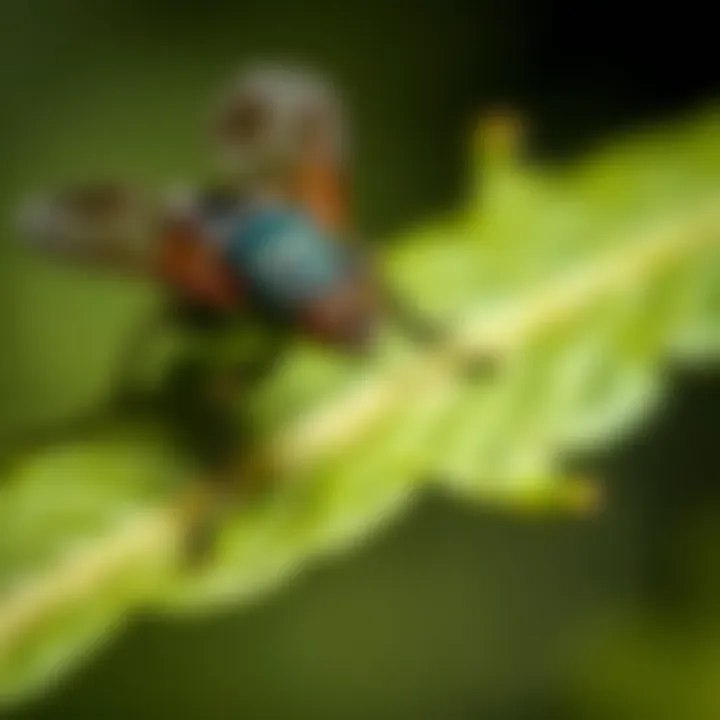
Ground flies are generally characterized by their small to medium size, usually ranging from 1/8 to 1/4 inch in length. Their bodies are often grayish or black, with some species displaying faint stripes on their thorax. Unlike fruit flies, which are drawn to sugary substances, ground flies are attracted to decaying matter and waste, making them prevalent in areas where sanitation is lacking.
Signs of Infestation
Identifying an infestation can save you a lot of headaches down the road. Here are a few signs that ground flies have made themselves at home:
- Increased Fly Activity: If you find yourself swatting at flies more than usual, you may have a problem.
- Visible Larvae: The presence of larvae, often found in compost or other organic materials, indicates breeding.
- Settling in Groups: They tend to swarm around specific areas, especially near decomposing food.
An important point to remember is that not all flies are the same; being able to tell them apart can help in selecting the right control method.
Prevention Techniques
Once you identify those sneaky flies, the next logical step is preventing future infestations. Here are some practical measures you can take that don't require heavy-duty chemicals.
Home Maintenance Tips
Simple changes around the home can drastically reduce fly populations:
- Seal entry points: Ensure windows and doors are free from cracks. Installing screens can deter them from getting inside.
- Proper waste disposal: Keep garbage bins covered and dispose of waste regularly, especially food scraps.
- Cleanliness is Key: Regularly cleaning your spaces can significantly deter flies. Pay attention to less obvious spots like under furniture or behind appliances.
Environmental Modifications
Consider altering your outdoor environment as well. For instance:
- Compost management: While composting is great for the environment, ensure it’s maintained properly. Aerating and covering your compost heap will help.
- Temperature Control: Flies are more active in warmer conditions, so consider fans or other means to keep areas cool during peak activity times.
Eco-Friendly Pest Control Options
If prevention fails and flies do invade, it’s time to think about eco-friendly control options. These solutions not only help eliminate flies but do so without harming beneficial insects or the environment.
Natural Pesticides
Look for options like diatomaceous earth, which can be sprinkled around the affected areas. Another natural approach includes using essential oils, such as eucalyptus or mint, which can repel flies without chemicals.
Organic Pest Control Techniques
Consider setting up traps using homemade solutions. A simple mixture of sugar water, vinegar, and a bit of dish soap can attract and trap flies effectively. Place these traps near the infested areas to maximize effectiveness.
"Understanding their behavior and the environment they thrive in is your best weapon against ground flies. Prevention goes a long way in protecting your space."
By staying informed and proactive, you can reclaim your space from these persistent pests.
Foreword to Ground Flies
Ground flies, often overlooked in the vast world of pests, are a significant concern for both residential and commercial spaces. Their presence can turn a pleasant outdoor gathering into a frustrating experience. Understanding these creatures is the first step in controlling them effectively. In this article, we delve into the characteristics, behaviors, and control strategies for ground flies, providing valuable insights that can empower homeowners and caretakers alike.
Definition of Ground Flies
Ground flies, also known as Fannia species, are small insects belonging to the family Fanniidae. They are commonly found in rotting organic matter, animal waste, and moist environments. Unlike their more notorious cousins, the houseflies, ground flies tend to resemble tiny dark dots in flight, often mistaken for other fly types. Their bodies are sleek and shiny, measuring about 5 to 8 millimeters in length. These pests are often drawn to decaying materials, making them a nuisance in areas where trash accumulation or composting takes place. Understanding their definition and characteristics provides a clearer framework for addressing infestations effectively.
Common Species of Ground Flies
Several species of ground flies exist, each with its unique traits and impacts on their environments. Here are a few of the most common:
- Fannia canicularis: Often referred to as the common ground fly, this species is frequently found near decaying organic material. Its lifecycle closely follows that of decaying food, making it an ideal pest for kitchens and outdoor waste bins.
- Fannia armata: Serving as a minor nuisance, this species is attracted to farm settings, especially where livestock are present. Its affinity for manure can become a serious issue for farmers, needing attention and control measures.
- Fannia imbellis: This type is less commonly encountered but still poses a risk in specific environmental conditions. Understanding its behavior in similar habitats can help manage its presence.
Ground flies are not just a nuisance; they can also contribute to the spread of other pests and diseases. Proactively learning about these common species aids in
effectively implementing targeted strategies for eradication.
Proper identification enables more precise measures, ensuring homeowners can aim for successful pest management without unnecessary trial and error.
The Life Cycle of Ground Flies


Understanding the life cycle of ground flies plays a vital role in combating their populations in both domestic and commercial areas. Each stage—from egg to adult—offers insights into their habits and vulnerabilities. By grasping how these insects develop, home and property owners can devise effective strategies for control that target the various stages of their life.
Egg Stage
The egg stage is the foundation of the ground fly's life. Female ground flies typically lay eggs in moist and decaying organic matter, like compost or exposed trash. Usually, she can lay anywhere between 50 to 200 eggs at a time. The eggs are small, oval-shaped, and nearly translucent, making them difficult to spot unless one looks closely.
The success of eradication efforts is significantly influenced by when and where these eggs are laid.
Being aware of likely egg-laying sites allows for targeted interventions, such as regularly clearing debris and maintaining cleanliness around potential breeding grounds. Eggs usually hatch within 1 to 3 days under ideal conditions, driven by warmth and humidity. This rapid hatching means that addressing the egg stage promptly is crucial before larvae begin to emerge.
Larval Phase
Once the eggs hatch, ground flies enter the larval phase, commonly known as the maggot stage. These larvae are typically a creamy white color and can be found crawling through organic waste. Their feeding habits target decaying matter, which is essential for their growth. Within this stage, they consume nutrients, growing steadily until they are ready to pupate.
During the larval phase, which lasts between 5 to 14 days, they can be at their most destructive, as they often feed on remnants that could be beneficial for composting or waste recycling.
In this context, controlling potential environments for larvae often requires measures such as:
- Regular disposal of organic waste
- Sealing containers tightly to prevent access
- Maintaining a dry exterior to hinder their ability to thrive
Adult Ground Flies
After maturing through the larval phase, ground flies enter adulthood, reaching sexual maturity within a week to ten days. Adult ground flies are generally dark gray or black, and unlike their earlier stages, they can travel significant distances. They are particularly attracted to food sources and can quickly infest homes and businesses.
At this stage, recognizing their behavior is key to control. Adult flies are often found around:
- Food scraps or spillage in kitchens
- Overripe fruits or vegetables in yards
- Trash bins left uncovered
Employing methods to intercept these adult flies can help immensely in reducing their population. Considerations include:
- Using screens to prevent entry points into homes
- Employing traps that specifically target adult flies
- Regularly checking and disposing of potential food sources
By paying attention to these life stages—eggs, larvae, and adults—homeowners can take proactive steps in managing ground fly infestations. Ultimately, grasping their developmental patterns makes it possible to implement more effective preventative and control measures.
Understanding Ground Fly Behavior
Understanding the behavior of ground flies is vital for anyone looking to effectively manage and mitigate infestations. Knowledge about how these creatures feed, breed, and where they prefer to live provides essential insights that inform prevention and control strategies. Recognizing the specific behaviors of ground flies can lead to more targeted actions, making eradication efforts more efficient and less frustrating.
Feeding Habits
Ground flies tend to favor decomposing organic matter. They're like miniature trash cans, drawn to areas rich in waste, such as leftover food, decaying plants, or animal feces. This creates a direct line to infestation, especially around compost heaps or poorly managed gardens. Notably, ground flies have a rather opportunistic feeding style; they can lay claim to resources quickly, which makes them even more challenging to control. One important point for homeowners to consider is that accounting for their diet can help in strategizing more effective baiting systems.
- Ground flies mostly feed on:
- Decomposing organic materials
- Rotting fruits and vegetables
- Animal waste
- Open garbage cans or bins
When crafting a management plan, recognize that reducing these attractants is one of the simplest yet most effective strategies. By keeping food waste secured and ensuring garden hygiene, homeowners can significantly decrease ground fly populations in their vicinity.
Breeding Preferences
Ground flies are quite selective about where they choose to lay eggs, preferring warm, moist environments abundant in organic matter. If you've ever found a cluster of flies buzzing around your compost, you're likely witnessing an optimal breeding ground. Females can lay hundreds of eggs at once, meaning that one small oversight in sanitary practices can lead to a full-blown infestation.
They often breed in:
- Rotting mulch or grass clippings
- Pet waste not promptly picked up
- Areas with stagnant water
- Overripe crops left in the garden
Understanding these breeding preferences highlights the crucial role of sanitation in controlling population growth. It can also empower homeowners to take proactive measures and clear potential breeding sites before they become problematic.
Preferred Environments
Ground flies thrive in areas that provide warmth, moisture, and a food source. Specifically, they tend to favor organic-rich environments, which explains why gardens and yards are common hotspots. Mulch piles, compost heaps, and flower beds can all serve as incubators for ground flies.
- Their preferred environments often include:
- Damp areas beneath plants
- Compost heaps or bins
- Soggy lawns or gardens susceptible to overwatering
- Trash cans or dumpster sites
These habitats not only support the flies’ feeding habits but also enable breeding activity. Therefore, understanding and modifying these environments—by ensuring proper drainage and maintaining a tidy yard—can be effective in mitigating potential ground fly problems.
By recognizing the patterns and behaviors of ground flies, homeowners can better prepare and execute their pest management tactics. This knowledge not only aids in prevention but also fosters an overall healthier home and environment.
Identifying Ground Fly Infestations
Identifying ground fly infestations is the cornerstone of combatting these pesky invaders effectively. Understanding their presence not only saves time and effort but also enhances the efficacy of chosen control measures. When you can pinpoint an infestation early, it allows you to take swift action, reducing the potential for greater infestation down the line. Ground flies often settle in areas that may not immediately be visible, making awareness paramount for homeowners and housewives alike.
Being proactive is key. Noticing the initial signs ensures that you can follow up with appropriate strategies. The earlier you act, the better you can manage environmental factors that support their life cycle.


Signs of Infestation
Recognizing the signs of a ground fly infestation is often the first step in addressing the issue. Here are some notable indicators:
- Presence of Adult Flies: Spotting adult flies buzzing around or resting on surfaces is a clear signal. Unlike other flies, ground flies may linger near the ground, making close inspection crucial.
- Larvae and Egg Buildup: If eggs or larvae are spotted in damp soil or rotting organic matter, this often indicates a breeding ground. Look for creamy-white, legless larvae – a common sight in such environments.
- Unusual Odors: Decaying organic matter, such as leftovers or animal waste, often emits an unpleasant smell, attracting ground flies. If there's an unusual odor in your home or garden, it might just be pointing to a larger problem.
- Foul Conditions Near Waste: If your garbage cans or compost piles are inundated by swarms of flies, it’s likely you have a breeding spot right within your waste materials.
By staying vigilant for these signs, you can take prompt action, ahead of what could become a more extensive infestation.
Common Hiding Spots
Ground flies are rather crafty when it comes to hiding. Knowing where they like to set up shop is vital. Here are some of their favorite haunts:
- Damp Soil Areas: Ground flies thrive in moist places. Garden beds, planters, or even any soil around foundation walls can often become their nests, so keep an eye out.
- Organic Matter Buildup: Piles of compost, decaying leaves, or uncollected grass clippings can attract ground flies. Ground flies are attracted to the decomposition process, where they can breed and feed.
- Trash Areas: Any unsealed garbage bag, especially those containing organic waste, can draw ground flies. It's essential to ensure proper waste containment to deter them.
- Under Decks and Patios: If you have outdoor spaces, the shaded and sheltered nooks underneath decks or patios can become perfect hiding spots for these flies.
- Indoor Plants: Soil in houseplants can also attract ground flies. Overwatering plants creates a damp environment ideal for their lifecycle, making regular checks a must.
By knowing these hiding spots, you can proactively inspect these areas. With diligent efforts, you’ll prevent ground flies from setting up residence in your home.
Preventive Measures Against Ground Flies
Preventing ground flies from becoming unwelcome guests in your home or yard is a foundation stone for effective pest management. Implementing preventive measures ensures that the population of these pests is kept to a minimum, thereby reducing the hassles associated with infestations. The cost-effectiveness, time-savings, and peace of mind that come from taking the right steps are benefits that shouldn’t be overlooked. Here, we’ll delve into three critical elements of preventive measures that can turn your ground fly problem into a memory.
Sanitation Practices
One of the foremost strategies to keep ground flies at bay is maintaining impeccable sanitation in your surroundings. Flies are attracted to dirty environments where organic matter thrives. This means that food scraps, unsealed garbage, or decaying plants can attract these nuisances faster than you can say "buzz off."
To bolster your sanitation practices:
- Clean Regularly: Ensure to wipe down surfaces in kitchens, especially near food preparation areas. Dirty dishes and crumbs are invitations for ground flies.
- Seal Food Properly: Store all food items in airtight containers. This applies not only to pantry items but also to pet food.
- Eliminate Standing Water: If you have potted plants, ensure that water isn’t accumulating under them. Ground flies love damp environments where they can breed.
- Compost Wisely: If you compost, keep it well-maintained. Avoid using meat or dairy products, as these attract flies like a moth to a flame.
By following such sanitary guidelines, you're not just keeping ground flies at bay; you're enhancing the overall health and hygiene of your living space.
Proper Waste Management
Effective waste management extends beyond simply taking out the trash. It embraces a systematic approach to how waste is handled that can significantly hinder fly populations. Here’s what to keep in mind:
- Use Tight-Lidded Bins: Make sure that your garbage bins are fitted with snug lids to keep ground flies from finding their way in for a feast.
- Frequent Disposal: Regularly dispose of rubbish, especially organic waste. This action drastically cuts down the breeding grounds for ground flies.
- Separate Organic Waste: Consider having a separate bin for organic waste and ensure it’s emptied frequently.
- Yard Waste: Piles of leaves, clippings, or other organic material can be breeding grounds. Keep these areas clean and clear.
"A clean and organized waste management strategy is an effective first step in proactive fly prevention."
Taking the time to manage waste properly not only deters insects but also fosters a more pleasant environment around your residence.
Ground Maintenance Techniques
A well-maintained yard acts as a robust barrier against ground fly infestations. By keeping your outdoor spaces tidy, you are essentially denying ground flies the ideal environment they search for. Here are some effective techniques:
- Mow the Lawn Regularly: Tall grass can trap moisture and becomes an attractive home for ground flies. Regular mowing keeps everything trimmed and tidy, making it less appealing.
- Clear Debris: Leaves, sticks, and other organic debris should be cleared away promptly as they can attract flies and other pests.
- Mulch with Care: If using mulch, ensure it’s a type that doesn’t harbor moisture or decay too quickly. Regularly turning over mulch can keep it dry and less attractive to ground flies.
- Vegetation Management: Look for areas where plants might not be thriving. A decaying plant could easily be a breeding ground for flies.
Conclusively, investing time in ground maintenance is a proactive stance against the invasion of ground flies. With these preventive measures in your toolkit, you're not just fighting an uphill battle but laying the groundwork to ensure that these pests are a rare occurrence in your daily life.
Physical Control Methods
Addressing ground flies effectively necessitates a keen understanding of their habits and habitats. There’s no denying that physical control methods play a pivotal role in attaining a fly-free space. From creating barriers to employing traps, each technique acts as a frontline defense, ensuring these pesky intruders find no welcome mat in your home or garden. Let’s delve into the particulars of two primary strategies: exclusion techniques and traps and barriers.
Exclusion Techniques
Excluding ground flies from your living spaces is an effective way to tackle infestations before they take root. Think of this as closing the door in the face of an unexpected guest—no invites here! A few vital steps can be taken to strengthen your defenses:
- Sealing Entry Points: Inspect your property for any gaps or cracks in windows, doors, and walls. Even the smallest openings offer an open invitation. Consider using weatherstripping and caulk to seal these vulnerabilities.
- Repairing Screens: If your windows or vents boast screens, ensure they are intact. Fix any holes, or replace damaged screens entirely. A scruffy screen can mean instant access for these flies.
- Regular Maintenance: Keeping your garden tidy goes a long way. Ground flies are attracted to decaying matter, so be sure to remove any fallen fruits, rotting plants, or organic debris. Not providing a buffet will discourage their presence.
- Creating Distance: When setting up trash cans outdoors, keep them far from entry points. Using containers with lids is also advisable. This minimizes the chances of their scent wafting indoors and enticing the flies.
"An ounce of prevention is worth a pound of cure." This old adage holds true when it comes to preventing ground flies from invading your home.
Traps and Barriers
Employing traps and barriers is an active means of addressing and controlling the population of ground flies. These tools, though simple in concept, can yield significant results if used correctly:
- Fly Traps: Sticky fly traps are a popular choice. They can be hung in areas where flies are commonly seen. Positioning them near entrances or close to food sources attracts these pests, then traps them effectively.
- DIY Traps: A homemade fly trap can be crafted using common household items. For instance, a mixture of vinegar and dish soap in a bowl can effectively lure and trap these flies. Just place the bowl in areas they frequent and let it work its magic.
- Physical Barriers: Employ insect netting or fine mesh to cover plants, compost piles, or delicate areas you want to protect. This keeps flies away from spots that could become breeding grounds, while still allowing sunlight and rainfall to reach the plants.
By integrating these physical control methods into your strategy, you’re taking meaningful steps not just to eliminate ground flies, but to keep your environment less welcoming to them moving forward. It's about creating an atmosphere where they simply don’t belong.
Chemical Control Options
In dealing with ground flies, chemical control is sometimes a necessary step. While there is a definite focus on eco-friendly options, understanding the chemical alternatives can provide immediate relief. When used responsibly, these options can help to implement more aggressive strategies for reducing populations when other methods have fallen short. Choosing the right products, knowing how and when to apply them, as well as being aware of any potential consequences is crucial for effective management.
Insecticides Overview
Insecticides are a primary tool in the bokk of pest control. They come in various formulations and can target different stages of ground flies' life cycles. Here are some of the important points to consider when exploring insecticides:


- Types of Insecticides: There are several categories:
- Application Methods: Insecticides can be applied in several ways:
- Timing: Early morning or later in the evening are effective times for application. Ground flies tend to be less active during these times, which can improve the efficacy of the treatment.
- Safety First: Always read and follow label directions, keeping pets and children away from treated areas until it's safe to return as specified by the product instructions. A cautious approach ensures that while you manage pests, you're also safeguarding your household.
- Pyrethroids: These often have a fast knockdown effect and are widely used for household pests.
- Neonicotinoids: These affect the nervous system of insects, which can be highly effective against ground flies.
- Organophosphates: Effective but tend to have more restrictions and are not preferred for household use due to health concerns.
- Sprays for immediate action on infestations.
- Granules that can be scattered in areas where ground flies breed.
- Fogging for larger areas, providing a wider coverage that can envelop flying insects as well.
Natural Insecticides
As the trend towards more sustainable living continues, natural insecticides have gained traction. Many homeowners prefer these methods due to their lower toxicity and environmental friendliness. Here are a few noteworthy options:
- Diatomaceous Earth: This is a fine powder that can be sprinkled in areas where ground flies are likely to gather. It works by dehydrating them as they come into contact with it.
- Essential Oils: Certain oils such as peppermint, eucalyptus, and citronella have shown efficacy against ground flies. Mixing a select essential oil with water and spraying in infested areas can repel ground flies effectively while leaving a pleasant aroma behind.
- Soap Solutions: A mixture of water and mild liquid soap can suffocate bugs upon contact, providing a simple yet effective way to control fly populations.
- Boric Acid: This is another natural option that can be effective if used cautiously. It can disrupt the fly's digestive systems, leading to eventual dispersal.
Utilizing these natural alternatives can diminish your reliance on harsher chemicals and promote a safer environment for everyone in your home.
Quoting a pest management study, "Natural insecticides often provide an effective, less toxic alternative when dealing with common household pests like ground flies."
When seeking to eliminate ground flies, a well-rounded approach is vital. Combining chemical and natural strategies while keeping safety and environmental considerations in mind will certainly yield the best results.
Eco-Friendly Solutions
In recent times, there’s been a noticeable shift towards eco-friendly solutions when it comes to addressing pest issues, including the rather pesky ground flies. These approaches are not just about keeping your home or garden free of annoying insects; they focus on environmental wellbeing, sustainability, and domestic safety. Adopting green methods can significantly reduce chemical usage, which, in turn, protects beneficial insects, the soil health, and even your family’s health. With today’s audience being more eco-conscious than ever, understanding how to keep ground flies at bay without harsh chemicals makes perfect sense.
Home Remedies
Home remedies offer a simple, cost-effective way to deal with ground flies and can be found right in your kitchen or local grocery store. Here are some effective options to consider:
- Vinegar Traps: Apple cider vinegar is quite the magician when it comes to capturing ground flies. Simply fill a bowl with apple cider vinegar and cover it with cling wrap. Poke some small holes on top, and watch as the flies are lured in, unable to escape.
- Soap and Water Spray: Mixing water with a few drops of dish soap creates a potent solution to spray on the flies. This method works by suffocating the flies as the soap clogs their breathing pores.
- Basil Leaves: These fragrant leaves do more than add flavor; they can deter flies too. Placing fresh basil plants around your home or garden can work wonders, given ground flies dislike the scent.
- Essential Oils: Oils like peppermint and tea tree can be mixed with water and sprayed around your living spaces. Most ground flies find these scents unpleasant which helps in keeping them at bay.
Using these remedies can integrate a more organic approach to your pest control strategy, while being easy and pleasant to use around the house.
Plant-Based Solutions
When it comes to plant-based solutions, they often reflect the natural order of our ecosystems. Leveraging the innate properties of certain plants can deter and manage ground fly populations. Here’s how:
- Marigolds: These vibrant flowers not only brighten up your garden but also repel various insects, including ground flies. Their strong odor is believed to confuse and repel pests.
- Lavender: Known for its calming fragrance, lavender can also act as a strong deterrent. Its scent masks other smells that attract ground flies, making your outdoor and indoor areas less appealing to them.
- Carnivorous Plants: This is a more unconventional approach, but using plants like Venus flytraps or sundews can help manage the population naturally. They catch and digest insects, which can include ground flies.
- Citronella: Widely known for its role in repelling mosquitoes, citronella is also effective against ground flies. Whether as a plant or in candle form, it releases a strong scent that keeps a variety of flies from bothering you.
By incorporating these plant-based solutions, homeowners can create a more inviting, less pest-ridden environment using the natural resources around them.
"Nature always wears the colors of the spirit." – Ralph Waldo Emerson
In summary, implementing eco-friendly solutions not only tackles the problem of ground flies but also promotes a more sustainable lifestyle. Using home remedies and leveraging plant-based alternatives aligns perfectly with a growing desire to live in harmony with nature.
Monitoring and Maintenance
Monitoring and maintenance play a vital role in the battle against ground flies, particularly as these creatures can become a persistent annoyance if left unchecked. Effective monitoring allows you to identify increasing infestations early on and enhance your overall management strategies. Regular maintenance measures, on the other hand, help to create an environment that's less inviting to these pests. By staying vigilant, homeowners can ensure they are effectively combating these unwelcome guests.
Keeping Track of Infestations
Keeping track of infestations is not just about counting flies; it’s an ongoing evaluation of your environment. The key here is consistency. Create a monitoring schedule that is manageable yet effective. This could be every few days or once a week, depending on the season and previous infestation levels.
- Visual Inspections: Check areas where ground flies are known to breed, such as damp spots or places with organic debris. Look for larvae and adults alike, as finding them early can make a big difference.
- Using Sticky Traps: These can be a low-cost way to monitor the population. Place traps near problem areas, and make a note of how often they are filled.
- Notes and Data: Keep a log of when and where you find flies. This helps identify trends and may reveal the timing or conditions that lead to increased pest activity.
Regular Checks
Regular checks are fundamental in maintaining control over ground fly populations. By incorporating checks into your routine, you’ll be better prepared to address any issues as they arise.
- Routine Inspection Areas: Focus on locations like:
- Assessment of Breeding Conditions: Pay attention to areas with excessive moisture, as ground flies thrive in wet environments. Ensure that these spots are treated appropriately.
- Evaluate Control Methods: Take stock of any methods you’ve implemented thus far. Ask yourself:
- Waste bins
- Compost piles
- Areas with standing water
- Are the traps catching more flies?
- Have you made changes to your cleaning habits that are proving effective?
"Regular monitoring allows you to stay one step ahead of ground flies, ensuring they don't turn your home into their playground."
Closure
In wrapping up our discussion on ground flies, it’s essential to emphasize just how pivotal the management of these pesky pests can be for homeowners and housewives alike. Dealing with ground flies isn’t just about getting rid of an annoyance; it’s about safeguarding home environments against potential health risks and preserving the quality of our living spaces.
Recap of Key Strategies
First things first, let’s revisit the core strategies we've explored:
- Sanitation Practices: Keeping areas clean, ensuring no food scraps or waste are left uncovered can significantly deter ground flies. Basic hygiene goes a long way in preventing infestations.
- Ground Maintenance Techniques: Regularly maintaining outdoor spaces, trimming grass, and ensuring proper drainage reduces favorable breeding spots for these flies.
- Exclusion Methods: Using fine mesh screens or similar barriers can physically keep flies out of homes, restricting their entry and access.
- Natural Insecticides: Exploring eco-friendly sprays made from plant-based ingredients offers an effective solution that aligns with sustainability goals.
- Monitoring and Regular Checks: Keeping a vigilant eye and routinely inspecting both indoor and outdoor areas for signs of infestations allows for immediate action when necessary.
Consolidating these methods into daily routines can help you nip potential issues in the bud, thus ensuring that ground flies don’t turn into a persistent headache.
Importance of Ongoing Management
Lastly, ongoing management cannot be brushed aside. Ground flies may seem like a seasonal nuisance; however, neglecting continuous monitoring can lead to a cycle of re-infestation. Regular inspections and maintaining preventive measures are not just smart—they’re essential. Each season brings new challenges with pest activity, and being proactive is far better than reactionary attempts to clear up a full-blown infestation.
Invest that's time in education about these insects and keeping up with recent methods for control can make all the difference. Whether it’s sharing knowledge with neighbors or consulting local pest management resources, staying informed creates a community of informed individuals who can effectively combat these unwanted guests together.