Natural Pest Control: Diatomaceous Earth for Squash Bugs

Intro
Managing pests in the garden can sometimes feel like an uphill battle. Squash bugs, in particular, can undermine your gardening efforts by causing significant damage to your plants. Many people might reach for synthetic pesticides, but here’s where diatomaceous earth comes into play. This natural option offers a compelling alternative for those looking to combat these pesky insects while keeping both plants and the environment safe. With this guide, we’ll explore how diatomaceous earth operates, its application methods, and its effectiveness in managing squash bugs.
Identification of Common Pests
Description of Common Pests
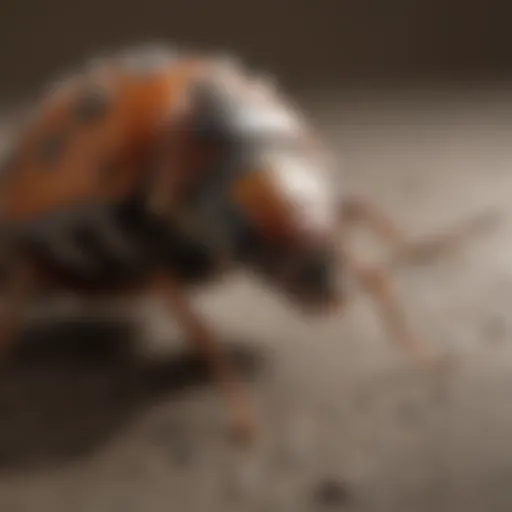
The squash bug, belonging to the Anasa tristis species, primarily targets squash and pumpkin plants. Identifying these bugs is crucial for effective management. Adults are typically dark gray to brown with flat bodies that can grow up to 3/4 inch long. They are often seen congregating on the undersides of leaves or among fruits, especially on heat-absorbing, sun-drenched areas. Juvenile bugs, or nymphs, appear as greenish-yellow offspring, lacking wings and exhibiting the same penchant for shade as their adult counterparts.
Signs of Infestation
Recognizing signs of a squash bug infestation can save your plants from extensive damage. Look for:
- Wilting leaves: Even with adequate watering, affected plants may droop.
- Yellowing foliage: Look out for leaves turning yellow, a direct indication of the bug's feeding habits.
- Dark fecal spots: These are a telltale sign of squash bugs making themselves at home.
- Eggs on plant undersides: The oval, bronze-colored eggs typically cluster on the back of leaves, signaling a potential invasion.
"Catching these signs early can drastically alter the course of your gardening journey."
Prevention Techniques
Home Maintenance Tips
Taking preventative measures is key when it comes to squash bugs. Simple home maintenance can make a world of difference:
- Regularly clear debris: Old plants and fallen leaves create shelter for squash bugs.
- Rotate crops annually: This can help disrupt a bug's life cycle.
- Timing your planting: Delaying the planting of squash can outmaneuver adult squash bugs emerging in spring.
Environmental Modifications
Creating a less inviting environment for these pests is crucial. Consider:
- Companion planting: Herbs like basil can deter squash bugs if planted nearby.
- Mulching: A layer of mulch can make it harder for squash bugs to lay their eggs on the soil.
Eco-Friendly Pest Control Options
Natural Pesticides
In your gardening toolkit, natural pesticides can be effective against squash bugs. Some options to consider include:
- Neem oil: Known for its dispersal of pests.
- Garlic spray: A strong scent that many insects dislike can help keep these pests at bay.
- Soap sprays: Mild soapy solutions can suffocate squash bugs provided they are applied thoroughly.
Organic Pest Control Techniques
Using diatomaceous earth stands out as one of the most efficient organic techniques against pests. Sprinkling this natural powder near your plants targets squash bugs by dehydrating them. A couple of tips:
- Dust the base of plants: This offers the best barrier against crawlers.
- Reapply after rain: Ensure the effectiveness of diatomaceous earth through periodic application, especially after wet spells.
By implementing these strategies, you’ll be on the right path to managing squash bugs while promoting a healthier, eco-friendly garden. Not only does it encourage a sustainable approach, but it also helps in preserving the integrity of your plants and the surrounding ecosystem.
For further reading on pests and pest management, you might find these resources helpful:
Preface to Diatomaceous Earth
Diatomaceous earth, often abbreviated as DE, is taking center stage in sustainable gardening discussions. For housewives and homeowners who are passionate about nurturing their gardens, understanding diatomaceous earth is vital. This substance has gained traction as a natural herbivore management solution, particularly against unrelenting pests like squash bugs. It’s not just about combating these pesky bugs; it encompasses a larger conversation about environmentally friendly gardening practices.
Definition and Composition
Diatomaceous earth is composed of the fossilized remains of tiny, aquatic organisms known as diatoms. These organisms, resembling a mix between algae and a rock, have silica-rich cell walls that have stood the test of time. When ground into a fine powder, this chalky substance boasts a variety of gardening benefits. The primary component of diatomaceous earth is silicon dioxide, which constitutes about 80-90% of its structure. The remaining content may include additional minerals such as aluminum and iron, albeit in much smaller quantities. Understanding the natural composition of diatomaceous earth makes it clear why it's favored as a pesticide alternative; it aligns with the principles of organic gardening without the repercussions associated with synthetic chemicals.
Historical Uses in Pest Control
"Diatomaceous earth is not just a pest control method; it’s a part of a larger eco-conscious strategy towards gardening sustainability."
The beauty of diatomaceous earth lies in its versatility; it doesn't only repel insects but also detoxifies soil by removing harmful microorganisms. As homeowners adopt practices rooted in sustainability, integrating diatomaceous earth into pest management systems becomes paramount. This brings not only protection to their beloved crops but also imparts peace of mind, knowing that they are contributing positively toward the environment.
In summary, understanding diatomaceous earth extends beyond mere definitions or historical uses. It urges modern gardeners to reconsider traditional pest control measures and promotes a healthier garden ecosystem.
Understanding Squash Bugs
Understanding squash bugs is crucial for effectively managing these pests, which can wreak havoc in home gardens. Squash bugs, belonging to the Anasa tristis species, primarily target cucurbits like squash, pumpkins, and cucumbers. Recognizing their behavior and life cycle helps homeowners identify the right moment to act, ultimately protecting their precious garden bounty. When armoring yourself against these pesky insects, knowledge is your first line of defense.
Life Cycle of Squash Bugs
The life cycle of squash bugs is comprised of several stages: eggs, nymphs, and adults. Adult squash bugs typically emerge in the spring, gathering on their preferred plants to mate. The females lay small, yellowish eggs on the undersides of leaves, often in clusters. These eggs hatch into nymphs about a week later.
Nymphs are small and often greenish or black with orange markings, resembling miniature adults. They feed voraciously on developing fruits and leaves, leading to the wilting and yellowing of the plant. Over the course of two to four weeks, the nymphs mature into adults, creating a seemingly endless cycle if not managed properly. Homeowners must be vigilant during the warm months when squash bugs are most active, to nip the problem in the bud before their population explodes.
Common Symptoms of Infestation
Spotting squash bugs early is key to controlling their spread. Some common symptoms include:
- Wilting Leaves: The leaves might appear droopy or wilted, typically due to the bugs sucking the life out of them.
- Yellowing Foliage: Plants may not be able to get the nutrients they need if under heavy squash bug attack, leading to discoloration.
- Black Feces: Small black specks around the plants may be feces left behind by these insects.
- Visible Bugs: Adult squash bugs are about 5/8 inch long, often seen clinging to leaves or hiding within the blossoms.
"An early detection of squash bug infestations can turn the tide in your favor, allowing you to use preventive methods like diatomaceous earth effectively."
Mechanism of Action of Diatomaceous Earth
Understanding how diatomaceous earth (DE) operates as a pest control agent is crucial in recognizing its value in managing squash bugs. Not only does it present an alternative to synthetic pesticides, but it also embraces a more natural way of safeguarding gardens and crops. One can think of diatomaceous earth as nature's little armor—providing a shield against pesky insects without harming the ecosystem. Its unique properties make it formidable against squash bugs, which pose a real threat to gardens. Digging into the mechanics, we can appreciate why this natural product deserves a place in any pest management strategy.
Physical Properties that Affect Insects
Diatomaceous earth is made up of tiny fossilized algae called diatoms. These microscopic wonders possess a crystalline structure that resembles shards of glass under a microscope. When we apply DE to areas inhabited by squash bugs, its physical properties come into play.
- Abrasive Texture: The rough surface of DE acts like sandpaper against the exoskeleton of insects, leading to physical damage. This damage makes it difficult for these bugs to move and, over time, can lead to a lethal outcome.
- High Porosity: DE has a remarkable ability to absorb moisture. This quality is particularly significant for insects—once they come into contact with DE, their bodies lose water at an accelerated rate. As they struggle to maintain moisture balance, they become susceptible to dehydration.
In essence, the combination of abrasiveness and high porosity makes diatomaceous earth a one-two punch against squash bugs.
Desiccation Process Explained
Once squash bugs encounter diatomaceous earth, the magic begins. The desiccation process, or the drying out of these insects, is the primary mechanism through which DE exerts its pest-control capabilities.
- Contact with DE: When squash bugs crawl across diatomaceous earth, their exoskeletons are scratched and punctured, facilitating moisture escape.
- Moisture Absorption: At this point, DE begins to absorb the water content from the insect's body. This rapid water loss leads to dehydration, which squash bugs are ill-equipped to survive.
- Inevitability of Death: Without sufficient moisture, the life functions of the insect diminish, leading to death. In many cases, this occurs within just a few hours of exposure.
The desiccation process highlights the effectiveness of diatomaceous earth as a non-toxic alternative to chemical insecticides. With DE, house owners can protect their gardens while minimizing the risk posed to non-target organisms.
In summary, the mechanisms of action for diatomaceous earth capture the beauty of nature’s solutions. Instead of relying on synthetic alternatives, diatomaceous earth utilizes its inherent properties to create an environment that squash bugs struggle to survive in. As more people strive to adopt sustainable pest management strategies, understanding these mechanisms is vital for making informed choices.
Effectiveness of Diatomaceous Earth Against Squash Bugs
The utilization of diatomaceous earth as a pest control measure has gained traction, especially among those seeking natural and sustainable solutions for managing pest problems like squash bugs. Understanding its effectiveness is key for homeowners relying on this strategy. Here, we’ll dive into how diatomaceous earth stacks up against chemical pesticides, alongside real-world experiences to paint a picture of its practical use in combating these troublesome pests.
Comparative Analysis with Chemical Pesticides
When weighing the merits of diatomaceous earth against conventional chemical pesticides, it becomes evident that both approaches offer unique advantages and considerations. Traditional pesticides often promise quick results but come with a slew of downsides, particularly regarding safety and environmental impact. These chemicals can pose risks to not only the target pests but also to beneficial insects, humans, and pets. In contrast, diatomaceous earth stands out with its natural composition—made from fossilized algae—as a safer alternative.
- Safety Profile: Unlike chemical pesticides that may produce harmful residues, diatomaceous earth leaves no toxic imprint. It’s pivotal for those with children or pets wandering through gardens.
- Residual Effectiveness: Research suggests that while chemical pesticides might provide immediate knockdown, diatomaceous earth works gradually by targeting the exoskeletons of pests. This method can be just as effective but requires consistent application and proper environmental conditions to enhance its efficacy.
Moreover, a comparative analysis of effectiveness shows that although some chemical treatments may seem to eliminate squash bugs with dramatic speed, their effects can diminish over time as pests adapt or develop resistance. In contrast, the non-toxic nature of diatomaceous earth, which results in desiccation rather than poisoning, can serve as a long-term strategy without the risk of resistance.
Case Studies and Testimonials
To appreciate diatomaceous earth’s practical implications, consider some case studies and testimonials from homeowners who have adopted its use against squash bugs. These narratives highlight a range of experiences, shedding light on both success and challenges faced while employing this remedy.
"Last summer, I was battling a squash bug invasion in my small garden. After reading about diatomaceous earth, I decided to give it a try. Initially, there was a bit of a learning curve. I sprinkled it generously around my squash plants, and to my surprise, I began noticing a decrease in squash bug activity within a week. It turned out to be far less harmful than the sprays I had used before."
Many users echo similar sentiments, noting that they found success not only in curbing the squash bug population but also in maintaining the health of their plants. When applied correctly, diatomaceous earth can delay and reduce infestations effectively over time. Success stories often emphasize the importance of reapplication, particularly after rain, as moisture can neutralize its effectiveness.
Application Methods for Diatomaceous Earth
When it comes to managing squash bugs effectively, knowing how to apply diatomaceous earth can make all the difference. It's not just about tossing it on your plants willy-nilly; methodical application can enhance its effectiveness while ensuring safety for your garden and loved ones. This section will break down not just the importance of applying diatomaceous earth but also the different methods and best practices you can follow to optimize your pest control efforts.
Choosing the Right Form of Application
Selecting the proper application form of diatomaceous earth is crucial. You have a couple of options here, and the right choice often depends on the specific needs of your garden and the severity of your squash bug issue.
- Powder Form: This is the most common. It's a fine powder made from crushed fossilized algae that you can easily dust onto plants.
- Diatomaceous Earth Spray: Mixing diatomaceous earth with water allows for easier coverage, particularly for larger gardens. You’ll want to ensure that the mixture is well-stirred to keep the particles suspended, preventing them from settling at the bottom of your spray container.
It's wise to avoid applying diatomaceous earth when it's windy or during heavy rains. The windy conditions can blow the powder away, while rain can wash it off, reducing its effectiveness. You might also want to consider using a hand-held applicator for targeted and controlled dispensing of the powder, especially in vulnerable areas like the base of your squash plants or wherever you’ve spotted signs of squash bugs.
Best Practices for Effective Coverage
Even the best product can fall flat without proper application. If you really want to ensure diatomaceous earth provides the defensive barrier against squash bugs, some best practices can come in handy:
- Experimenting with Timing: Apply diatomaceous earth in the morning or evening when the temperature is cooler. This helps the powder stick better to plant surfaces. If applying sprays, ensure the dew has dried to prevent dilution.
- Direct Contact is Key: Aim for thorough coverage on both the upper and lower surfaces of leaves. Squash bugs like to hide, so don’t just sprinkle on top; get into those hidden spaces where they may be lurking.
- Reapplication after Rain: If there’s a rainfall, you’ll want to reapply the diatomaceous earth. It’s like starting from scratch, as the rain washes away the protective barrier. Keeping an eye on the weather can save you both trouble and money.
- Consistent Monitoring: After application, keep an eye on your plants. Look for signs of squash bugs and assess the effectiveness of your application. This might involve looking for any new bugs or noticing whether your plants are benefiting from less damage. If the bugs persist, it may be time to adjust your application methods.
Ultimately, the effectiveness of diatomaceous earth is directly proportional to how well you apply it.
Safety Considerations
When it comes to using diatomaceous earth (DE) in managing pests like squash bugs, safety considerations are pivotal for ensuring that both households and the environment remain secure. This section delves into the protocols for safeguarding humans and pets, as well as examining the broader environmental impacts associated with diatomaceous earth use.
Human and Pet Safety Protocols
The foremost consideration when employing diatomaceous earth is to keep your loved ones safe. While DE is a natural product, mishandling can lead to undesirable situations. Here are some crucial protocols to follow:
- Use Food Grade Diatomaceous Earth: It’s essential to select food-grade DE rather than the type that’s intended for pool filtration. Food-grade DE has been deemed safe for consumption and poses minimal health risks.
- Protective Gear: When applying DE, wear a mask and goggles to avoid inhaling fine particles. Even though DE is non-toxic, its dust can irritate the respiratory system if inhaled in significant quantities.
- Keep Away from Pets: While food-grade DE is safe for pets, avoid letting them ingest large amounts. Try to apply DE when pets are indoors or secured in another room until the area has been cleaned up.
- Wash Hands After Use: Always remember to wash your hands thoroughly after handling DE. This simple step helps to avoid any accidental contact where it isn’t necessary.
These safety protocols can significantly minimize any potential risks associated with the use of diatomaceous earth.
Environmental Impact of Use
Diatomaceous earth is often lauded for its minimal environmental footprint, particularly when compared to standard chemical pesticides. Here's a detailed look at its environmental considerations:
- Non-Toxic Nature: One of the most significant benefits of DE is its non-toxic properties. It doesn’t leave harmful residues like many synthetic pesticides.
- Biodiversity Preservation: By using DE against squash bugs and other pests, gardeners can avoid harming beneficial insects, like bees and ladybugs, which play crucial roles in ecosystem health.
- Soil Health: DE can enhance soil health as it helps in aerating the soil when tilled in. This contributes positively to the overall ecosystem, promoting organic farming practices.
- Water Safety: Since DE is safe to use around vegetable gardens, the likelihood of water contamination in runoff is significantly reduced.

It is vital for consumers to understand the full impact of their pest control choices. Diatomaceous earth offers a path that marries effective pest management with a commitment to environmental stewardship.
Limitations of Diatomaceous Earth
While diatomaceous earth offers a promising and natural solution for managing squash bugs, it is essential to understand its limitations. Recognizing these constraints can help gardeners set realistic expectations and create a well-rounded pest management strategy.
Factors Influencing Effectiveness
The effectiveness of diatomaceous earth can vary based on several factors. Here are some crucial elements to consider when determining how well it might work in your garden:
- Environmental Conditions: Weather plays a significant role in how diatomaceous earth performs. High humidity or moisture can cause the powder to clump together, reducing its insecticidal properties. For optimal impact, applying it during dry conditions is recommended.
- Application Thickness: A thin layer may not suffice to capture or kill the intruders effectively. Conversely, too thick an application can cause the powder to become compacted, resulting in a loss of its functioning. Finding the right balance is key.
- Insect Behavior: Squash bugs might exhibit behaviors that limit their contact with diatomaceous earth. If they are hidden beneath leaves or within the soil, they may not encounter the powder effectively. Understanding their habits can aid in more strategic application placement.
- Quality of Product: Not all diatomaceous earth is created equal. There are food-grade and industrial-grade options. It's crucial to select a high-quality food-grade diatomaceous earth for garden use, as other types may contain additives that could endanger plants and insects, including beneficial ones.
Potential Resistance from Insect Populations
As with any pest control method, there's always a concern about the potential for resistance. Although diatomaceous earth works through a distinct mechanism of desiccation, the following factors illustrate how insect populations may adapt over time:
- Adaptive Behaviors: Insects are known to adapt and develop behaviors that help them avoid exposure to harmful substances. Squash bugs might begin to avoid treated areas, limiting the effectiveness of diatomaceous earth in controlling their populations.
- Reproductive Capacity: Squash bugs have a high reproductive rate. If only a few individuals survive exposure to diatomaceous earth and manage to breed, they can pass any resistance traits on to the next generation, thereby eroding the effectiveness of this natural pest control method over time.
- Mixing Control Methods: Relying solely on diatomaceous earth might not be wise. Integrating it into a broader Integrated Pest Management (IPM) strategy is crucial. This approach can effectively combat the potential for resistance by combining various methods to keep insect populations in check.
Understanding the limitations of diatomaceous earth empowers gardeners to make informed decisions in pest management.
By being aware of the challenges and adopting various strategies, it is possible to navigate these hiccups successfully. Achieving a balance will not only help curb the squash bug population but also promote a healthy ecosystem in your garden.
Integrating Diatomaceous Earth into Pest Management Strategies
Engaging fully with the idea of integrating diatomaceous earth into pest management strategies is like adding another tool to a very resourceful toolbox. When it comes to combating squash bugs, a multifaceted approach is often the most effective. Relying solely on one method of pest control may leave gaps in defenses, much like trying to build a fence with missing planks. That’s why it’s essential to combine the natural properties of diatomaceous earth with other remedies and preventative measures.
Combining with Other Natural Remedies
Diatomaceous earth shines brightest when paired with other natural remedies. For instance, essential oils like neem or peppermint can be a potent duo when mixed with diatomaceous earth for enhanced pest repelling effects. These oils contain compounds that disrupt the life cycle of pests and bolster the effectiveness of diatomaceous earth in controlling squash bugs. It’s a bit like making a well-rounded meal; when you incorporate diverse ingredients, you enhance the overall flavor and nutritional value.
- Neem Oil: Consider applying neem oil as a foliar spray before the use of diatomaceous earth. The oils coat the squish bugs, interfering with their feeding and reproductive capacity. Once the neem treatment has dried, a sprinkle of diatomaceous earth will create an inhospitable environment for any survivors.
- Garlic Spray: Another natural remedy involves a homemade garlic spray. Blend garlic cloves with water, strain the mixture, then apply it to the plants. Follow up with an application of diatomaceous earth to boost the plants’ defenses, enhancing their natural allure while keeping pests at bay.
- Companion Planting: Pairing your squash plants with basil or marigolds can confuse squash bugs and reduce their ability to navigate toward your plants. The strategic use of companion plants may reduce pest pressure, allowing the diatomaceous earth to work more efficiently.
By integrating these remedies with diatomaceous earth, you create a strong wall against pests.
Preventive Measures and Maintenance
Now that you’ve got diatomaceous earth in the mix, keeping things well-oiled is the next step. Prevention is always better than cure, with constant vigilance saving you heaps of trouble in the long run. Proper maintenance includes both physical upkeep of your garden and continuous monitoring for pests.
- Regular Inspections: Take time to check your plants regularly. A quick look can help catch any squash bugs before they multiply. You know what they say, a stitch in time saves nine.
- Monitor Soil Moisture: Over-watering can create a friendly environment for pests. Ensure that your soil has good drainage and that you’re not unintentionally providing a breeding ground for squash bugs.
- Timing of Applications: Apply diatomaceous earth during dry periods when the sun is shining. The effectiveness of diatomaceous earth is reduced if applied in wet conditions. Besides, the water can wash it away entirely.
- Thorough Re-application: After rain or heavy winds, be proactive. Reapply diatomaceous earth to maintain its pest control efficacy. Aim to create a continuous barrier; think of it like maintaining that fence to keep unwanted guests out.
By shifting your mindset into preventive mode and keeping upkeep in your sights, the integration of diatomaceous earth into your pest management becomes even more powerful, setting you on a path toward a healthier, squash-bug-free garden.
"The best offense is a good defense."
Utilizing diatomaceous earth alongside a spectrum of natural remedies and diligent maintenance can create a resilient environment for your squash plants, pushing back against the pest pressure and keeping their growth on track.
Finale
Summary of Findings
Throughout this article, we’ve explored several critical aspects of diatomaceous earth. First and foremost, it's crucial to understand its composition. Made from fossilized remains of tiny aquatic organisms called diatoms, this powdery substance works mechanically rather than chemically to deter pests. Its effectiveness lies in its abrasiveness, which damages the exoskeleton of squishing insects like squash bugs, leading to dehydration.
- Human-Friendly and Non-Toxic: Unlike chemical pesticides, diatomaceous earth doesn't pose health risks to humans and pets, making it safer for household gardens.
- Versatility in Application: We discussed various application methods, such as sprinkling the powder directly onto plants or mixing it with water to create a spray. Each method has its benefits and can be tailored based on personal preference and garden layout.
- Environmental Considerations: The environmental impact is another significant factor; diatomaceous earth does not cause harmful runoff and is biodegradable, ensuring that your gardening practices remain sustainable.
Future Directions for Research
Looking ahead, there are several intriguing directions for further research concerning diatomaceous earth and its applications in pest management. More extensive studies could help clarify its effectiveness against different insect species and establish standardized guidelines for application rates and timing.
- Efficacy Testing: Conducting trials to compare the effectiveness of diatomaceous earth against other natural pest control methods would be beneficial. This could help gardeners make informed choices based on empirical evidence.
- Long-Term Effects on Soil: Investigating the long-term effects of diatomaceous earth on soil health and beneficial insects warrants attention. Understanding how it impacts the soil biome can help in crafting a more holistic approach to pest management.
- Resistance Studies: Research could also focus on the potential for insects developing resistance over time, akin to what has been observed with traditional pesticides. If understood, this could inform better strategies to manage squash bugs effectively.
In summary, diatomaceous earth has carved out a valuable niche in the world of pest management, especially for those looking to avoid synthetic chemicals. As we continue to explore its benefits and limitations, it remains a powerful tool in the gardener's arsenal against the relentless squash bug.