Effective Methods to Deter Birds from Nesting
Intro
When it comes to enjoying our living spaces, few things can disrupt the peace quite like an unexpected bird's nest. These feathered intruders can bring a flurry of activity that, more often than not, leads to inconvenience rather than joy. While birds play pivotal roles in our ecosystems, it’s only natural for homeowners to want to keep them from nesting in unwanted areas. This article delves into methods and tactics that can help you deter birds from establishing nests where they aren’t welcome.
To understand how best to keep these avian visitors at bay, we must first become familiar with the common species that decide to make our homes their breeding grounds. Once we identify these birds, we can employ various strategies for prevention without causing unnecessary harm to our winged friends.
Identification of Common Pests
Description of Common Pests
Birds like sparrows, starlings, and pigeons often choose residential spaces for their nesting sites. Sparrows, known for their rapid breeding, can be seen flitting about in small flocks. Meanwhile, starlings are notorious for their noisy gatherings and ability to inflict damage on property with their droppings. Pigeons, on the other hand, prefer ledges and eaves to create their nests, and they have a knack for making a mess of the surrounding areas.
Signs of Infestation
Being able to spot the signs of a bird infestation can save you a lot of trouble down the road. Key indicators might include:
- Hearing chirping noises: In the early morning or late evening, if you hear sudden bouts of high-pitched chirping, there might be a nest nearby.
- Droppings accumulating: An excessive buildup of bird droppings under porches or windows can signal that birds have claimed a spot as their own.
- Nesting materials being brought in: Look out for twigs, grass, and feathers near potential nesting sites. This is often a precursor to a nest being built.
"The clear signs of a burgeoning bird community can lead to complications that are often left unchecked. Ignoring these can result in damage and even health concerns."
Prevention Techniques
Home Maintenance Tips
Maintaining your home is the first line of defense against unwanted bird habitation. Ensure your eaves and awnings are well sealed; using screens can help keep the birds out of those tempting spots. Consider placing bird spikes on ledges or beams. These simple modifications can greatly reduce the likelihood of birds settling in.
Environmental Modifications
Another effective approach involves altering the environment around your property. Prune tall trees or shrubs that might provide prime nesting spots. Additionally, ensure that pet food is not left out, as this can attract birds looking for easy meals.
Eco-Friendly Pest Control Options
Natural Pesticides
For those seeking to keep their home bird-free while adhering to eco-friendly practices, natural deterrents are available. Substances such as peppermint oil can be effective; many birds dislike the strong scent. Another option is using essential oils sprinkled around potential nesting sites to repel avian visitors.
Organic Pest Control Techniques
Organic control methods like introducing noise deterrents such as wind chimes or reflective objects can create an uncomfortable atmosphere for birds wanting to nest. Also, installing motion-activated devices that startle birds with sounds or visual effects can be quite effective.
In essence, preventing birds from nesting is achievable with a careful blend of awareness, maintenance, and strategic modifications to your environment. The methods discussed here provide a well-rounded approach, ensuring both humane treatment of birds and the preservation of your living spaces. By understanding the behavior of these birds, you can adopt strategies that effectively contribute to a harmonious coexistence.
Understanding Bird Nesting Behavior
Understanding bird nesting behavior is key for homeowners and housewives alike. A solid grasp of why birds choose certain locations to build nests can help in effectively deterring them from nesting in unwanted areas. Birds often select locations based on safety, accessibility to food, and shelter from the elements. By identifying these preferences, one can better implement strategies to discourage them.
There are several benefits to understanding this behavior. First off, it allows for proactive measures rather than reactive ones. For instance, if a homeowner realizes birds favor building nests in dark corners of the porch, they can put up barriers or make changes before the birds even start. Additionally, knowledge about nesting can help in complying with local wildlife protection laws. Some birds are protected by law, creating a need for careful consideration before any action against them.
Furthermore, understanding their nesting habits can also forge a connection with nature. It’s easy to view birds as mere nuisances until their fascinating behaviors come to light. Observing this can even lead to enhanced appreciation for local wildlife, fostering a healthier coexistence with our feathered neighbors.
Why Birds Build Nests
Birds generally build nests for three main reasons: to raise their young, to offer protection, and to establish territory. A nest acts as a safe haven for eggs and chicks, shielding them from predators and environmental hazards. Each species has distinct preferences and skills regarding nest construction, often using materials available in their immediate environment. For instance, robins are known for creating their nests out of mud and grass, forming sturdy structures in tree branches.
Moreover, nests are also a sign of territoriality. Birds will defend their nesting sites vigorously, which can sometimes result in confrontations with homeowners if they have settled in a place deemed too close for comfort. Understanding this instinct can lead to adjustments in how to handle avian residents.
Common Bird Species and Their Nesting Preferences
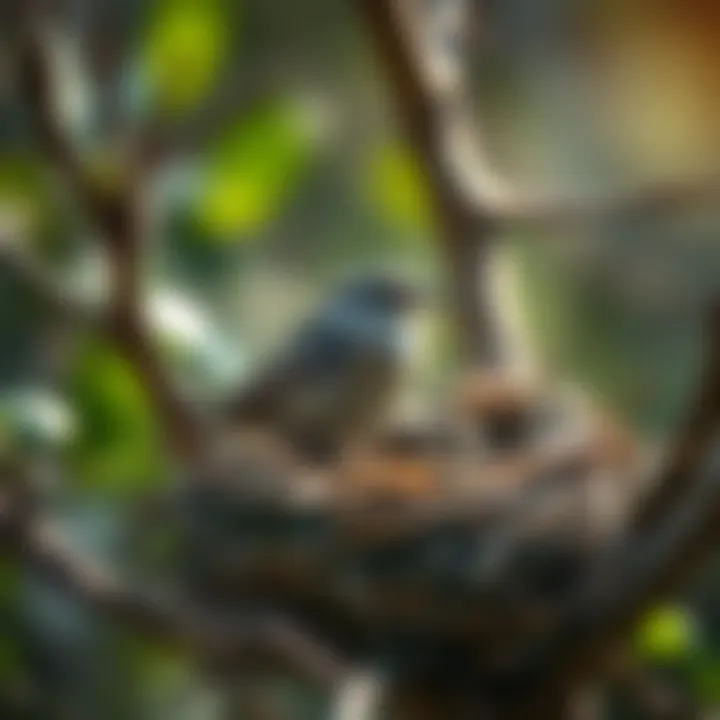
Different bird species manifest unique nesting preferences based on their environmental adaptations. Here are some common avian species and where they typically choose to nest:
- Sparrows: Often likened to humans in their social behavior, sparrows can be found nesting in both trees and buildings. They prefer locations that provide cover, such as dense shrubs or eaves of homes.
- Pigeons: These birds are not picky at all. They prefer ledges and other high places, making urban structures their prime nesting sites.
- Robins: They tend to favor building their nests close to the ground, often under eaves or in shrubs.
- Swallows: Known for their mud nests, swallows favor structure corners and ledges. They can often be seen swooping around for insects near their nesting sites.
It’s essential for homeowners to recognize these nesting habits in order to take timely action if needed. Adjusting elements in your garden or around your home can help create an environment that is less attractive to these birds.
"Understanding the nesting behavior of birds can significantly aid in preventing unwanted nest building, fostering a more harmonious relationship between humans and nature."
Identifying Problem Areas for Nesting
Identifying problem areas for nesting in residential or commercial properties is crucial for effective bird management. Understanding where birds are likely to build nests can inform property owners on preventive measures that need to be undertaken. This approach not only keeps structures free from unwanted nesting but also minimizes conflicts with local wildlife protection laws. The cost of cleaning and maintenance due to nests can compound over time, making it more beneficial to proactively deter nesting.
Assessing Your Property
To begin, a thorough inspection of your property will help in pinpointing potential nesting spots. Look for any sheltered areas that provide both cover and proximity to food sources. Common locations include eaves, rafters, and even gutters. It may surprise you, but even a small nook can entice birds to make themselves at home.
- Inspect rooftops for ledges that birds favor.
- Check decks and patios for potential hiding spots.
- Don’t neglect trees and shrubs; birds often prefer well-concealed settings.
- Look at outbuildings. These can be prime real estate for various bird species.
By conducting a diligent assessment of your property, you can take note of where modifications or preventive installations might be necessary. A little foresight today can save you a whole lot of hassle later.
Recognizing Signs of Nesting Activity
Being able to spot early signs of nesting activity gives property owners a significant advantage. While birds are often quiet, their behaviors can alert you to their interest in your property. Here are some indicators to watch for:
- Frequent bird sightings: If you notice the same species circling your property, they might be scouting for the ideal nesting spot.
- Gathering materials: Birds often gather twigs, feathers, or even bits of plastic for their nests. If you see such materials piled in a particular area, it could indicate nesting intentions.
- Unusual bird noises: Increased chirping or squawking can indicate that birds are establishing territory, often preceding nesting activity.
Recognizing these signs early can help you act quickly, ensuring that birds don’t set up camp and potentially lead to complications.
By understanding how to assess your property and acknowledge early signs of nesting activity, you arm yourself with the knowledge needed for an effective prevention strategy. This proactive approach is not merely about keeping birds away; it reflects a thoughtful harmony with nature, ensuring that both your living space and avian neighbors can thrive.
Legal Considerations in Bird Nest Removal
Addressing the issue of bird nesting on your property can be more complex than simply shooing the birds away. Understanding the legal framework surrounding bird nest removal is essential for a responsible approach. One must navigate local, state, and federal laws that protect various bird species, especially during nesting seasons. Failure to comply with these laws can not only hinder your efforts but can also lead to hefty fines and legal repercussions.
Recognizing the significance of legal considerations helps ensure that your interventions do not inadvertently violate regulations. It’s not just about preventing nests; it’s also about respecting wildlife's place in the ecosystem and complying with legislation aimed at protecting them. Knowledge of these regulations arms property owners with the right information to act within legal boundaries and make informed decisions about how to manage nuisance species without causing harm or legal issues.
Understanding Wildlife Protection Laws
Wildlife protection laws vary widely, depending on location, but in many areas, certain bird species are protected under acts such as the Migratory Bird Treaty Act of 1918 in the United States. This Act makes it illegal to harm migratory birds, their nests, or their eggs without a special permit. Other regions may have their specific statutes that offer varying degrees of protection.
It is essential for homeowners to identify local legislation concerning bird protection. Here are key considerations to keep in mind:
- Species Identification: Familiarizing yourself with common bird species in your area and their legal status is crucial. For instance, owls, eagles, and certain songbirds often find themselves under protective laws.
- Nesting Seasons: Many birds follow seasonal nesting patterns. Removing nests during the wrong time of year can lead to legal troubles, as laws often shield birds during the nesting period.
- Permits and Exceptions: In certain cases, you may obtain permits for nest removal if the birds pose significant hazards. Understanding the process for acquiring such permits—if necessary—could save you from future headaches.
Failing to adhere to wildlife protection laws can lead you down a rabbit hole of legal hikes, affecting not just your property, but potentially involving fines that could have been avoided with foresight and knowledge.
When to Seek Professional Help
Sometimes, dealing with birds and nests can feel like trying to nail jelly to a wall. If your attempts to deter nesting birds are falling flat, or if you're unsure about the legal intricacies involved, seeking professional assistance is a wise step. Here are some scenarios in which bringing in the experts makes sense:
- Persistent Bird Problems: If it seems like no matter what you try, trouble seems to follow those feathered friends, it’s time to call in a professional who understands avian behavior and can suggest tailored interventions.
- Complex Regulations: If you're stuck trying to decipher all the legal mumbo jumbo surrounding bird protection laws, consulting an expert can save you a lot of time and trouble. They often know the ins and outs and can guide you through the legal maze.
- Risk of Harm: If there’s a chance for personal harm or property damage when trying to remove nests, it’s best to leave the task to those who know how to handle it safely.
In summary, the legal aspects of bird nest removal should never be taken lightly. Failure to adhere to regulations can lead to unnecessary penalties while seeking professional guidance can help you navigate these complications effectively and ethically. Staying informed and compliant not only supports personal property management but also respects the intricate balance of our ecosystems.
Proactive Measures to Prevent Nesting
Addressing the issue of birds attempting to set up their homes in unwanted places requires a proactive mindset. By taking preventive steps, homeowners can minimize the likelihood of birds deciding to nest in their properties. The key idea here involves understanding both the habits of different bird species as well as the features of your own surroundings that may entice them.
Implementing proactive measures not only helps maintain the aesthetic appeal of your living space but also safeguards it from potential damage caused by nesting. Bird droppings can stain surfaces, and nests can block gutters, causing water damage. Moreover, being proactive ensures that you aren't constantly scrambling to remove nests, which can be both time-consuming and stressful.
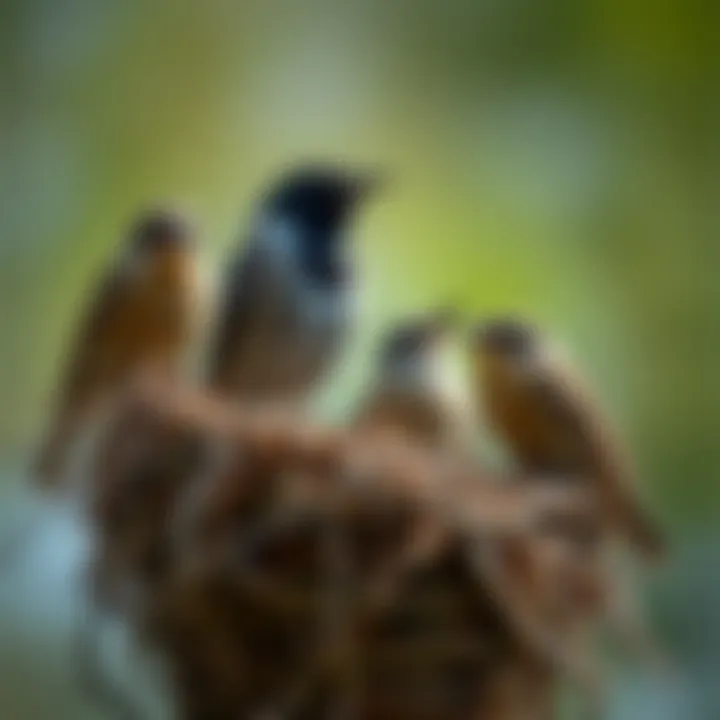
Strategic Modifications to Your Property
Every property is unique, and customizing modifications can significantly reduce the attraction for birds.
- Landscape Adjustments: Trim overgrown bushes and consider removing dense foliage. Some birds prefer thick cover for nesting, so keeping your garden well-maintained can dissuade them.
- Gutter Screens: Installing mesh screens on gutters can prevent birds from gaining access to a potential nesting site.
- Roof Overhangs: If there are overhangs that provide sheltered areas, consider altering their design or using barriers to close off access.
Such modifications may seem a bit tedious, yet they hold the potential for long-term benefits. Plus, they can enhance the safety of your home by minimizing nesting opportunities.
Using Visual Deterrents
Birds are highly visual creatures, meaning that employing visual deterrents can be quite effective.
- Reflective Surfaces: Hanging shiny objects, like old CDs or metallic strips, can create dizzying reflections that birds often shy away from.
- Predator Replicas: Setting up decoys of predators, such as owls or hawks, can discourage birds from nesting. Just ensure you periodically move these decoys to maintain their effectiveness.
- Bird Scare Tape: This tape flutters and glimmers in the wind, adding an extra layer of deterrent without causing any harm.
Incorporating these visual devices can provide an eye-catching solution while harmonizing with your garden or patio decor.
Sound-Based Deterrents
Sound can be just as persuasive as sight in the world of avian behavior. Implementing sound-based deterrents may require less effort than structural changes.
- Ultrasonic Repellers: These devices emit high-frequency sounds that are uncomfortable for birds but are generally inaudible to human ears.
- Recorded Calls: Devices playing natural predator calls can create an undesirable environment for birds. However, usage should be thoughtful, as constant noise can be bothersome to the homeowners as well.
- Wind Chimes: Though they create pleasant sounds, wind chimes can also scare birds away, especially when the wind blows.
These sound-based methods present an innovative way to keep your space bird-free without intrusive measures.
Proactive planning can save you a fortune in repair costs and discomfort in your environment.
Maintaining a harmonious relationship with nature, while preventing unwanted nesting, can be both achievable and beneficial. Implementing these strategies can provide you peace of mind, knowing your home is safeguarded against the influx of nesting birds.
Humane Methods for Deterring Birds
As we delve into the realm of preventing birds from nesting in undesired places, it’s vital to approach the topic with a humane perspective. Detering birds does not mean we should disregard their natural behavior or well-being. Instead, it’s about finding ways to coexist without causing them harm. Understanding humane methods is essential not only for ethical considerations but also for creating a balanced environment where both humans and birds can thrive.
Utilizing humane strategies helps keep your property bird-free while respecting wildlife. These approaches often minimize stress on the birds, reducing the likelihood of conflict and ensuring that any deterrents employed are environmentally friendly. Now, let’s explore some of these effective techniques.
Repellents and Natural Deterrents
One of the simplest yet effective methods of deterring birds is to use repellents and natural deterrents. These come in various forms, serving to create an unwelcoming atmosphere for our feathered friends. Salt and other harmless mixtures can be sprinkled in areas where nesting is not wanted, as many birds find these substances irritating. Additionally, using oils like peppermint can also act as a natural repellent due to its pungent scent.
Another interesting natural deterrent includes predator decoys. By placing plastic owls or hawks in potential nesting areas, you can create the illusion of danger, encouraging birds to seek safer places. Be mindful to move these decoys regularly so that the birds don’t become accustomed to their presence.
“Nature has its own way of keeping life in balance; we just have to nudge it a bit.”
Creating Habitats Uninviting to Birds
To stop birds from making themselves at home, consider how to make your property less appealing for them. The idea is to eliminate what attracts birds in the first place. For starters, keeping your yard tidy is crucial. This means removing debris like fallen branches and leaves, which can serve as nesting materials.
Another tip is to evaluate any fixtures around your property. Using rounded surfaces instead of flat ones for ledges and roofs can dissuade nesting since they provide a less stable environment for birds to build their homes. If you've got garden furniture, opt for designs that are difficult to perch on.
It's also beneficial to plant shrubs and plants that birds naturally avoid. For example, barberry is a brilliantly non-favorable shrub for many birds, thanks to its thorny nature. Moreover, maintaining a clean bird feeder and removing food sources can further help in creating an environment they choose to avoid. By fostering spaces that are not appealing, you can effectively deter birds from nesting without causing them harm.
Physical Barriers and Nest Removal Techniques
To tackle the issue of unwanted birds setting up shop in your surroundings, physical barriers and nest removal techniques stand as cornerstone strategies. When birds find a cozy place to call home near your property, their presence can quickly turn enjoyable birdwatching into an unwanted nuisance. Physical barriers not only serve as immediate deterrents but can also protect your space in the long run. Understanding these methods adds a layer of control over your living area while respecting the natural behavior of birds in the environment.
Installing Netting and Spikes
One of the most effective tactics to discourage birds from nesting involves the use of netting and spikes. These tools fend off many avian species by creating physical obstacles, preventing them from landing or settling down.
- Netting: This involves draping a mesh over areas where birds typically gather, such as patios, gardens, or overhangs. The key is to ensure the netting is both durable and tightly secured to prevent any gaps. Without a doubt, high-quality bird netting can be a reliable long-term solution to deter nesting. It's good to think of it as placing a barrier that says 'no entry' without causing harm to the birds.
- Spikes: Bird spikes can be installed on ledges, roofs, and railings, making it uncomfortable for birds to land. These spikes work by making it impossible for them to establish a foothold. When properly installed, they won’t harm birds but will force them to look elsewhere for a suitable nesting spot.
These installations can be particularly beneficial in urban settings where birds tend to gravitate toward man-made structures. However, ensure the choice of materials used does not inadvertently harm the local wildlife. The aim here is to find utilities that maintain your peace while still respecting the natural world.
Careful Nest Removal Practices
When the nest has already been established, careful removal becomes paramount. Not all bird species are in danger, but still, removing nests needs to follow a thoughtful approach.
- Timing: Remove nests during the off-season when birds are less likely to be nesting. Notably, springtime through early summer is when nesting is seen most frequently. Some birds may return to previous nesting sites, so it's essential to ensure you’re following local regulations regarding the timing of nest removal.
- Use Proper Tools: Gather necessary materials like gloves, a mask, and a sturdy bag for collecting the nest. While it might seem like just another chore, this ensures you are taking proper care of your health and keeping sanitary conditions in mind.
- Disposal: Safely dispose of the nest without simply throwing it away. If the birds used natural materials, consider composting them if local guidelines permit. This might seem insignificant, but being eco-friendly is always a plus.
It’s important to note that some species of birds are protected by law. Always check local regulations before removing any active nest.
In sum, implementing physical barriers combined with careful nest removal practices fosters an environment where both humans and birds can coexist peacefully, ultimately benefiting your living situation without causing harm to the avian world.
Monitoring and Follow-Up Actions
Monitoring and follow-up actions are essential components of effectively deterring birds from nesting in unwanted areas. The success of deterrent strategies hinges not just on implementation but also on continuous evaluation and adaptability to changing circumstances. By keeping a close eye and refining tactics as necessary, homeowners can create an environment that remains hostile to nesting behaviors.
Regular Inspections Post-Intervention
Once deterrent measures have been put into place, it’s crucial to establish a schedule for regular inspections of the areas previously identified as problem zones. These checks should ideally kick off shortly after the installation of deterrents, such as netting or sound devices, and continue on a routine basis that suits the specific circumstances of your property.
During these inspections, homeowners should look for signs that indicate whether birds are attempting to nest despite the deterrents. Indicators can include:
- Bird droppings: A sudden uptick in droppings can hint at increased avian activity.
- Feather remnants: Small feathers strewn about might suggest birds are settling in.
- Increased noise: Sounds made by birds can be a tell-tale sign that they’re interested in the space.
In addition to identifying signs of resistance from the birds, regular inspections allow a homeowner to assess the effectiveness of the methods employed. If deterrents are falling flat or birds seem to have found workarounds, this provides early warning signs that further measures may be necessary.
Establishing a practical inspection log can also help in tracking findings and changes over time, guiding future interventions.
Adjusting Strategies Based on Outcomes
The adaptation of strategies based on the outcomes of these inspections is where the real finesse occurs. If a particular method appears to be ineffective, it might be time to explore alternative tactics or improve upon existing ones. This is not merely about swapping out one solution for another but also about understanding the behaviors and preferences of the bird species in question.
For instance, if visual deterrents like reflective tape do not yield results, homeowners could consider implementing sound-based devices that disrupt nesting activity. Similarly, if checking regularly reveals that certain areas are constantly targeted, it might be worthwhile to physically alter those environments, such as changing the angle or properties of surfaces to discourage landings and nesting.
Ultimately, the flexibility to adjust approaches ensures that you remain one step ahead of these resourceful creatures. It also reflects a commitment to the humane treatment of wildlife, which often leads to more sustainable outcomes.
Regular adaptability is key. What works for one season or one group of birds might not apply to all birds or conditions in the future.
Through diligent monitoring, homeowners can effectively uphold the integrity of their spaces while promoting a wildlife management approach that respects both human needs and avian life.
Understanding that deterrence is an ongoing process, rather than a one-time fix, solidifies a homeowner's strategy against nesting birds. This dynamic approach not only fosters a more peaceful living environment but also nurtures a deeper comprehension of local wildlife interactions.
Culmination and Final Thoughts
Understanding and implementing effective methods to deter birds from nesting in unwanted areas is crucial for maintaining a clean and serene environment in both residential and commercial spaces. As we've explored throughout this article, the patterns and behaviors of birds can directly influence the quality of our surroundings, affecting everything from property aesthetics to potential damage.
Birds are more than just fleeting visitors; they contribute to our ecosystem. However, when they decide to make a home in a spot that disrupts our lives, proactive strategies must be employed. By adopting humane practices, we not only protect our properties but also ensure the well-being of our feathered friends. It's a delicate balance—a push and pull between nature's needs and our own.
Evaluating Effectiveness of Methods
To truly understand which deterrential methods yield the best results, conducting an evaluation is paramount. After implementing any new strategy, it's essential to monitor the affected areas closely. Here are some tips to assess the effectiveness of your chosen methods:
- Record Keeping: Keep a log of bird activity before and after interventions. This includes documenting sightings, nesting attempts, and observed behaviors.
- Adjust Tactics: If one method doesn’t seem to be doing the trick, don’t hesitate to adjust your strategy. Sometimes a combination of different techniques can prove more effective than a single approach.
- Seek Feedback: Talk to neighbors or local wildlife experts about successful practices they have implemented. Collaboration often leads to better outcomes.
By evaluating the effectiveness of these methods, you not only develop a deeper understanding of avian behavior but also affirm your commitment to a harmonious coexistence.
Promoting Bird-Friendly Practices
While the objective might be to deter birds from nesting in specific areas, it’s equally important to promote bird-friendly practices that encourage healthy interactions with these creatures. Educating yourself and your community about the importance of birds can create a mutually beneficial relationship. Consider the following approaches:
- Creating Natural Habitats: Set aside areas in your garden or property that are appealing to birds, such as native plants that provide food and shelter.
- Educate Others: Share information with friends and family about the ecological benefits of birds. The more people understand, the more likely they are to find balanced solutions.
- Avoid Harmful Methods: Steer clear of toxic substances or traps that can harm not only the targeted birds but also other wildlife.
Birds play a vital role in our environment. Embracing practices that protect their well-being while maintaining our spaces can lead to a collaborative approach that respects both human and avian needs. Through this understanding, we can create communities that flourish together, demonstrating a commitment to sustainability.