The Effectiveness of Cockroach Trappers in Pest Control


Intro
When it comes to household nuisances, few pests provoke as much dread as cockroaches. These resilient, nocturnal critters can spoil the contentment of any home. This article dives deep into the world of cockroach trappers, exploring their effectiveness as a pest control strategy. We’ll look into the different types available, their optimal placement, safety precautions, and why understanding the mindset behind a cockroach infestation is crucial for effective management. Knowing this can spell the difference between tolerating a creeping invasion and effectively reclaiming your space from these unwanted guests.
Identification of Common Pests
Description of Common Pests
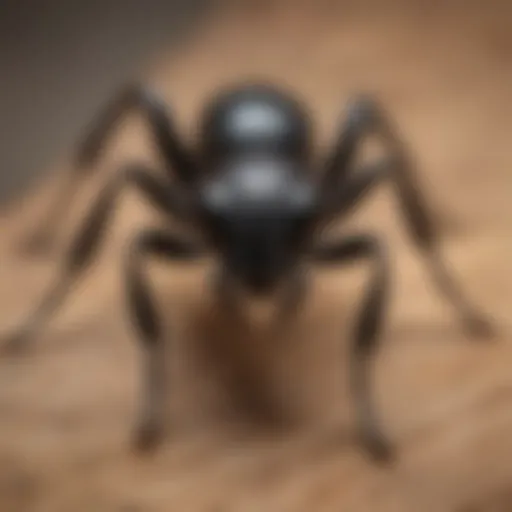
Cockroaches, notably the American, German, and Oriental species, tend to make an appearance in homes, especially where food and moisture are present. The American cockroach can grow quite large, boasting a reddish-brown hue and a penchant for warmth, while the German cockroach is smaller and often hides in kitchens and bathrooms. Oriental cockroaches, on the other hand, are darker and prefer cooler areas. Despite their differences, all share an alarming ability to multiply rapidly, making early identification essential.
Signs of Infestation
Detecting a cockroach invasion isn’t just about catching sight of one skittering across the floor; there are subtler signs to be on the lookout for:
- Droppings: Small, dark, and cylindrical, these can often be found near food sources.
- Egg Cases: Known as oothecae, these are brown and oval, with each case holding several eggs.
- Odor: A musty scent can linger in an area where there’s an infestation.
- Shed Skins: As cockroaches grow, they shed their skins, leaving behind remnants that can be found in various nooks.
Prevention Techniques
Home Maintenance Tips
Keeping a clean house can go a long way in prevention. Here are practical maintenance tips:
- Seal Cracks and Crevices: Close off any entry points where roaches might wander in, be it through walls, windows, or doors.
- Storage Solutions: Use air-tight containers for food, as those scavengers are adept at finding even the tiniest crumbs.
- Regular Cleanups: Ensure your kitchen is clean daily, especially areas where food is prepared or consumed.
Environmental Modifications
Small environmental changes can significantly affect how inviting your home is to cockroaches:
- Reduce Moisture Levels: Fix leaking pipes, as damp environments attract roaches.
- Limit Clutter: Minimalistic approaches eliminate hiding spots, making it less attractive
- Check Outdoors: Maintain your garden and outside areas, ensuring that compost heaps and neglected zones aren’t harboring pests.
Eco-Friendly Pest Control Options
Natural Pesticides
With growing awareness of eco-friendliness, many homeowners are exploring natural alternatives:
- Boric Acid: Effective against cockroaches, it's often used as a powder, applied in places where roaches are prevalent.
- Diatomaceous Earth: A non-toxic powder that harms roaches but is safe for humans and pets.
Organic Pest Control Techniques
Many prefer organic options to chemical treatments. Here are a few:
- Essential Oils: Several oils, including peppermint and tea tree oil, serve as natural repellents.
- Boric Acid Mixtures: Combine boric acid with sugar as an enticing bait while effectively eliminating roaches.
Remember: Best practices involve combining various methods to ensure long-term relief from cockroach infestations.
By integrating the insights mentioned above, homeowners can tackle the issue of cockroaches with a well-rounded, well-informed approach. The stability of a home depends on maintaining both its physical environment and mental peace, especially when dealing with unwelcome visitors. For further understanding of pest management, consider checking out resources like Wikipedia or government sites on pest control.
Prologue
In the realm of home management, the presence of cockroaches often evokes visceral reactions, from disgust to fear. This illuminates a key aspect of pest control: understanding not just the pests themselves, but the tools developed to combat them. The focus of this article is on cockroach trappers, a pivotal yet often overlooked element in the larger framework of pest eradication.
The efficacy of cockroach trappers, when examined deeply, reveals layers of impact on both the home environment and the psychological well-being of its inhabitants. Homeowners grapple with the implications of an infestation – from health risks to the embarrassment of an uninvited bug threat within their sanctuary. Herein lies the dual importance of these devices: they serve a practical function and also contribute to a sense of control and cleanliness in domestic spaces.
Understanding the Cockroach Phenomenon
Cockroaches are formidable creatures, perfectly adapted to survive in urban environments. Their resilience is remarkable; they can thrive on minimal sustenance and reproduce with alarming speed. This adaptability is what makes them a persistent problem for homeowners. Understanding the cockroach phenomenon is crucial. It encompasses everything from their behaviors to their preferred lurking spots. For example, did you know that cockroaches are nocturnal, scuttling around at night while we sleep? Recognizing their habits can aid in strategic placements for traps, increasing the odds of effective capture. By grasping these nuisances' tendencies, homeowners can tailor pest control measures that resonate with the behavioral patterns of these pests.
Relevance of Pest Control
Pest control isn't merely about removing unwanted guests; it has far-reaching implications for health and hygiene. Cockroaches aren’t just unsightly; they can carry pathogens, leading to respiratory issues and food contamination. The relevance of implementing efficient pest control methods, such as cockroach trappers, cannot be overstated. These devices not only serve to catch roaches but also act as a deterrent against future infestations. Homeowners can enjoy food prep areas and living spaces that are not only clean but perceived as safe environments. Maintaining a home involves proactive pest management, and recognizing its significance can convert a space from potential risk zones to havens of well-being.


"Effective pest management begins with understanding your enemy and employing tailored strategies."
As this article unfolds, we will delve into the mechanisms behind various types of cockroach trappers, their effectiveness compared to alternative methods, and myriad factors that influence their success. Through this exploration, homeowners will gain insights that equip them with robust methods to tackle cockroach invasions. Understandably, the psychological impact of living with these pests is another critical area we will explore, as it highlights why effective pest control is an essential facet of home life.
Cockroach Trapper: Definition and Purpose
Cockroach trappers are vital tools in the ongoing battle against these resilient pests. Understanding their definition and purpose forms the backbone of effective pest management strategies. These devices serve not only to catch cockroaches but also to provide insight into the larger issues of pest control in homes and businesses.
What is a Cockroach Trapper?
A cockroach trapper is a specialized instrument designed to capture cockroaches, whether live or dead, to help monitor and manage infestations. The most common types include glue traps, live catch traps, and electric traps. Each of these has its own unique appeal targeted toward different user preferences and infestation situations.
For instance, glue traps, which are perhaps the simplest, utilize an adhesive surface to ensnare cockroaches when they cross over. This type is often favored for its ease of use and cost-effectiveness. On the other hand, live catch traps aim to capture cockroaches unharmed, allowing for relocation. Electric trappers, quite advanced, use currents to incapacitate cockroaches almost instantly. The choice of trap often depends on the user’s ethical considerations and efficiency needs.
Mechanism of Action
The mechanism of action varies significantly among the different types of cockroach trappers.
- Glue Traps: These work by leveraging a sticky surface where roaches are lured in by bait or their natural instincts, becoming stuck and unable to escape. Once trapped, monitoring becomes straightforward; the absence of movement signifies the success of the strategy.
- Live Catch Traps: These typically incorporate bait and a one-way entrance. They allow roaches to enter for the smell of food but prevent them from exiting. This mechanism is particularly effective in areas where homeowners prefer not to kill pests.
- Electric Traps: These devices utilize a circuit that delivers a quick electric shock upon contact with the bait. This method effectively reduces the cockroach population without mess and is often considered more humane than other forms.
"Understanding how these traps work can streamline your pest control efforts and make them more efficient."
Each trap serves as a small, strategic part of a larger pest control ecosystem. The proper use of cockroach trappers can significantly impact overall pest management strategies, ensuring that homeowners not only reduce cockroach numbers but also gain insights into their behaviors and movement patterns. Recognizing the effectiveness and purpose behind these tools will aid in the formulation of a comprehensive approach to pest control.
Types of Cockroach Trappers
Understanding the types of cockroach trappers is essential for anyone looking to manage pest issues effectively. Each type serves a distinct purpose and can be utilized based on specific circumstances. Choosing the right trap not only addresses the immediate problem but also considers safety, efficacy, and environmental impact. By exploring these different types, homeowners can select a method of control that aligns with their preferences and requirements.
Glue Traps
Glue traps are perhaps the most commonly recognized cockroach trap. They work by utilizing an adhesive surface to capture roaches that come into contact with them. These traps are typically quite straightforward in design—made of a cardboard base with a sticky substance that ensnares the pests.
- Easy to Use: Simply place them in areas where cockroaches are frequent. For example, behind appliances or in dark corners of kitchens. No special technique needed.
- Cost-Effective: Often sold in bulk, these traps provide a budget-friendly option for pest control.
- No Toxic Chemicals: For those wary of pesticides, glue traps serve as a non-toxic alternative, making them safe for households with pets and kids.
However, glue traps come with drawbacks. They do not kill the insects quickly, leading to prolonged suffering, which can be unsettling for many. Additionally, they might not catch larger infestations since roaches can sometimes avoid them after experiencing a previous encounter.
Live Catch Traps
Live catch traps stand out for their humane approach to pest control. They are designed to capture cockroaches alive, allowing for relocation rather than extermination. These traps can typically capture several insects at once.
- Humane Nature: For those who prefer not to harm animals, live catch traps offer a green solution.
- Multiple Captures: Unlike glue traps, these traps can often contain many cockroaches before requiring attention, making them a viable option for significant infestations.
A common concern with live catch traps is the need for ongoing maintenance. Once caught, the cockroaches must be released far enough away to ensure they don't return. This involves a bit more involvement than simply disposing of a glue trap. Plus, if not monitored regularly, trapped roaches can die due to stress, lack of food, or water.
Electric Traps
Electric traps represent a more high-tech approach to dealing with cockroaches. These traps utilize a buzzing electric grid that delivers a lethal shock upon contact, killing the insect almost instantly.
- Quick Kills: The speed at which this trap kills ensures minimal suffering, making it a preferred choice for many.
- High Efficiency: Electric traps are particularly effective for larger roach populations, as they can quickly despatch multiple insects in a short span of time.
- Low Maintenance: There is less need for frequent checking when using electric traps, as they don’t require the same degree of oversight as glue or live catch traps.
Nevertheless, electric traps do come with some limitations. They are often more expensive than their non-electric counterparts and may require a power source to function well. It's crucial to carefully consider placement to ensure they operate effectively, keeping them away from areas with moisture or potential blockage by debris.
Understanding these various types of cockroach trappers allows homeowners to make an informed choice based on their needs, the level of infestation, and personal values around pest management. No matter the method, employing cockroach trappers effectively requires thoughtful placement and proper monitoring to maintain household hygiene and comfort.
Effectiveness of Cockroach Trappers
The effectiveness of cockroach trappers is a vital consideration for anyone dealing with these persistent pests. This section digs deep into what makes these devices not just tools, but critical components of an effective pest control strategy. Understanding their efficacy allows homeowners to make informed decisions that don't just aim for a quick fix but seek long-term solutions.
Comparison with Other Methods
When it comes to pest control, many methods exist, each with its strengths and weaknesses. Cockroach trappers offer several advantages over traditional chemical treatments and other pest management approaches.
- Less Toxicity: Unlike sprays and poisons, cockroach trappers minimize the risk of toxic exposure, especially to children and pets.
- Wholesale Control: Trappers allow homeowners to monitor the presence of pests more transparently. It’s easier to gauge how bad the infestation is by simply checking the trap.
- Eco-Friendly Approach: Many modern trappers utilize non-toxic materials, making them safer for the environment compared to chemical-laden alternatives.
- Cost-Effectiveness: While initial costs might be comparable to other methods, their longevity and reusability often lead to savings in the long run.


The choice of method often boils down to personal preference and specific circumstances. However, the reliability and transparency provided by cockroach trappers make them a formidable option.
Factors Influencing Efficacy
Several key factors determine how effectively a cockroach trap works in a given setting. These include trap design and material, environmental conditions, and the density of cockroach populations.
Trap design and material
The design and material of cockroach trappers play a pivotal role in their overall effectiveness. A well-designed trap can make all the difference in attracting and retaining these insects.
- Key Characteristics: Traps made from durable, non-breakable materials ensure longevity, while the design should facilitate easy entry for cockroaches.
- Unique Features: Some traps are equipped with attractants like pheromones or bait, which significantly enhance their catching ability. This feature can pull cockroaches in even from a distance.
- Advantages: A well-built trap is not just a one-time investment; its effectiveness can persist over months, making it a practical choice for persistent infestations.
Traditionally, glue traps are popular because they are simple to use and effective at capturing cockroaches without exposure to harmful chemicals.
Environmental conditions
Environmental conditions can dictate how effectively a cockroach trap operates. Understanding your home’s surroundings can improve the success rate of any pest control strategy.
- Key Characteristics: Variables like humidity, temperature, and the presence of light can impact how cockroaches interact with traps.
- Unique Features: For example, higher humidity may make glue traps less effective as they can lose their stickiness. Conversely, traps placed in dark, damp corners may lure more cockroaches.
- Advantages/Disadvantages: While certain conditions can work against traps, understanding and manipulating these factors allows homeowners to significantly increase efficacy.
Population density of cockroaches
The density of cockroach populations in a given area is a crucial aspect of pest management. Higher numbers can overwhelm even the best traps.
- Key Characteristics: When infestations reach critical levels, it may require a multi-faceted approach combining traps with other control measures.
- Unique Features: Not every trap is designed for high-density populations. Some traps are better at handling large numbers, while others may help when the infestation is at an early stage.
- Advantages: Knowing the population density can guide homeowners on where to place traps more effectively, focusing on hotspots of cockroach activity.
Placement and Strategy
When considering the efficacy of cockroach trappers, placement and strategy are pivotal. Selecting the right spots for your traps significantly boosts the chances of catching these pesky critters. It’s akin to playing chess; your moves need to be well-thought-out to outsmart the opponent, in this case, the cockroach.
Benefits of Strategic Placement
By placing traps in high-traffic areas, you essentially create an invitation for cockroaches. These little invaders are creatures of habit, often following their trails. When traps are set along their typical routes, the likelihood of capturing them increases dramatically. Here’s what to keep in mind:
- Identifying Hotspots: First, pay close attention to environments they frequent. Areas under sinks, behind appliances, and near waste bins are prime real estate for cockroaches.
- Proximity to Food and Water: Position traps close to potential food and water sources because cockroaches will always seek nourishment. Their survival instincts lead them to these places, making it smart to put traps nearby.
- Avoid Obstructions: Ensure that nothing hinders the trap’s visibility or accessibility. Clutter can be a cockroach’s best friend— it provides cover.
Also, consider seasonal variations as cockroach behavior can change. warmer months might prompt them to seek refuge indoors, hence a strategic reevaluation is essential.
Optimal Locations for Trappers
Optimal placement of cockroach trappers can be the difference between a successful pest control strategy and an ongoing nightmare. Here are a few recommended locations for setting up those traps:
- Under the SinkKitchens are often a hub for cockroach activity, especially near plumbing where moisture accumulates. Traps in this area can efficiently target populations that thrive close to water.
- Behind AppliancesRefrigerators, stoves, and dishwashers provide both moisture and warmth. Placing trappers behind these can effectively lure in cockroaches seeking shelter or food remnants.
- Near Garbage CansWaste disposal areas attract cockroaches like bees to honey. Positioning traps here can help catch them as they feast on leftovers.
- In Basements or GaragesIf your home has a basement or garage, don’t overlook them. These spaces are often neglected but can serve as perfect hiding spots for cockroaches.
- In Crawl SpacesAreas that are dark and damp often attract a variety of pests, including cockroaches. If accessible, placing traps in these nooks can help control the population effectively.
"Even the best trap becomes ineffective if not placed with care."
Frequency of Monitoring and Maintenance
Monitoring your traps regularly is just as crucial as placement. Traps can lose effectiveness over time, so a consistent check-in can be beneficial. Here’s why it’s important to stay on top of trap maintenance:
- Assessing Efficacy: Regular monitoring allows homeowners to gauge how well the traps are working. Are they catching anything? If not, it might indicate poor placement or, worse, a larger problem at hand.
- Replacing Traps: Whether it’s due to deterioration or becoming saturated with caught roaches, knowing when to change traps ensures they remain effective. A trap that’s full or broken won’t catch any more roaches.
- Cleanliness Matters: Keep trapping zones clean. Removing debris and food residues helps make traps more appealing to cockroaches and prevents other pests from being attracted instead.
Safety Considerations
The significance of safety considerations cannot be overlooked when discussing the application of cockroach trappers. Homeowners, particularly those with small children or pets, must seek not just effective pest control but also assurance that the methods used are safe and non-threatening. The safety aspect encompasses an array of elements, from the materials used in traps to the proper handling and disposal of trapped insects.
Ensuring the well-being of all household members while tackling pests is paramount. With cockroach infestations often leading to a sense of unease or discomfort, finding a method that alleviates these concerns without introducing new dangers is a win-win situation.
Non-Toxic Options
When it comes to selecting cockroach trappers, non-toxic options should be at the forefront of your mind. These traps leverage materials and formulas that do not contain harmful chemicals, making them suitable for families. Commonly used non-toxic alternatives include glue traps that lack pesticides, as well as live catch traps that simply hold the cockroaches without killing them.
Benefits of non-toxic options include:


- Safety for Children and Pets: Non-toxic traps minimize the risk of accidental ingestion or exposure to harmful substances.
- Environmentally Friendly: Many non-toxic traps have a lesser environmental impact, promoting a healthier ecosystem.
- Peace of Mind: Knowing that your pest control methods aren’t harmful creates a sense of calm in the home.
Handling and Disposal
How you handle and dispose of cockroach traps is just as important as their initial placement and design. Proper procedures can ensure that you sidestep potential health risks associated with cockroaches and their carriers.
For glue traps, it’s essential to approach them carefully to avoid direct contact with the adhesive surface. If a trap captures, say, a cockroach, it’s vital to follow an appropriate disposal method. For example, most experts recommend sealing the trap—cockroach and all—in a plastic bag before throwing it away in the trash. Always wash your hands thoroughly after handling any pest control item.
For live traps, the focus should shift to how you release the captured cockroach. It is generally advisable to relocate the insects far from your home, ideally at least several miles away, to prevent them from finding their way back. When disposing of traps or indirect materials, local waste disposal regulations should be followed to keep both your home and the local environment healthy.
In summary, safety considerations in the context of cockroach trappers play a critical role in pest management. With cautious selection and vigilant handling, homeowners can confidently tackle infestations without compromising their household's safety.
Integrated Pest Management (IPM)
The concept of Integrated Pest Management (IPM) plays a vital role in formulating strategies that not only address cockroach infestations but also pave the way for sustainable pest control methods. As the name suggests, IPM integrates various pest management practices to create a holistic approach toward eliminating pests like cockroaches. The goal is to minimize any potential risks to human health and the environment while ensuring effective control of pest populations.
Understanding IPM Principles
To grasp the essence of IPM, one must first understand its core principles, which are rooted in ecological considerations. Essentially, IPM is a multi-faceted strategy that combines biological, cultural, mechanical, and chemical methods. The following points encapsulate the foundational elements of IPM:
- Prevention: This is the first line of defense. IPM recommends taking proactive steps such as proper sanitation and structural repairs to eliminate potential cockroach habitats.
- Monitoring: Regular observation and assessment of pest populations allow for informed decision-making. By tracking cockroach activity, it becomes possible to pinpoint the most effective control strategies.
- Threshold Levels: IPM introduces the idea of action thresholds—levels at which pest populations become a concern. Knowing these thresholds enables better timing in applying control measures without unnecessary interventions.
- Targeted Control Measures: Rather than blanket chemical applications, IPM advocates for a precision-based approach, which can include traps, barriers, or selective pesticides that minimize harm to beneficial organisms in the environment.
These principles emphasize sustained efficacy in managing cockroach populations while promoting environmental conservation and public health safety.
Role of Cockroach Trappers in IPM
Cockroach trappers occupy a significant place within the IPM framework. They serve not merely as a reactive measure but as a proactive tool aimed at managing infestations more effectively. Here are some concrete ways in which cockroach trappers contribute to IPM:
- Non-Chemical Control: Trappers offer a method of pest control that does not rely on chemicals, thereby reducing exposure risks to humans and pets. This aspect is particularly appealing to many homeowners conscious about the potential negative effects of chemical pesticides.
- Early Detection: The use of traps aids in early detection of cockroach populations. When placed in strategic areas, traps can signal a rise in infestations, enabling swift action before the problem escalates.
- Data Collection: Traps provide valuable data on cockroach activity, helping homeowners and pest professionals gauge the extent of the infestation. Knowledge about peak activity periods can inform better timing for control measures.
- Integration with Other Strategies: Trappers work best when combined with other IPM strategies, such as sanitation and habitat modification. For instance, while traps capture individual cockroaches, improving sanitation helps reduce their food sources, creating a dual-focused approach for long-term success.
The practical application of cockroach trappers within an IPM strategy not only ensures immediate action against pests but also fosters a sustainable environment by minimizing ecological disruption.
Psychological Impact of Cockroach Infestations
The presence of cockroaches in residential spaces is not just a matter of physical discomfort; it delves deep into the psychological realm, affecting emotional well-being and altering perceptions of cleanliness. When households find themselves grappling with these unwanted guests, the tension often escalates beyond mere pest control, touching on the very essence of personal hygiene and comfort.
Understanding the psychological implications is crucial, as it can foster a comprehensive approach to pest management. This section explores the emotions tied to infestations, alongside public perceptions regarding pest control practices. By shedding light on these considerations, readers—particularly homeowners and housewives—can appreciate the broader narrative surrounding pest issues.
Emotional Well-Being and Hygiene
Cockroaches are often seen as harbingers of filth, causing anxiety and distress among residents. Their mere presence can invoke feelings of disgust and insecurity, leading one to question their cleaning routines and home environment. Research indicates that cleanliness perceptions play a significant role in how individuals respond to pest issues. In essence, seeing a cockroach can trigger a wave of negative emotions, from embarrassment to helplessness.
- Feeling of Insecurity: Households may feel unclean or inadequate when faced with infestations. The emotional rollercoaster can greatly affect how comfortable one feels in their own home.
- Stress and Anxiety: The thought of a cockroach crawling across countertops or hiding in cabinets is enough to bring about considerable unease, especially in families with children or pets. This stress can manifest as sleep disturbances or an overall decrease in quality of life.
- Hygiene Perceptions: Society often equates pest presence with poor hygiene, which isn’t always true. Many clean homes can still face infestations, so shifting these perceptions becomes crucial in preserving emotional well-being.
"Cockroaches can turn a serene living space into a battlefield of anxiety and concern among homeowners, highlighting the pressing need for effective pest management solutions."
Public Perception of Pest Control
Within society, the view of pest control methods has evolved. Homeowners often seek out immediate solutions to bolster mental peace. Traditional methods of pest control can carry a stigma, perceived as harsh or unpleasant. However, with increased awareness of integrated pest management (IPM) strategies, there's a shift towards more humane and eco-friendly practices.
- Growing Understanding of IPM: Many now advocate for methods that focus on prevention, control, and education. Homeowners are keen on understanding these approaches, fostering a sense of responsibility for their environment.
- Community Responses: Public discussions around pest control can shape opinions on its necessity and effectiveness. Local community efforts, such as workshops on pest prevention, have been emerging, encouraging residents to engage with pest management actively.
- Fear and Stigma: The fear associated with cockroaches can perpetuate stigma, making people hesitant to address problems openly. This silence can lead to bigger infestations, worsening the psychological burden.
Ultimately, addressing the psychological implications of cockroach infestations is paramount. By empathizing with the emotional turmoil that accompanies pest issues and fostering healthy public perceptions around pest control, homeowners can engage more actively in creating safe, pest-free environments.
The End
The conclusion serves as a crucial summation of the insights discussed throughout this article. It is vital for readers, particularly homeowners and housewives, to grasp the importance of effective pest management strategies, especially concerning cockroach infestations. Understanding the operational mechanisms, the types of cockroach trappers available, and their strategic placement can empower individuals to take charge of their living environments.
Summarizing Key Insights
Throughout this piece, we've explored the variety of cockroach trappers and their effectiveness in addressing these stubborn pests. From glue traps that ensnare cockroaches to electric traps that deliver a quick result, each type brings unique advantages. The efficacy of these traps is not solely based on their design but is also influenced by environmental factors like temperature, humidity, and the cockroach population density.
Additionally, the strategic placement of these traps is pivotal. It requires an understanding of the cockroach's habits and preferences. For instance, setting traps in dark, moist corners of the kitchen can yield better results. Regular maintenance and monitoring ensure that traps do not become ineffective due to dust or accumulated residue, reinforcing the importance of vigilance.
Most importantly, the psychological impact of a cockroach infestation cannot be underestimated. The mere presence of these insects can lead to stress and anxiety among households. Thus, a robust pest control strategy does more than eliminate pests; it enhances emotional well-being and restores a sense of security in one’s home.
Future Directions in Cockroach Management
Looking ahead, it’s clear that advancements in pest control technology will continue to evolve. Future strategies may include more eco-friendly solutions that leverage natural predators or pheromonal lures that draw cockroaches away from living spaces. Homeowners should remain informed not just about the products that are available but also about ecological considerations, aligning their pest control efforts with sustainable practices.
Moreover, continued research in behavioral studies of cockroaches can lead to improved trapping methods. For example, an additional focus on the effectiveness of design modifications in traps could yield innovations that offer both functionality and humane treatment of these creatures. Pest management needs to be an ongoing dialogue among homeowners, pest control professionals, and researchers. By fostering collaborative efforts, we can create a holistic approach that secures our homes from these unwanted invaders while preserving the environment.
Ultimately, whether employing cockroach trappers or integrating them into a broader pest management strategy, the onus lies on individuals to take proactive measures. The right knowledge and tools can turn the tide in the battle against these resilient pests.