Comprehensive Guide to Bifen Insecticide Applications


Intro
In the realm of pest management, understanding the products available becomes crucial for effective control. Bifen, an insecticide that has made significant strides in both residential and commercial pest management, provides a potent solution for tackling various insect nuisances. This guide aims to delve into Bifen's applications, its effectiveness, and essential safety tips for users. Knowing its chemical properties and mode of action is vital in navigating the options for pest control. With Bifen at the forefront, homeowners and professionals alike can make informed decisions to safeguard their spaces against unwanted pests.
Identification of Common Pests
To effectively employ Bifen, it's essential first to recognize the common pests that might be present in your surroundings.
Description of Common Pests
Pests can range from the tiniest ant to larger invaders like rodents, each exhibiting unique behaviors. Familiarizing yourself with these pests can aid in selecting appropriate control methods. Common household pests include:
- Ants: Often found in kitchens, these pests can swarm when food sources are abundant.
- Cockroaches: Notorious for their resilience, cockroaches thrive in warm, moist environments.
- Termites: Wood-destroying insects that can silently compromise the structural integrity of your home.
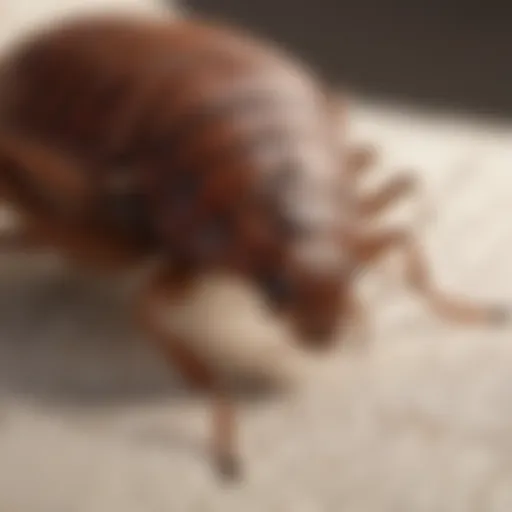
- Bed Bugs: Small, elusive insects that hide in bedding and furniture.
- Flies: Houseflies and fruit flies can be significant nuisances, especially in food preparation areas.
Signs of Infestation
Detecting a pest problem early can mitigate extensive damage. Look for specific signs of infestation, including:
- Unexplained droppings or shed exoskeletons in various areas of the home.
- Small, active groups of insects, especially near food sources or moisture.
- Damage to wood or furniture indicative of termites.
- Unusual bite marks or skin irritations suggesting bed bugs.
Understanding these signs empowers homeowners to act swiftly and effectively. If left unchecked, these infestations can escalate, compounded by the risk of potential health issues.
Prevention Techniques
Once pests are properly identified, it is time to explore preventive measures to keep them at bay.
Home Maintenance Tips
Maintaining a pest-free home requires a combination of vigilance and proactive measures. Consider these home maintenance tips:
- Seal Cracks and Openings: Inspect doors, windows, and walls for any gaps and seal them to prevent entry.
- Proper Food Storage: Keep food in airtight containers to deter scavenging pests.
- Regular Cleaning: Maintain cleanliness by sweeping floors, particularly in kitchens and dining areas, to eliminate food particles.
- Waste Management: Ensure garbage bins are tightly sealed and disposed of regularly.
Environmental Modifications
Making small modifications to the environment can discourage pests from taking up residence:
- Eliminate Standing Water: Check for any puddling or stagnant water, which can attract pests like mosquitoes.
- Landscaping Practices: Trim back vegetation that touches the exterior walls, reducing hiding spots for pests.
- Good Ventilation: Ensure proper airflow in attics and basements, making these spaces less hospitable to pests.
By implementing these techniques, you create an unwelcome atmosphere for pests before they become a major issue.
Eco-Friendly Pest Control Options
While Bifen remains a formidable tool in pest management, exploring eco-friendly alternatives can provide added benefits.
Natural Pesticides
Incorporating natural pesticides, often derived from plant sources, can be a safe method for pest control. For example:
- Neem Oil: Derived from the seeds of the neem tree, it's effective against various insects without harming beneficial species.
- Diatomaceous Earth: A powdery substance that can eliminate pests by damaging their exoskeletons when they come into contact with it.
Organic Pest Control Techniques
Adopting organic pest control techniques can complement the use of chemical products, ensuring a more balanced approach. Some effective methods include:
- Companion Planting: Certain plants, such as marigolds, can naturally repel insects.
- Hand-Picking: Manual removal of pests can be effective, especially for larger insects like caterpillars.
- Homemade Traps: Simple traps made from natural ingredients can capture unwanted pests without the need for chemical intervention.
Utilizing these eco-friendly options alongside Bifen not only provides a more holistic pest management strategy but also minimizes the potential negative impact on the surrounding environment.
Understanding the nuanced roles of Bifen and implementing various pest control strategies empowers home and business owners to maintain a pest-free environment effectively. Equipping yourself with this knowledge will lead to better decision-making, crucial for both your property's integrity and your peace of mind.
Prelude to Bifen
Bifen has carved out a significant niche in the world of pest management, and understanding its role is critical for anyone dealing with pesky intruders in their homes or businesses. It is more than just a tool; it is a multifaceted option for effective pest control. Householders often face a barrage of unwelcome guests, be it ants marching in a line or roaches hiding in the most obscure corners. This intricate dance between humans and pests makes insecticides like Bifen all the more relevant.
Definition and Composition
Bifen refers primarily to Bifenthrin, a synthetic pyrethroid. Its man-made nature mirrors that of natural pyrethrins found in chrysanthemum flowers, but with enhancements that make it more potent against a range of insects. Bifen disrupts the nervous system of insects, leading to paralysis and eventual death.
Its composition includes various carriers and stabilizers that allow Bifen to be both effective and manageable. For example, formulations can range from liquid concentrates to granules, each designed specifically for various applications—from indoor use to agricultural settings.
History of Use in Pest Control
The journey of Bifen in the pest control industry stretches back several decades. Initially introduced around the late 20th century, Bifen quickly gained traction among pest control professionals and agriculturalists. The allure of its low toxicity to humans and pets, paired with its effectiveness against hard-to-kill pests, made it a favored choice.
Early users reported significant improvements in controlling termites and other wood-destroying insects. Over time, the versatility of Bifen expanded, making its way into homes, gardens, and commercial establishments. As studies confirmed its efficacy and safety when used correctly, it became a staple in pest management programs.
"Knowledge is power. Whether you are a homeowner or a professional pest controller, understanding the tools you are using can make all the difference."
With this knowledge, housewives and homeowners can approach pest control more confidently. The insights gained from the history and composition of Bifen set the tone for its effective application in managing pest populations.
Mechanism of Action
The section on the mechanism of action of Bifen is paramount in understanding how this insecticide efficiently controls pest populations. Knowing how Bifen interacts with insects at a chemical level helps not only in appreciating its effectiveness but also in considering the implications of its use within various environments. This knowledge allows homeowners and pest management professionals to utilize Bifen thoughtfully and responsibly.
Chemical Interaction with Pests
At the heart of Bifen's success in pest management is its chemical composition, primarily based on bifenthrin. Bifenthrin is a synthetic pyrethroid, which means it mimics the effects of naturally occurring pyrethrins found in chrysanthemum flowers. When Bifen comes into contact with pests, it interferes with the way their nervous systems function.
Here's how it works:
- Disruption of Sodium Channels: Bifenthrin binds to sodium channels in insect neurons. This disrupts the normal flow of sodium ions, leading to continuous nerve firing. The result is paralysis, followed by death, as the insect can no longer perform essential functions.
- Altered Locomotion and Metabolism: Pests exposed to Bifen show erratic behavior. They find it difficult to move, which makes them more susceptible to predation or environmental hazards. Also, the metabolism of the insects is affected, further accelerating their demise.
This disrupts the life cycle of pests significantly. With fewer pests around, there's less competition for resources and a healthier ecosystem overall.
Impact on Insect Nervous Systems
Understanding the impact on insect nervous systems is crucial for those engaged in pest control. Bifen's ability to target specific nerve receptors makes it a valuable tool in managing pest populations while minimizing risks to non-target species. The reason this precision is important is due to the unique structure of insect nervous systems compared to those of mammals.
In insects, the nervous system is structured differently, and Bifen takes advantage of developmental distinctions to maintain efficacy against various pest species. When used correctly, Bifen has a couple of notable impacts on insects:
- Prolonged Neurotoxicity: The effects of Bifen are not immediate; rather, it has a prolonged action due to its residual capabilities. Once applied, it can continue functioning effectively for weeks, making it an excellent choice for both immediate and long-term control.
- Low Resistance Development: One benefit of Bifen is that pests may not easily develop resistance to its action. By impairing critical pathways in their biology, Bifen helps maintain its effectiveness even after repeated applications.
"Understanding how Bifen operates within insect systems allows for more informed decisions in pest management, ensuring both efficacy and safety within our homes."
In summary, comprehending the mechanisms by which Bifen acts can guide users—particularly homeowners—on appropriate application techniques while ensuring environmental safety. This knowledge not only enhances the effectiveness of pest control strategies but also fosters more sustainable practices in managing pest populations.
Common Uses of Bifen
Bifen is more than just a buzzword in pest management; it’s a pivotal solution for many common infestations seen in households and commercial spaces. The following sections will unpack how Bifen serves as a linchpin in effective pest control across various environments. Also, understanding these common applications helps homeowners and business owners make educated choices when dealing with pest problems.
Treatment for Household Pests
Bifen's ability to tackle household pests is one of its most attractive features. It provides a comprehensive approach to pest control, ensuring that common nuisances are kept at bay. By focusing on specific pests like ants, roaches, and termites, users can see marked improvements in their quality of life.
Ants
When it comes to ant infestations, Bifen is a strong contender. These pesky insects can march in swiftly, seeking food and shelter, which makes them a commonly encountered problem in homes. Bifen’s effectiveness against a variety of ant species, including carpenter ants and fire ants, stands out. The chemical disrupts their ability to communicate and forage, ultimately leading to population decline.
Moreover, Bifen has a long-lasting residual effect, meaning once applied, it keeps working for an extended period, making it a popular choice for homeowners looking to curb these tiny invaders.
Roaches
Roaches are notorious for causing distress in households. Bifen provides a dependable solution to managing these critters. Its broad-spectrum activity not only targets several types of roaches, such as American and German roaches but also ensures environmental safety when applied correctly. These insects are resilient, often becoming resistant to many treatments; however, Bifen’s unique mechanism can outsmart this resilience.
A notable advantage here is that Bifen can be a part of an integrated pest management strategy. With its ability to work alongside other methods, it fits nicely into a larger pest control regimen.
Termites
Termites can cause considerable damage if left unchecked. Bifen offers effective treatments for these wood-destroying pests, making it an essential tool for homeowners concerned about the structural integrity of their properties. Its application as a preventative measure can save people from costly repairs in the long run.
One of the impressive features is its penetration ability, allowing it to effectively reach into wood where termites can dwell. Users appreciate that Bifen can be both curative and preventive, adapting to a homeowner's specific needs without significant hassle.
Application in Agriculture
In addition to household applications, Bifen plays an important role in agriculture as well. Farmers rely on it for crop protection and preventative measures. This dual-use property is significant in ensuring food production is both sustainable and efficient.
Crop Protection
When it comes to protecting crops, Bifen is a reliable option. By effectively controlling pests that threaten agricultural yields, it ensures that farmers can maintain productivity. The product showcases an ability to fend off pests while also posing minimal risk to crops.
Key Characteristics:
- Versatile application on various crops
- Long-lasting protection
- Effectiveness against a range of harmful insects
These attributes help farmers maximize their yields while safeguarding their investment. The lingering effects of Bifen’s application mean it can protect crops even beyond the immediate treatment period.
Preventative Measures
Bifen also serves as a preventative measure against pest invasions. Farmers often implement it as a pro-active step before infestations can occur. Taking these preventive measures can result in significant cost savings down the line.
Unique Features:
- Reduces likelihood of significant pest outbreaks
- Complies with sustainable agricultural practices
- Allows for safer crop growth
By integrating Bifen into their pest management plans, farmers can enhance the resilience of their crops against invading pests, thereby fostering a healthier agricultural ecosystem.
Use in Commercial Settings
Commercial environments, such as restaurants and warehouses, present distinct challenges that require targeted solutions. Bifen meets these demands effectively, ensuring that businesses can operate without pest interruptions.
Restaurants
In the food service industry, cleanliness is paramount, and pest control is a significant part of maintaining those standards. Bifen serves as an effective barrier against common restaurant pests, ensuring that dining experiences remain pleasant and hygienic.


The product's quick action is a key characteristic here. It works rapidly to eliminate roaches and ants that could compromise food safety. The convenience of using Bifen means restaurant owners can focus on their business while ensuring pests are managed.
Warehouses
Warehouses require robust pest management solutions given their size and the diverse storage conditions present. Bifen fits the bill perfectly. With its extensive reach, it protects inventory from pests that could cause damage or contamination.
Key Benefits:
- Long-lasting residual for ongoing protection
- Ability to cover large areas efficiently
- Versatile use in different storage conditions
Employing Bifen in a warehouse can enhance operational efficiency while safeguarding stored goods from pest damage. In this way, it forms a crucial part of pest management in the commercial sector.
Benefits of Bifen
When analyzing Bifen as an insecticide, it's pivotal to understand its myriad advantages. Not only does it serve as a formidable barrier against pests, but it also helps maintain healthy living and working environments. The effectiveness and longevity of Bifen makes it a favored choice among home and business owners alike.
Efficacy Against A Wide Range of Pests
One of the standout features of Bifen is its potent efficacy against a wide range of pests. From ants and cockroaches to termites and spiders, Bifen doesn’t discriminate. This chemical is CO formulated to target various insects while minimizing harm to beneficial species. This versatility is crucial, especially for homeowners, as it means fewer products need to be stored under the sink or in the garage.
Bifen's broad spectrum increases the chances of eliminating entire pest populations rather than just providing temporary relief. As mentioned on Wikipedia, this is partly due to its dual-action mode that interrupts the insect growth process, making it less likely for pests to return. Homeowners can have peace of mind knowing that a single treatment can cover multiple pest issues reliably.
"Using Bifen allows you to address a variety of pest problems without switching between different products, simplifying your pest management strategy."
Long-Lasting Residual Activity
Another significant benefit of Bifen is its long-lasting residual activity. Unlike many other insecticides that lose their effectiveness quickly after application, Bifen can persist in the environment for extended periods. This longevity means once you apply it, the protective barrier remains, continuing to fend off pests even after the initial treatment.
Such extended activity not only reduces the frequency of reapplication but also saves time and money in the long run. For households that experience recurring pest issues, this characteristic can be a game changer, allowing families to go about their daily lives without constant worry. Homeowners can confidently set their pest control strategies knowing Bifen will be at work even when they are not directly monitoring it.
To maximize the benefits, it’s still essential to follow correct application protocols. Failing to do so can hinder the effectiveness of this remarkable compound.
In essence, the efficacy against a diverse range of pests combined with long-lasting residual activity solidifies Bifen's position as a go-to option for comprehensive pest management at home and in commercial environments.
Safety Considerations
Understanding safety considerations when using Bifen is paramount for both applicators and residents. Given that Bifen functions as a potent insecticide, being aware of how it affects not just target pests but also non-target organisms is crucial. Equally important are the precautions that must be taken to ensure the health and safety of those who may come into contact with it.
Toxicity Levels for Non-Target Species
Bifen is designed primarily to target specific insect pests. However, the potential toxic effects on non-target species, including beneficial insects, pets, and even humans, ought to be carefully evaluated. Research indicates that Bifen can have varying toxicity levels depending on the species exposed.
- Bees: Studies show that exposure can lead to impaired foraging behaviors in honeybees, which raises concern due to their vital role in pollination.
- Aquatic life: Bifen has shown harmful effects when it enters water systems, affecting organisms like fish and amphibians. Therefore, it is essential to avoid applying Bifen near water bodies.
- Wildlife: Birds and mammals also face risks if they ingest treated plants or insects.
In terms of regulations, there are limits regarding the concentration levels of Bifen that can be safely present in the environment. It is strongly advised for users to follow label directions closely to minimize the risk of harm to non-target species. Learning about these toxicity levels and proactively mitigating risk enhances responsible pest management practices.
Protective Measures for Applicators and Residents
When utilizing Bifen, protective measures are absolutely necessary to shield both users and those living nearby from any adverse effects. Here are some fundamental recommendations:
- Personal Protective Equipment (PPE): Applicators should wear gloves, masks, and protective eyewear during the application process. This not only helps reduce exposure but also ensures a layer of safety.
- Reading Label Instructions: It's crucial to read and adhere to the manufacturer's instructions on the label. For instance, specific advice regarding dilution, timing, and application method ensures correct usage.
- Ventilation: When applying Bifen indoors, ensuring good ventilation can prevent inhalation of harmful fumes. Open windows and use fans to circulate air.
- Timing of Application: Applying Bifen at times when pets and children are less likely to be in the treated area, such as early morning or late evening, can help reduce exposure risk.
- Secure Storage Practices: Store Bifen in a locked area, away from children and pets. Keeping the product secured prevents accidental consumption or spillage.
"A little caution goes a long way. By prioritizing safety, we can effectively manage pests without compromising the well-being of our loved ones."
Environmental Impact
The implications of using Bifen extend beyond mere pest control; they ripple through the ecological fabric. Understanding its environmental impact is crucial for responsible application. Bifen, like many chemical agents, can be a double-edged sword. On one hand, it is critical for managing pests that threaten crops and residential comfort, while on the other, careless application can disrupt local wildlife and ecosystems.
Effects on Ecosystems
When Bifen is introduced into the environment, its effects can be felt in various ways. In agricultural contexts, it can help control pest populations that jeopardize productivity. However, its runoff into nearby water bodies can pose risks to aquatic life. For instance:
- Aquatic Organisms: Certain studies suggest that chemicals like Bifen might affect fish and invertebrates, leading to disruptions in food chains.
- Pollinators: The use of Bifen in gardens and commercial farms can adversely impact pollinators such as bees, vital for plant reproduction.
- Soil Health: Over time, Bifen may alter soil microbiomes, potentially reducing beneficial bacteria and fungi essential for a healthy ecosystem.
In light of these factors, it becomes evident that while Bifen serves an important function in pest management, its application must be approached with caution to safeguard ecological balance.
Regulatory Framework and Compliance
Regulation plays a fundamental role in ensuring that products like Bifen are used safely and effectively. The framework surrounding its use includes guidelines established by government entities such as the Environmental Protection Agency (EPA) in the United States. Compliance with these regulations is not just a legal obligation; it's a professional responsibility.
- Registration and Approval: Before a chemical can be sold, it undergoes rigorous testing and evaluation to assess its safety for both humans and the environment.
- Usage Guidelines: These include specified dosages, application methods, and safety measures to minimize environmental impact. For example, applying Bifen during calm weather can reduce drift, ensuring that the chemical reaches its intended target without affecting non-target species.
- Monitoring and Reporting: Users may be required to report any adverse effects caused by their applications, contributing to better understanding and regulation.
"Responsible use of chemicals starts with understanding the importance of compliance with safety regulations."
In essence, the regulatory framework not only serves to protect the environment but also aids in maximizing the effectiveness of products like Bifen when used properly. Balance is key—finding a sweet spot where pest management does not come at the cost of ecological harmony.
Guidelines for Effective Use
When it comes to using Bifen, proper guidelines are not just recommendations; they are essentials for effective pest management. Following established protocols ensures maximum efficacy while safeguarding the environment and health. These guidelines encompass preparation and application techniques as well as storage and disposal recommendations, creating a comprehensive approach to pest control.
Preparation and Application Techniques


Successful application of Bifen begins long before the liquid touches the surfaces in your home or garden. Preparation is key; it involves understanding how to mix and apply this potent insecticide effectively.
- Read Label Instructions: Before anything else, familiarize yourself with the product's label. This information contains detailed instructions on how to mix and apply Bifen. Ignoring these guidelines could lead to ineffective application or, worse, safety hazards.
- Mixing Properly: Bifen often comes in a concentrate form. It's crucial to measure precisely, as using too much can increase the risk of harm to non-target organisms. Use clean water when diluting and mix only the amount you need for immediate use. This minimizes waste and potential harm.
- Choose the Right Equipment: Selecting the correct spraying device affects how effectively the solution disperses. For large areas, a backpack sprayer might be effective, while smaller jobs may only need a hand-held sprayer. Make sure to inspect your equipment beforehand to avoid leaks or malfunction.
- Timing Your Application: The timing of your application can greatly influence its success. For example, applying Bifen during calm, dry weather is ideal because wind can carry the chemical away from the target area. Early morning or late afternoon typically presents the best conditions.
- Target Areas: Identify areas heavily infested with pests and focus your application efforts there. Cracks, crevices, and hidden spots are where many pests love to hide. An effective approach can mean the difference between long-term control and recurring issues.
Remember, preparation and application techniques are about being smart, not just fast. The goal is to ensure that Bifen serves effectively, parting ways with pests while keeping your living environment harmonious.
Storage and Disposal Recommendations
Once you've finished your pest management tasks, it’s easy to set aside Bifen without thinking about proper storage or disposal. However, mishandling these can turn a helpful tool into a potential hazard.
- Store in a Cool, Dry Place: Bifen should be kept in a shaded area, away from extreme temperatures and moisture. Such conditions can degrade the chemical components and reduce effectiveness. A locked cabinet is ideal to prevent accidental access, particularly from children and pets.
- Sealed Containers: Always ensure that Bifen is sealed tightly after use. This helps to prevent any spillage and minimizes the risk of vapors affecting indoor air quality.
- Follow Disposal Guidelines: When it comes time to dispose of old or unused Bifen, check local regulations. Many regions have specific guidelines for toxic substances, which may include returning them to special facilities or hazardous waste collections.
- Cleaning Equipment: After applying Bifen, clean your application equipment thoroughly to prevent contamination. This involves rinsing sprayers or sprayers multiple times to ensure no residual chemicals remain.
- Never Pour Down Drain: It's essential to avoid pouring any Bifen into drains or onto the ground, as this can lead to environmental contamination. Dispose of leftover solution as per local waste disposal regulations, ensuring that you are acting responsibly.
Proper storage and disposal not only reflect responsible stewardship of effective pest control but also demonstrate a commitment to protecting health and the environment.
By adhering to these preparation, application, storage, and disposal guidelines, homeowners can confidently harness the power of Bifen while ensuring safety and efficacy. Taking the time to follow these steps ultimately guarantees that Bifen serves as a vital ally in the quest for a pest-free home.
Alternatives to Bifen
In the realm of pest management, understanding that Bifen is not the only option available is crucial. The world of insecticides and pest control encompasses a broad spectrum of alternatives, each with its own unique advantages and considerations. This section highlights the importance of exploring these alternatives, particularly for homeowners who are keen on making informed choices that suit their environment and preferences.
Benefits of Considering Alternatives
- Versatility: Different pests may respond better to specific treatments. Alternatives can be tailored to target certain pest types more effectively than Bifen.
- Environmental Concerns: Some homeowners are increasingly aware of their ecological footprint. Non-chemical solutions often provide a less intrusive way to deal with pests, benefiting beneficial insects and the overall ecosystem.
- Resistance Management: Using a variety of pest control methods can mitigate the risk of pests developing resistance to a particular insecticide, maintaining the effectiveness of treatment over time.
Non-Chemical Solutions
Non-chemical pest control methods have gained traction among eco-conscious homeowners. These methods often utilize natural processes or physical barriers to keep pests at bay temporarily or permanently. Here are some popular non-chemical strategies:
- Beneficial Insects: Introducing natural predators such as ladybugs and lacewings can help manage pest populations, as these insects naturally prey on aphids and other common garden pests.
- Neem Oil: Extracted from the seeds of the neem tree, this oil disrupts the life cycle of pests without harming beneficial insects when applied correctly. It acts as both a repellent and a growth inhibitor.
- Diatomaceous Earth: A completely natural product, this powdery substance clings to the exoskeletons of insects, causing them to dehydrate and die. It's safe for pets and children, making it a suitable option for households.
Each of these methods can serve as standalone solutions or in tandem with Bifen, creating a multi-faceted approach to pest control.
Other Chemical Insecticides
While Bifen holds its ground as a formidable insecticide, the market offers an array of other chemical options that may also serve a homeowner's needs. Understanding their composition and pest affinity can aide in making an informed decision:
- Pyrethroids: These synthetic chemicals mimic natural insecticides found in chrysanthemum flowers. They are effective against a wide range of pests but can be harmful to aquatic organisms, so it’s critical to follow application guidelines.
- Fipronil: Often found in products aimed at termites and ants, Fipronil disrupts the insect's central nervous system. Its targeted use can be effective for specific infestations but should be used cautiously due to its toxicity to other non-target organisms.
- Spinosad: Derived from natural sources, Spinosad targets the nervous systems of insects and is often perceived as a safer alternative to traditional chemical insecticides. It is especially effective against caterpillars and thrips.
Selecting the right chemical insecticide involves weighing the effectiveness against the potential impact on non-target species and the environment. Integrating these alternatives with sustainable practices can lead to a well-rounded pest management approach.
In summary, considering alternatives to Bifen is essential in creating a robust pest management plan that aligns with environmental ethics and effective control strategies.
For further reading on pest control alternatives, visit resources such as USDA.gov or EPA.gov.
By exploring options thoughtfully, homeowners can navigate the challenging landscape of pest control with confidence.
End
The conclusion of this article emphasizes the pivotal role Bifen plays in effective pest management. Understanding the intricacies of this insecticide not only encapsulates its practical uses but also outlines the safety measures necessary for its application. Homeowners and business operators alike must appreciate how Bifen stands out due to its efficacy, particularly against various pest populations ranging from persistent ants to invasive termites.
Summary of Key Points
Throughout this article, we have navigated the significant aspects of Bifen:
- Definition and Composition: Bifen comprises active ingredients that target pests with precision.
- Mechanism of Action: The way Bifen interacts at a chemical level with insects contributes to its effectiveness, impacting their nervous systems specifically.
- Common Uses: Its versatility extends from household applications like treating common pests to its widespread use in agriculture and commercial settings.
- Benefits: Long-lasting effects position Bifen as a preferred choice in pest control.
- Safety Considerations: Understanding toxicity levels and necessary protective measures is essential to ensure safe usage.
- Environmental Impact: Comprehending Bifen's footprint on ecosystems and compliance with regulations is vital for responsible use.
- Guidelines for Effective Use: Following best practices for application and storage contributes to its efficacy and safety.
- Alternatives to Bifen: Recognizing other pest control methods empowers users to make informed decisions.
Final Thoughts on Bifen in Pest Management
In the complex landscape of pest control, Bifen emerges as a well-regarded option among insecticides. Its strong track record in both residential and commercial applications speaks volumes about its success. However, it is crucial for users to proceed with caution by adhering to safety protocols and understanding the environmental implications of its use. As pest pressures increase, particularly with changing climates and urbanization, knowledge surrounding Bifen becomes even more pertinent.
In essence, Bifen is not merely a tool; it represents a thoughtful approach to managing pest populations effectively while respecting safety and environmental boundaries. For housewives and homeowners, integrating Bifen into pest management strategies could mean a significant advancement in creating a pest-free living space.
"The key to effective pest management lies not just in the tools we employ, but in our understanding of their implications and proper usage."
For more information on pest control solutions and safety measures, consider visiting resources like EPA - Pesticides or articles on platforms such as Wikipedia on Insecticides.
Overall, a well-rounded comprehension of Bifen leads towards smarter choices in safeguarding our homes against unwanted pests.
Frequently Asked Questions
Frequently asked questions about Bifen are like the breadcrumbs that lead you to a clearer understanding of its practical use in pest management. These queries often arise from the experiences of homeowners and professionals alike, eager to find the right answers. Addressing these concerns not only helps in demystifying the product but also sheds light on its safety, efficiency, and comparative nature against other insecticides. By engaging with the frequently asked questions, readers can arm themselves with valuable knowledge, empowering them to make informed decisions in their pest control endeavors.
Is Bifen Safe for Home Use?
One of the most pertinent questions every homeowner has when considering Bifen for pest control is its safety. Simply put, Bifen is engineered for effectiveness, but safety always must take precedence. This insecticide, which is primarily used outside, can also be applied indoors with caution. It's vital to follow the manufacturer’s guidelines and label instructions rigorously. The concentration of Bifen in commercial formulations is generally designed to target pests without endangering human health or household pets.
Studies suggest that when used as directed, the risk is minimal for non-target species, particularly in controlled environments. Though some users report side effects if not handled correctly—like mild irritations or respiratory issues—these can often be mitigated by ensuring adequate ventilation during application and keeping children and pets away during this period. It's advisable to consult your local extension office or check resources like EPA.gov for detailed safety data about specific products.
How Does Bifen Compare to Other Insecticides?
When comparing Bifen to other insecticides, it’s a bit like choosing between apples and oranges—each has its strengths and weaknesses. Bifen mainly stands out due to its dual-action formula, acting both as a contact insecticide and a residual treatment. Unlike many alternatives, its long-lasting effectiveness keeps pests at bay long after the initial application. This characteristic tends to be appealing to homeowners who've had enough of relentless infestations.
In contrast, some commonly used alternatives, such as pyrethroids, tend to have a shorter efficacy window and may require more frequent applications. Though they're effective as well, their environmental persistence can sometimes be a drawback, especially regarding non-target insects and wildlife.
Witnessing Bifen's broad-spectrum capability is another aspect that elevates it above many options. While some insecticides only tackle specific pests, Bifen has been shown to be effective against a wider variety, covering ants, termites, and more, which can save time and money in the long run.
Ultimately, the best approach is to weigh these factors against your specific pest control needs and local conditions. Information from discussions on platforms like Reddit can also offer insights from actual users comparing different products, giving you the low-down on what to expect in real-world applications.