Comprehensive Guide to Top Anti-Roach Products


Intro
Roaches. Just the thought of them might send a shiver down your spine. These unwelcome guests seem to have an uncanny ability to turn up right when you least expect it, often leaving behind a trail of unease. Homeowners and housewives alike know that when it comes to dealing with infestations, ignorance is not bliss. If you’ve ever wondered how to identify these clever critters, what steps to take to prevent their return, or which products could best handle the job, you’ve stumbled onto the right guide.
This article provides a deep dive into the world of anti-roach products available on the market today. From understanding the specific types of these pests and the signs they leave behind, to evaluating various methods of prevention, we’ll give you the lowdown. By exploring both conventional and eco-friendly pest control options, we aim to equip you with the knowledge to reclaim your space effectively. So, let’s buckle up and take this journey together in ensuring your home remains a roach-free haven.
Identification of Common Pests
Description of Common Pests
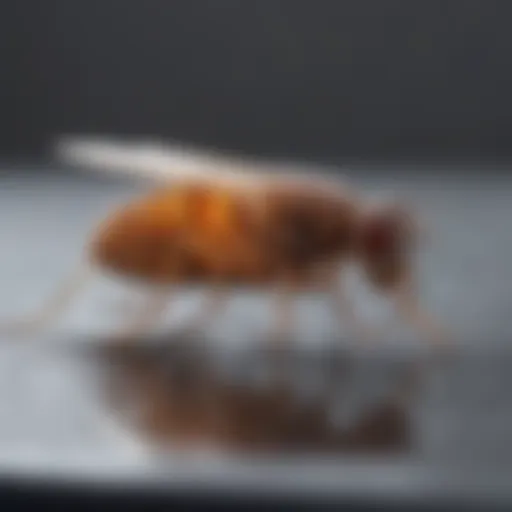
When it comes to roaches, not all are created equal. The German roach, for instance, tends to invade homes seeking warmth and food. Their small, light-brown bodies can be as short as half an inch, but don’t let their size fool you—they can reproduce at an alarming rate. Making a mark in the ranks is also the American cockroach. A bit larger, reaching about two inches in length, they are often found in sewers and basements. Then there's the Oriental roach, sporting a blackish-brown hue that thrives in cooler, damp environments. Each species brings its own challenges, requiring tailored approaches for effective control.
Signs of Infestation
Recognizing a roach infestation early can be the difference between a simple fix and a full-blown crisis. Look out for the following signs:
- Droppings: Small, dark grains resembling coffee grounds or black pepper found near food sources or hiding spots.
- Egg cases: Known as oothecae, these brown or black capsules can hold multiple eggs, typically found in corners or crevices.
- Musty odor: A raised smell, often accompanied by a heavy feeling in the air, can be a telltale sign that your home is hosting these pests.
If you spot any of these indicators, it might be high time to take action before they turn your living space into their own luxurious hotel!
Prevention Techniques
Home Maintenance Tips
Keeping roaches at bay begins with proactive home maintenance. Here are a few tips that might help your cause:
- Seal Entry Points: Any crack or gap around doors, windows, and plumbing should be sealed to prevent roach entry.
- Keep it Clean: Regular sweeping and vacuuming can help eliminate food sources. Focus on kitchens and pantries, areas roaches love to frequent.
- Store Food Properly: Seal pantry staples in airtight containers. Remember, even a tiny crumb can attract a hungry pest.
Environmental Modifications
Altering the environment can also work wonders in deterring roaches. Here’s how:
- Reduce Moisture: Roaches thrive in humidity; fix leaks and ensure proper ventilation in bathrooms and kitchens.
- Declutter: Freeing up cluttered areas denies roaches potential hiding spots, making your home less inviting.
- Outdoor Upkeep: Trim back shrubs and maintain your yard to reduce places where roaches may congregate outside and then find their way inside.
Eco-Friendly Pest Control Options
Natural Pesticides
For those who prefer a gentler touch, natural pesticides can be a fantastic option. Diatomaceous earth, for example, is a natural powder that can be dusted in areas where roaches roam. It works by dehydrating these pests, ultimately killing them without chemicals that could harm your loved ones or pets.
Organic Pest Control Techniques
Consider using essential oils such as peppermint or tea tree oil, which are reputed to repel roaches. Simple mixtures can be made with water and these oils to create a spray that might deter roaches from entering your home.
"Prevention is better than cure," and employing an organic method could be just the way to keep those invaders at bay.
For further information, check out these resources:
- Wikipedia on Cockroaches
- EPA on Pest Management
- University of Florida's Pest Control Guide
- Reddit for Pest Control Discussions
Stay vigilant and proactive, and your home can be the roach-free haven you desire.
The Importance of Effective Roach Control
When it comes to maintaining a healthy and livable home, understanding the significance of effective roach control cannot be overstated. These resilient pests are more than just an unsightly nuisance; they can pose serious health risks and contribute to a decline in the overall integrity of your living environment. With the right approach, homeowners can regain control and protect their families from the multiple unseen dangers associated with roach infestations.
Roaches are notorious for their ability to adapt and thrive in diverse conditions. Their impact, therefore, extends beyond merely scuttling across kitchen counters. They are carriers of various pathogens, which can seriously affect human health. It's essential to recognize that an unchecked roach population can lead to spread of allergens and diseases, not to mention the significant psychological distress that can arise in those dealing with infestations.
Understanding Roaches and Their Impact
Roaches, particularly the common German and American varieties, are often found in residential spaces where food and warmth are plentiful. Their very presence signifies that conditions within your home are conducive to pest infestation, prompting the need for immediate action. When these pests invade, they don't just inhabit; they thrive and breed, quickly escalating the problem to alarming levels. The rapid reproduction rate of these insects means that what starts as a small problem can turn into a full-blown infestation in a matter of weeks.
Furthermore, being nocturnal creatures, they tend to leave behind droppings, eggshells, and other debris that can exacerbate health issues, creating an unsanitary environment. While they're known for their ability to survive without food for lengthy periods, they cannot escape the reality that their presence compromises our comfort and safety. Understanding their behavior and hiding spots can help homeowners not only recognize an infestation early but also choose the appropriate control methods effectively.
Health Risks Associated with Roach Infestations
The health implications of roach infestations are a significant concern for any household. Highly adaptable and capable of surviving harsh conditions, roaches bring with them a variety of allergens and pathogens. Research suggests that exposure to roach droppings, saliva, and decomposing bodies can trigger asthma attacks and worsen allergies, particularly in young children and those with pre-existing respiratory conditions. Here are a few specific health risks related to roach infestations:
- Pathogen Carriers: Roaches can transmit diseases like salmonella, which can lead to food poisoning. This transmission occurs when they crawls over food surfaces.
- Allergic Reactions: Proteins found in roach bodily fluids can provoke allergic reactions in some individuals, causing symptoms such as sneezing, itchy eyes, and skin rashes.
- Asthma Triggers: For many, roaches act as a significant asthma irritant. Children exposed to these pests are at an increased risk of developing asthma, which can lead to long-term respiratory complications.


"Eliminating roaches is not just about cleaning; it's about safeguarding your home and health."
In light of these risks, it’s clear that tackling roach infestations promptly and effectively isn’t merely a matter of aesthetics—it's paramount for your well-being. Implementing effective strategies for control can create a healthier living space, ultimately allowing you to enjoy your home without the worry of these persistent pests.
Identifying Roach Infestations
Identifying a roach infestation is crucial for effective pest management. The sooner you recognize the signs of these pesky critters, the faster you can act to eliminate them. Roaches can breed rapidly, and a small problem can balloon into a full-blown infestation in no time. Taking the initiative to identify the issue early on not only saves time and money but also safeguards your home and loved ones from potential health risks.
Common Signs of Roaches
When it comes to spotting roaches, your eyes can be your best tool. Here are some signs that indicate you might have unwelcome guests:
- Droppings: Roach droppings look like tiny black specks or coffee grounds. Finding these in kitchen drawers or under the sink can be a telltale sign.
- Egg Cases: The egg cases, or oothecae, are usually a brownish color, about the size of a grain of rice. They can be found in hidden corners or behind appliances.
- Unpleasant Odor: A musty smell might permeate the air if there’s a significant infestation. This odor stems from their scent glands and reproduction.
- Sightings: Spotting a roach during the day can indicate a severe infestation. Roaches are primarily nocturnal, so seeing them out in the open is often a red flag.
If you’re regularly on the lookout for these signs, it becomes easier to pinpoint whether you’re dealing with a roach issue. Regular inspections in the kitchen, pantry, and bathroom can help catch an infestation in its early stages.
Assessing the Severity of an Infestation
Once you’ve identified signs of roaches, it's time to evaluate the severity of the infestation. Assessing how bad the problem is will determine your next steps.
- Count the Sightings: The more roaches you observe, the greater the likelihood that you have a serious problem. If you see one or two once in a while, you might be able to manage it. But multiple sightings in a short period? That calls for immediate action.
- Location: Pay attention to where you find the roaches. If they are in living areas, the infestation is likely more extensive. Conversely, finding them more in discreet areas, like behind the fridge, could mean a less widespread issue.
- Droppings and Egg Cases: A high volume of droppings and multiple egg cases indicate a mature infestation that needs urgent care.
- Health Risks: Consider potential health risks. If you have young children or pets, a severe infestation can become a more pressing concern.
Taking the time to assess the severity helps you in planning your next move. If the level reaches beyond what you can manage, it may be time to call in professionals.
Factors to Consider When Choosing Anti-Roach Products
When the topic of roach control comes up, various factors need to be kept in mind. Choosing the right anti-roach product isn’t just about grabbing whatever is on the shelf. It's a matter of understanding the circumstances surrounding your specific needs and environment. Here are some significant factors to ponder:
Environment and Setting
The first step in picking the right roach control product is considering the environment where you live. For instance, if you live in a densely populated area with cramped housing, the likelihood of encountering roaches might be higher due to various contributing factors such as shared plumbing or trash disposal systems. Choosing a treatment that is effective in those conditions can vastly improve your results.
- Indoor vs. Outdoor Use: Make a distinction on whether you need a product for inside your home, the garage, or even the garden. Some products work better in enclosed spaces. Using outdoor bait next to your kitchen isn’t the smartest move and could turn into a nightmare.
- Humidity Levels: Roaches thrive in moist areas. Hence, if you live in a humid environment, products like gels or baits that can be used in those conditions are ideal. Conversely, an arid climate may dictate the use of different solutions.
Additionally, the setting is crucial. Apartments require a different approach compared to standalone houses. An infestation in a ground-level apartment may require different measures compared to a multi-story building.
Safety and Toxicity Concerns
Safety is not merely a consideration; it’s a paramount concern, especially for households with children or pets. Different products come with varying levels of toxicity that can significantly affect your loved ones. It's essential to pay attention to the ingredients when making your choice.
- Chemical Composition: Understanding what the product is made of can prevent mishaps. If a roach bait contains highly toxic compounds, ensure it can be placed out of reach.
- Regulatory Standards: Look for products that comply with EPA regulations. Approved pesticides typically have undergone strict testing to ensure they are safe when used as directed.
- Environmental Impact: Some products are more eco-friendly compared to others. If your household aligns with greener practices, you might want to lean towards options that are sustainable and less harmful to the surrounding ecosystem, such as traps or natural repellents.
"The key to effective roach control is not just killing the pests, but doing so in a manner that is safe for everyone involved."
Overall, evaluating and balancing these factors can lead you to choosing the perfect anti-roach solution that not only meets your immediate needs but also aligns with your values and lifestyle. It’s a multifaceted decision that shouldn't be taken lightly.
Commercial vs. DIY Anti-Roach Solutions
When it comes to dealing with cockroach infestations, homeowners often face a pivotal decision: whether to rely on commercial products or to explore do-it-yourself methods. Both paths present unique advantages and pitfalls that can determine the effectiveness of pest control in a particular situation. An understanding of the pros and cons of each option greatly empowers individuals to tackle their roach problems with the best possible approach.
Advantages of Commercial Products
Commercial anti-roach products are specifically formulated, often backed by extensive research and development. These products deliver immediate results, making them highly appealing. Here are some key benefits of choosing commercial options:
- Effectiveness: Many commercial products contain potent ingredients designed to target roaches effectively. Products like Raid Ant and Roach Killer or Ortho Home Defense offer a rapid knockdown effect on roaches, providing immediate relief from an infestation.
- Ease of Use: Most commercial solutions come ready to use, eliminating the need for complicated mixing or preparation. For instance, aerosol sprays can be used straight from the can, requiring no additional steps or tools.
- Variety: The market offers a wide array of products tailored for different settings and infestation levels. From baits to foggers, homeowners can choose based on the severity of the problem or their specific environment.
- Guidance and Instructions: Along with the product itself, manufacturers usually provide clear usage instructions and safety information, which can simplify the process. Knowing how and where to use a specific product can reduce the stress of pest control.
However, it’s essential to be cautious about potential downsides. Some commercial products may contain harsh chemicals, warranting careful consideration regarding safety, especially in homes with children or pets.
Effective DIY Methods for Roach Control
If you prefer a hands-on approach or are concerned about chemical exposure, DIY methods can be both cost-effective and efficient. Here’s a brief rundown of some tried-and-true strategies:
- Boric Acid: This natural compound is lethal for roaches. When they ingest it, it disrupts their digestive functions. Sprinkling a light dust in areas where roaches frequent can be highly effective.
- Homemade Traps: A simple but effective trap can be created using a mixture of sugar and baking soda. The sugar attracts the roaches while the baking soda kills them. Placing these traps strategically in corners or under sinks can lure and eliminate them.
- Essential Oils: Oils like peppermint or tea tree possess natural insect-repelling properties. A spray similar to a spray bottle with water and a few drops of these oils can be a pleasant but effective deterrent against roaches.
- Soap and Water Spray: Mixing dish soap with water creates a simple solution that can suffocate roaches upon contact. Spray this mix in areas where you’ve spotted roaches to catch them.
- Cleanliness and Decluttering: Sometimes, the simplest method is keeping your home clean. Regular sweeping and vacuuming coupled with decluttering spaces can significantly reduce food sources and hideouts for roaches.
While commercial solutions promise immediate results, DIY methods can empower homeowners to address infestations in a safer, customizable manner.
Overview of Leading Anti-Roach Products
The management of cockroach infestations is a serious concern for many households, and understanding the available anti-roach products is crucial for effective pest control. This section delves into some of the leading solutions that have garnered attention in the market, focusing not only on their effectiveness but also on their suitability for various environments. Hence, it’s vital to grasp the pros and cons of each product type before making a decision. In the face of these unwelcome guests, knowing your options can turn the tide in your favor.
Baits and Traps


Baits and traps are often the first line of defense against roaches. They work by enticing the pests to consume a poison or getting caught in a sticky trap, ultimately reducing their population over time. Their effectiveness varies, but their strategic application can lead to significant improvements in your home’s roach control.
Gel Baits
Gel baits stand out because of their targeted approach. They usually contain a food attractant mixed with a slow-acting insecticide. The roaches eat the bait and carry it back to their nests, where it can take out the entire colony. This trickle-down effect makes gel baits a popular choice among homeowners.
Key Characteristics: They are easy to apply and can be placed in small cracks and crevices, which is where roaches often reside. The gel’s viscous nature means it sticks around, giving it time to work its magic.
Advantages and Disadvantages: On the upside, gel baits are relatively safe indoors, assuming they are used as directed. However, they can be less effective in environments where food sources are abundant, as roaches might opt for food over bait.
Poison Baits
Poison baits are straightforward in their function; they lure cockroaches with enticing food while delivering a lethal dose of insecticide. This type of bait can be more potent than gel varieties due to the combination of attractiveness and toxicity.
Key Characteristics: The advantage here is the speed at which the roaches can be eliminated, often showing results within a few days. The severe impact on the cockroach population can lead to a noticeable reduction in sightings fast.
Advantages and Disadvantages: However, these baits often come with risks, especially in homes with pets or small children, as the poisons can be harmful if ingested. Proper placement is crucial to avoid accidental consumption.
Sticky Traps
Sticky traps, or glue boards, provide a non-toxic option for managing roach populations. These traps are coated with a sticky substance that entraps any roach that crawls onto them. They are especially effective for monitoring pest activity.
Key Characteristics: Their simplicity and lack of chemicals make them a choice for many who are wary of the effects of harsher substances.
Advantages and Disadvantages: While sticky traps can indicate the potential severity of an infestation, they do not actively kill roaches; they only capture them. This may require more aggressive measures if the infestation is severe.
Insecticides
Insecticides represent another essential category in roach control. They offer a variety of formulations, each suited to particular needs and settings. Understanding how they work and their proper application can lead to a more successful pest management strategy.
Aerosol Sprays
Aerosol sprays deliver insecticides in a fine mist, allowing for broad coverage in indoor spaces. They are often favored for quick knockdown effects against roaming cockroaches.
Key Characteristics: The convenience of targeted application is one of the standout features of aerosol sprays. They can be easily maneuvered into tight spaces where roaches hide, providing immediate results.
Advantages and Disadvantages: While they work swiftly, their efficacy can be short-lived without follow-up applications. Additionally, some sprays may have strong odors or require caution in enclosed areas due to toxicity levels.
Granular Insecticides
Granular insecticides can be spread out across infested areas, including inside cabinets or along walls. They work by adhering to the pests’ bodies or being ingested, leading to pest elimination.
Key Characteristics: This form allows for a longer-lasting impact as the granules remain active for more extended periods compared to sprays.
Advantages and Disadvantages: However, there is a necessary trade-off; they can be messy to apply and sometimes less effective in damp environments. Moreover, they may not appeal to roaches as readily as baits do.
Foggers
Foggers, or total release insecticides, disperse insecticide in the form of a fog that penetrates cracks and crevices. These are useful for problems spread throughout larger areas.
Key Characteristics: The primary draw of foggers is their ability to cover a wide area, hitting spots that might be missed with spot treatments.
Advantages and Disadvantages: Nevertheless, their use often necessitates vacating the area for safety, which can be inconvenient. Depending on the products used, you might also have to prepare your home significantly before application.
Natural and Eco-Friendly Options
Increasingly popular, natural and eco-friendly options are appealing to those wanting to steer clear of chemicals. Although not always as potent, these solutions can provide satisfactory results in certain scenarios.
Essential Oils
Essential oils like peppermint and tea tree oil have garnered a reputation for being naturally repellent to insects, including roaches. They often contain compounds that disrupt the pests’ pheromone trails, confusing them and keeping them at bay.
Key Characteristics: They are pleasant-smelling alternatives, appealing particularly to households sensitive to synthetic fragrances.
Advantages and Disadvantages: However, while essential oils can deter roaches, they usually won’t eliminate significant infestations on their own. Regular application and combinations with other methods may be required.
Boric Acid Treatments
Boric acid acts as both a stomach poison and a desiccant, dehydrating insects that come in contact with it. It has a long-standing reputation in pest control and is considered a safer option when used correctly.
Key Characteristics: Boric acid is less toxic to humans and pets when applied properly, hence is welcomed for its efficient and relatively safe profile.


Advantages and Disadvantages: It can be slower to work than some synthetic chemicals and requires careful placement to prevent pet exposure.
Homemade Solutions
Homemade pest control solutions often involve common household items, combining vinegar, baking soda, or soap with water to create sprays or traps. They are budget-friendly and easy to create.
Key Characteristics: The appeal lies in their natural ingredients and minimal toxicity compared with commercial options.
Advantages and Disadvantages: However, while these solutions can help deter roaches, they typically do not offer a significant long-term solution for severe infestations. Regular use may be necessary to maintain efficacy.
Application Techniques for Anti-Roach Products
When it comes to combating roach infestations, application techniques can make all the difference. Simply buying an anti-roach product won’t do much if it’s not deployed effectively. This section delves into how to maximize the impact of these products by focusing on two key elements: proper placement and timing, as well as the importance of follow-up treatments and monitoring.
Proper Placement and Timing
The effectiveness of anti-roach products significantly hinges on where and when they are applied. Understanding the behavior of roaches can enhance your strategy. For instance, these critters are nocturnal in nature, favoring dark, hidden spaces. Therefore, it is crucial to place bait stations, traps, or insecticides in areas where roaches are often spotted or suspected.
Consider the following:
- High Traffic Areas: Placing baits in locations like under sinks, behind appliances, and in corners of rooms can help draw roaches in.
- Ventilation Gaps and Cracks: These are often overlooked but are prime real estate for a roach relocation. Filling gaps with products ensures that you’re not leaving any stones unturned.
- Timing Matters: Applying treatments during periods of high roach activity, typically at night, can enhance effectiveness. Many products come with recommendations to allow the bait to remain undisturbed for a certain time, letting roaches consume them fully.
"Understanding when and where roaches are lurking can drastically change the effectiveness of your chosen products."
Follow-Up Treatments and Monitoring
After an initial application, it’s essential to keep a close eye on the situation. Follow-ups are not merely an optional task; they are an integral part of a successful roach control strategy. Monitoring gives insights into how effective your initial efforts were and what adjustments may be needed.
Here are some vital points to consider:
- Regular Inspections: Look for signs of continued activity—droppings, shed skins, or even dead roaches indicate that your strategy needs tweaking.
- Reapplication of Products: Depending on the product’s lifespan and the severity of the infestation, it may require reapplication. If baits are consumed entirely or traps remain empty, you might need to adjust your location or try different types of products.
- Environment Changes: Seasons can affect roach behavior. Make sure to re-evaluate your approach based on changes in environment or habitat conditions.
Incorporating these techniques can influence not just the short-term success of battling roaches but also lay a foundation for long-term solutions. Proper application reveals itself in decreased roach sightings and a cleaner, less stressful home environment.
Preventive Measures to Complement Roach Control
Preventing roaches from turning your home into their playground is crucial. While treating an infestation is important, proactive measures can save you a lot of time, effort, and stress in the long run. Keeping these annoying pests at bay is less about luck and more about consistent and diligent practices. The aim here is to create an environment that is not welcoming to roaches. By focusing on preventive measures, homeowners can significantly reduce the chances of an infestation occurring in the first place.
Maintaining Cleanliness
Cleanliness is next to godliness, or so the saying goes, and it holds true in the battle against roaches. Keeping your home tidy is one of the most effective shields against these critters. Here’s why:
- Food Sources: Roaches are notorious scavengers. Any food particle left lying around is basically an invitation. Make it a habit to clean up crumbs from countertops, tables, and floors. Don't forget to store your food in airtight containers to eliminate those tempting odors.
- Garbage Management: Regularly taking out the trash and ensuring waste bins are covered goes a long way. Roaches love moist environments, so try to use bins that seal tightly. If you can, rinse out bins occasionally to keep them fresh.
- Dishwashing Diligence: A sink full of dirty dishes is like leaving a buffet out for hours. Rinse and wash your dishes right after use. Even leaving unwashed dishes overnight can attract unwanted guests.
- Clutter Control: Roaches thrive in clutter because it gives them a cozy hiding nook. Keep items stored in sealed boxes and consider going through your belongings regularly to toss what you no longer need.
In short, making cleanliness a habit will not only help in handling the current pest issue but also set the groundwork for a roach-free space.
Sealing Entry Points and Cracks
Even with a clean home, if you leave the door wide open for pests, they'll stroll in as if they own the place. That’s where sealing entry points becomes critical. Here’s what you need to know:
- Identify Potential Paths: Roaches are sneaky and can fit through the tiniest cracks. Check around windows, door frames, pipe entries, and walls for any openings. It can be helpful to use a flashlight to spot dark areas that might otherwise get overlooked.
- Use Caulk and Foam: Invest in some high-quality caulking or expanding foam. These products are quite handy for sealing those gaps that invite roaches in. Be vigilant in checking areas where different building materials meet, as these gaps are prime locations for entry.
- Weather Stripping: Ensure that doors and windows fit snugly. Weather stripping can help eliminate gaps that might be left open due to settling or natural wear.
- Routinely Check the Basement and Attic: If your home has basement and attic spaces, those can be potential entry points as well. Keeping those areas tidy and sealed can significantly cut down the likelihood of roaches getting a foothold in your living area.
By addressing these entry points, you'll create a formidable barrier against roaches looking to invade your sanctuary.
To sum it up, preventive measures act as the front line in defending your home from roaches. A commitment to cleanliness combined with meticulous sealing of entry points creates a less hospitable environment for these nuisances. \n For more information on pest control strategies, consider checking out the resources available at EPA.gov and CDC.gov.
Keep your home clean and sealed, and you’ll minimize the chances of welcoming an unwarranted roach party.
End: Selecting the Right Approach
When it comes to tackling roach infestations, selecting the right approach is pivotal. With many products available on the market, making an informed choice can save time, money, and headaches. Every home is different, and so are the needs of its inhabitants. In this section, we aim to provide clarity on essential elements such as effectiveness, safety, and user-friendliness—all crucial when navigating the array of anti-roach solutions.
Evaluating Product Effectiveness
Evaluating the effectiveness of a product isn't just about checking boxes. It's about understanding how well it targets the specific roaches causing chaos in your space. Here are some key pointers to consider:
- Active Ingredients: It's vital to know what’s in your chosen product. Ingredients like fipronil or imidacloprid might be effective, but they also come with varying safety standards.
- Targeted Approach: Some products work better in certain environments, such as baits and traps for kitchens compared to foggers for larger spaces. Assess what your specific needs are.
- User Reviews: Often overlooked, reviewing user experiences can provide insights into how well a product performs in real-life scenarios. Forums and dedicated pest control websites can be invaluable resources.
Regularly testing and re-evaluating your choice can lead to discovering better alternatives that might emerge in the market as pest control technology advances.
Long-Term Strategies for Roach Prevention
Choosing a product is one step; however, ensuring that your home remains roach-free in the long run is entirely another kettle of fish. Here are some long-term strategies worth adopting:
- Ongoing Maintenance: Routine cleanliness is integral. Regularly cleaning kitchen countertops, floor spaces, and storage areas eliminates food sources for roaches.
- Monitoring and Quick Action: After your initial treatment, keep an eye out for any signs. If roaches make a reappearance, responding swiftly can prevent a small problem from blossoming into a full-blown infestation.
- Community Resources: Connecting with neighbors can be beneficial. Sometimes, pest control initiatives in entire buildings or neighborhoods can alleviate individual burdens. Sharing experiences can lead to that ever-so-important collective approach.
- Natural Deterrents: Consider integrating natural methods, such as maintaining herbs like mint or bay leaves around your home. Their strong fragrances often deter these pests.
Ultimately, long-term prevention and active participation in your pest control plan can make all the difference. Roaches are just a step away, and being proactive takes you several steps ahead.