Understanding Bed Bug Marks on Skin: Identification and Management
Intro
Bed bugs might seem like nothing more than a nuisance, but their presence brings with it a cascade of health implications and psychological consequences. These minute, nocturnal creatures thrive in the nooks and crannies of our homes, making their home in mattresses, bedding, and even the living room couch. Identifying the marks they leave on the skin isn't merely about knowing if you've been bitten; it's about understanding the broader impact of an infestation and how to tackle it effectively.
The signs of bed bug activity can often be mistaken for other insect bites, and that's where the confusion starts. This comprehensive exploration looks deep into the identification and significance of bed bug marks, their implications for health, and the strategies one can adopt to manage this invasive pest. We're here not just to shed light on the bites themselves but to equip homeowners with the knowledge they need to take preventive measures and respond effectively should an infestation occur.
It's essential to begin by identifying how these pests make their unwelcome entrance and the telltale signs of their presence. We'll move through understanding common pest identification and prevention techniques before delving into eco-friendly alternatives for pest control, ensuring that your home remains a safe haven.
Let’s dive right into how to identify these pests and the marks they leave behind.
Preface to Bed Bugs
Understanding bed bugs is essential for anyone looking to maintain a comfortable and healthy living environment. These tiny pests, though often overlooked, can wreak havoc in households, leading to physical discomfort and psychological distress. Bed bugs are not just a nuisance; their presence indicates larger issues related to hygiene and safety. By diving into the biology, behavior, and life cycle of these insects, readers can better appreciate the strategies necessary for early detection and effective management.
Biology and Behavior
Bed bugs, scientifically known as Cimex lectularius, are small, wingless insects that feed on the blood of humans and other warm-blooded animals. Their oval shape, typically brownish-red in color, allows them to blend in seamlessly with furniture and bedding. Understanding their biology is crucial. For instance, these creatures thrive in dark, warm environments, making mattresses and bed frames their preferred habitats.
Their behavior is equally noteworthy. Bed bugs are primarily nocturnal, meaning they are most active at night when their hosts are asleep. They detect their hosts by sensing body heat and carbon dioxide, which is why bites often happen during sleep. Additionally, the resistance of bed bugs to various pesticide treatments showcases their adaptive qualities, allowing infestations to persist even in treated environments. This behavior emphasizes the need for comprehensive pest control measures.
Life Cycle of Bed Bugs
The life cycle of bed bugs consists of several stages: egg, nymph, and adult. It starts with the female laying anywhere from 1 to 12 eggs a day, which hatch after about a week. The nymphs, which look like miniature versions of adults, go through five molts before reaching maturity. This entire cycle, from egg to adult, can take as little as a month under optimal conditions.
Key Points of the Life Cycle:
- Eggs: Tiny and white, these eggs are often hidden in cracks and crevices.
- Nymphs: As they develop, nymphs require blood meals in order to molt.
- Adults: Once mature, adult bed bugs can live several months without feeding, adding to the complexity of managing an infestation.
Understanding the life cycle can help in formulating effective pest management strategies. Knowing when they reproduce and how long they live allows homeowners to target their treatments more effectively, interrupting the cycle before it spirals out of control.
"The key to effective pest management lies in understanding the enemy you face."
Identifying Bed Bug Bites
Identifying bed bug bites is a crucial first step in managing an infestation. These insects, while small, have a significant impact on both health and overall comfort in living spaces. Understanding how to recognize their bites can help individuals act quickly to reduce discomfort and prevent further issues. Key benefits of becoming adept at identifying these bites include timely treatment, reduced psychological stress, and informed pest control decisions.
Physical Characteristics of Bites
Appearance of Marks
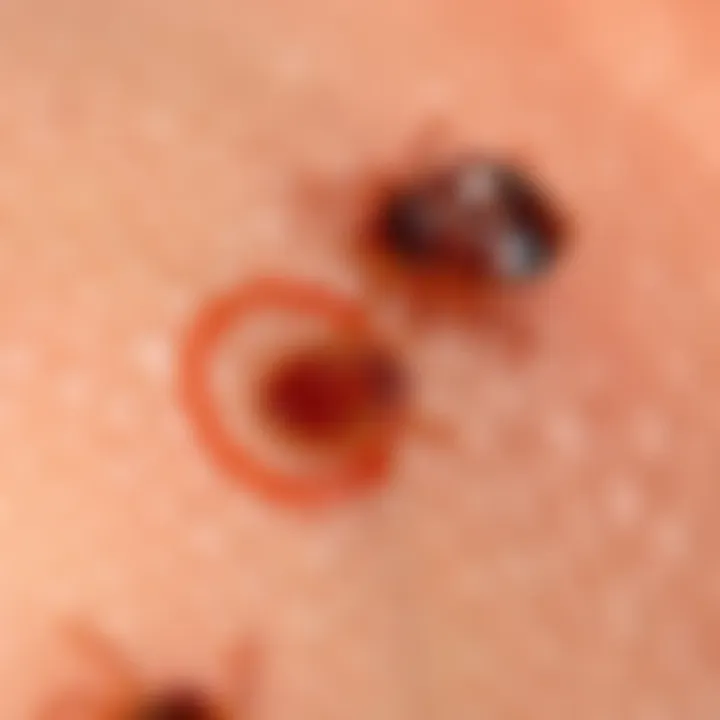
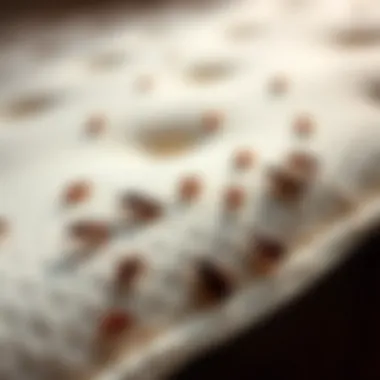
The appearance of marks left by bed bugs can vary significantly from person to person. Typically, these bites manifest as small, red welts that may resemble those from other insect bites. One notable characteristic specific to bed bug marks is the tendency for the bites to appear in a linear pattern. This occurs because bed bugs tend to feed one after another, leaving a telltale trail of bites. The distinct formation is beneficial for diagnosis, as it sets bed bug bites apart from other insect bites, which often appear randomly scattered. Additionally, the redness or raised nature of these marks can indicate an allergic reaction, making observation of appearance a practical choice for identifying these pests.
Size and Shape of Bites
Bed bug bites can vary in size, typically ranging from a few millimeters to a centimeter. The shape is generally oval, often becoming more pronounced as the immune system reacts to the saliva injected during feeding. The tiny bite itself may appear as a small dot, but the swelling can make it look larger. Understanding the size and shape of these bites helps individuals distinguish them from bites of other pests like mosquitoes or fleas, which might be smaller or more rounded. Knowledge of these dimensions can be essential when assessing the extent of an infestation or when discussing symptoms with a healthcare provider.
Distribution Patterns on the Body
The distribution patterns of bed bug bites can also provide essential clues for identification. Typically, they cluster on exposed skin areas, such as arms, legs, and neck, as these are often the sites of nighttime exposure while sleeping. What’s unique is the tendency for these bites to show up in specific regions affected by bed bugs, often indicating where an infestation is most prevalent. Recognizing these patterns can aid in effectively determining which areas of the home need immediate attention, providing a strategic advantage in both treatment and prevention efforts. This focused approach aids in limiting exposure, thus minimizing further bites and associated stress.
Differentiating Between Insect Bites
Identifying Other Common Pest Bites
In the world of pest control, distinguishing between various insect bites is vital in determining interventions. Common pest bites include those from fleas, mosquitoes, and spiders. Bed bug bites, in contrast, have distinctive visual aspects and characteristic patterns. A practical approach to identifying other common pest bites includes comparing the behavior and environment of the pests. For example, fleas often leave itchy, clustered bites on the ankles, whereas mosquito bites are typically single and localized. Familiarity with these distinctions not only enhances recognition but also informs more effective management strategies.
Visual Comparison with Allergic Reactions
Visual comparison with allergic reactions also plays a crucial role in identifying bed bug bites. Many people may experience skin reactions that resemble insect bites but may actually be allergic responses to various triggers. Skin reactions from allergies often present with wider areas of redness and may cover larger surface areas than bed bug bites. Knowing how to differentiate between the two helps individuals avoid unnecessary worry and can guide them toward appropriate treatments, be it for bites or allergies. Recognizing the variances can lend clarity during consultations with healthcare professionals, ensuring that the right information is communicated swiftly.

Physiological Reactions to Bed Bug Bites
Understanding the physiological reactions to bed bug bites is crucial in managing symptoms effectively. These reactions can serve as indicators of an infestation and help inform the best course of action. The bites may lead to a variety of responses that are not only physical but also psychological, impacting one's overall well-being. Recognizing these symptoms early can help mitigate discomfort and prevent escalation into more serious health issues.
Common Symptoms
Itching and Irritation
Itching and irritation are perhaps the most noticeable reactions following a bed bug bite. This symptom is characterized by an intense desire to scratch the bite area, which often compounds the issue by causing further irritation or skin damage. For many, the urge to scratch can become overwhelming, disrupting daily activities.
One key characteristic of itching is that it can vary significantly from person to person; some may only experience mild discomfort, while others might find it unbearable. It’s also important to note that this sensation is primarily a result of the body’s immune system responding to the bite. Histamines are released, leading to inflammation and the persistent urge to scratch.
In the context of this article, discussing itching is beneficial because it directly influences how individuals manage their reactions to bites. Learning about effective remedies for itching can help lessen feelings of frustration, as it elevates the importance of addressing individual symptoms rather than ignoring them. However, a unique aspect of intense itching is that it can lead to a vicious cycle of scratching and further irritation, exacerbating overall discomfort and complicating recovery.
Swelling and Redness
Another common physiological response to bed bug bites is swelling and redness in the affected area. Typically, this response is the direct result of the body's inflammatory reaction. When a bed bug bites, it injects saliva that contains anticoagulants, preventing the blood from clotting while simultaneously triggering an immune response.
The key characteristic of swelling and redness is that it not only signifies a recent bite but can also point to the severity of an individual's reaction to the saliva. A more pronounced swelling could indicate a heightened sensitivity or possible allergic reaction. This aspect is important to address because swelling isn’t merely a cosmetic issue; it can cause discomfort or pain and represent potential complications if infections arise.
Ultimately, swelling may vary in presentation. While most will see localized swelling, some may experience widespread redness—this variability makes it crucial for individuals to monitor their symptoms and understand when the condition might warrant professional evaluation.
Secondary Infections
Secondary infections are a significant yet often overlooked concern following bed bug bites. Scratching the bites can break the skin barrier, allowing bacteria to enter and causing infections. It's a common scenario; an individual experiences intense itching, scrapes at the bites, and ends up with an irritated and possibly infected area, which can lead to more severe health issues.
The characteristic of secondary infections is that they complicate what is already an uncomfortable situation. They often require additional treatment, which can involve antibiotics and further interventions, expanding the timeline and stress surrounding the bites. Addressing secondary infections is beneficial within this article because it underscores the importance of treating bites properly to avoid this complication.
Recognizing the signs of infection—including increased pain, pus formation, or systemic symptoms like a fever—is critical. This understanding equips readers with knowledge to act swiftly when the situation escalates, thereby minimizing complications and promoting faster recovery.
Psychological Impact of Infestations
Anxiety and Stress
The anxiety and stress stemming from bed bug infestations are palpable. These emotional responses manifest not just from physical discomfort but also from the perception of unsanitary conditions and the stigma attached to pests. The sudden realization of having these critters in your home can spark feelings of helplessness.
A key characteristic of anxiety related to infestations is that it can lead to changes in daily routines. Affected individuals may become hyper-vigilant, inspecting their belongings or living spaces for signs of bed bugs. This anxiety may not only detract from one’s mental peace but can disrupt productivity and social interactions. By addressing this emotional aspect, the article highlights how understanding these feelings lays the groundwork for coping mechanisms.
Sleep Disruptions
The impact of bed bug bites extends to sleep disruptions, which can further strain psychological well-being. Individuals may find it difficult to sleep soundly, constantly worrying about being bitten again or feeling the repercussions of bites that haven’t yet healed. The restlessness that ensues not only affects overall mood and focus but also undermines health over time.
Highlighting sleep disruptions serves the purpose of educating readers about the far-reaching effects of bed bugs. It emphasizes the significance of seeking effective treatments to cope with bites and potentially prevent future infestations. A unique feature of sleep disruption is how it intertwines with overall quality of life and health.
Social Stigma
Social stigma surrounding bed bug infestations can also weigh heavily on those affected. The perception that infested individuals are dirty or careless can lead to feelings of embarrassment. This stigma often makes it difficult to seek help or openly discuss the problem with others, further intensifying mental strain.
Understanding social stigma is essential as it highlights irrational fears and misconceptions that can be challenging to navigate. By opening discussions about this topic, the article can guide readers in addressing the societal pressures they may face, thus promoting a culture of empathy and understanding around pest infestations. This aspect can help empower individuals to seek the assistance they need without feeling isolated or judged.
Preventive Measures Against Bed Bugs
Preventive measures against bed bugs are crucial for homeowners who wish to protect their living spaces from these uninvited pests. The significance of prevention cannot be understated, as it often determines whether an infestation takes hold or is swiftly addressed. By implementing effective strategies, individuals can shield themselves and their households from the discomfort and health implications that come with bed bug bites. Preventive measures not only focus on detecting potential infestations early on but also on maintaining a clean and clutter-free environment.
Regular Inspections
Identifying Potential Infestation Sites
Identifying potential infestation sites is a key aspect of regular inspections. This practice can directly contribute to preventing bed bug problems before they escalate. Bed bugs are notorious for hiding in small, dark spaces, such as crevices in furniture, seams of bedding, and behind wall hangings. Regularly examining these areas allows homeowners to catch infestations in their infancy. A proactive approach in checking for these pests can save significant time, money, and stress.
The ability to pinpoint these hiding spots is a beneficial choice in this article because it empowers homeowners with the knowledge needed for early detection. Uncovering these hidden areas can help to prevent the spread of bed bugs, thus maintaining a healthier living space. One unique feature of identifying potential infestation sites is the immediate awareness it brings, creating a habit of vigilance that is favorable in managing pest issues.
However, a disadvantage is that it requires a level of commitment and awareness to keep up with regular inspections, which can sometimes be overlooked in busy households.
Checklist for Homeowners
The checklist for homeowners serves as a simplified guide to combat bed bug infestations effectively. This specific aspect contributes to the overall goal of prevention by providing a structured approach to regular inspections, ensuring that nothing is overlooked. A checklist can include items such as inspecting bed frames, headboards, and luggage after travel, which are often associated with pest transport.
The key characteristic of a checklist is that it transforms a potentially overwhelming task into manageable steps. This usability makes it a popular choice for this article, as it provides an organized method for inspections. One unique feature of a checklist is its ability to foster routine within the household, allowing everyone to participate in maintaining a bug-free environment.
On the downside, if not properly followed, checklists can lead to a false sense of security if inspections are only done sporadically or superficially.
Hygiene and Maintenance
Laundering Bedding and Clothing
Laundering bedding and clothing regularly is a fundamental aspect of hygiene and maintenance that contributes significantly to the prevention of bed bugs. This process is essential as bed bugs often cling to fabric surfaces, making washing a straightforward yet effective way to eliminate these pests. Hot water and high heat during drying can destroy bed bugs at all life stages, resulting in fewer chances of them establishing themselves in your home.
The key characteristic here is the simplicity and effectiveness of washing. It’s not only a beneficial choice for this article, but it's also a task that requires little time and can be easily integrated into regular cleaning routines. A major advantage is that it can also reduce allergens and improve overall cleanliness in your living space.
Conversely, a drawback could be the need for continual vigilance, particularly if items are left unwashed after being in contact with suspected infested areas.
Decluttering Living Spaces
Decluttering living spaces is another vital piece of the puzzle in maintaining a bed bug-free home. This practice directly contributes to the overall goal of pest prevention by eliminating places where bed bugs can hide and breed. Fewer items in the home means fewer potential habitats for these pests, thereby reducing the likelihood of an infestation.
The key characteristic of decluttering is its role in fostering an organized and tidy environment, which becomes a beneficial choice in preventing bed bugs. This unique approach not only helps in controlling pests but also enhances your overall living space. An uncluttered area is easier to inspect, clean, and manage.
However, decluttering can be labor-intensive and may be viewed as a daunting task for some homeowners. If not consistently maintained, spaces can gradually become cluttered again, creating the potential for bugs to settle in once more.
Keeping an eye on cleanliness and organization can go a long way in preventing bed bugs. Regular inspections and good practices are the linchpins of an effective strategy.
Treatment Options for Bed Bug Bites
Dealing with the aftermath of bed bug bites can range from mild discomfort to significant distress. Understanding the treatment options available is crucial in managing these reactions effectively and alleviating any pain or suffering. Treatment options not only aim to soothe the skin but also work to mitigate the psychological impact that comes with experiencing bed bug bites. Many homeowners might find themselves grappling with itching, swelling, and maybe even sleepless nights. Thus, choosing the proper treatment can aid healing and go a long way toward restoring peace of mind.
Over-the-Counter Remedies
Antihistamines and Corticosteroids
Antihistamines are commonly chosen for alleviating the itchiness that bed bug bites often induce. They work by blocking histamines, the chemicals that trigger allergy symptoms. Many people reach for these options during allergy season as well, highlighting their widespread recognition. You can find both drowsy types, like diphenhydramine (Benadryl), and non-drowsy options, such as loratadine (Claritin).
The key characteristic of antihistamines is their rapid effect, providing relief when the itching feels insatiable. However, some users may experience drowsiness, which can be a double-edged sword; while it might help one sleep better, it can also interfere with daily activities.
Corticosteroids come into play when inflammation is a concern. These topical treatments reduce swelling and redness, allowing the skin to heal without further complication. They are beneficial for people who react sharply to bites, as the corticosteroids act to dull the immune response. It's essential to use them carefully, as prolonged use can thin the skin, leading to other issues later on.
Topical Treatments
When it comes to providing immediate relief, topical treatments have their place as well. Creams or ointments containing ingredients like calamine lotion or hydrocortisone can soothe pain effectively. The primary advantage of these treatments lies in their localized application: you can target precisely where you feel discomfort.
The unique feature of topical treatments is in how they function. They sit directly on the skin, making them a quick go-to for surface-level irritation. However, applying these therapies consistently becomes essential. If neglected, they might not address the underlying inflammation, leaving you scratching away without much relief.
It's vital to follow the manufacturer's guidelines and not overuse any topical products, as this could cause additional skin irritation rather than solving the problem.
When to Seek Professional Help
Signs of Severe Reactions
While many might navigate the discomfort of bed bug bites at home, knowing when to seek professional help is equally crucial. Severe reactions may manifest as extreme swelling, pain that worsens over time, or visible signs of infection such as pus or fever. Recognizing these warning signs can make a substantial difference in treatment outcomes.
The key characteristic of severe reactions is their potential to escalate into major health issues. Activities like scratching bites increase the risk of secondary infections, leading to complications. Therefore, understanding the signs early and seeking help can prevent these scenarios from developing and provide clarity on best practices.
Consultation with Dermatologists
If the situation escalates or irritation persists, consulting with a dermatologist is a wise move. These specialists offer targeted advice and treatment tailored to your specific reactions. They can prescribe stronger medications that a general practitioner might not, ensuring that you’re on a path toward healing without the trial and error often associated with over-the-counter products.
A unique feature of dermatologist consultations is the thorough examination they provide, helping identify if the reaction is indeed from bed bugs or other underlying issues. This distinction is vital for targeted treatment. However, it’s important to note that not everyone may have the accessibility or time required to visit skin specialists, highlighting a need for effective home management options in the meantime.
Before using any treatment, it’s always wise to consult a medical professional to avoid any potential adverse effects.
Effective Pest Control Strategies
Dealing with bed bugs can feel like a never-ending battle, but employing effective pest control strategies can significantly change the tide in favor of those seeking relief. Understanding these strategies is paramount not only for immediate remediation of an infestation but also for long-term prevention. The consequences of overlooking this critical aspect can lead to repeated discomfort, escalating costs, and turmoil in one’s living space.
No one wants to find unwanted guests crawling around their home, which is why an effective pest control strategy is essential. These strategies can help maintain a comfortable living environment while addressing the issue head-on.
Integrated Pest Management
Understanding the Approach
Integrated Pest Management (IPM) is a multifaceted approach to managing bed bug populations that prioritizes sustainable and environmentally sound practices. By combining various control methods instead of relying solely on chemical treatments, IPM creates a more tolerant environment for homeowners. One significant characteristic of IPM is its focus on preventive measures over reactive ones, making it a smart choice in the long run.
The uniqueness of IPM lies in its comprehensive nature; it involves monitoring pest populations, employing mechanical controls, and even utilizing biological controls when suitable. By managing factors that contribute to infestations, such as clutter or improper sanitation, homeowners can create a less hospitable environment for bed bugs. The advantages of this method include reduced pesticide exposure and lower chances of chemical resistance in the pest population.
Combining Techniques for Effective Control
Combining techniques can significantly enhance the effectiveness of pest control strategies. By integrating physical, chemical, and biological controls, homeowners can tackle bed bug infestations from multiple angles, increasing their odds of achieving lasting results. A key characteristic of this method is its adaptability, allowing it to evolve in response to the effectiveness or failure of current practices.
What sets this combination apart is its flexibility; for instance, a homeowner might start with thorough cleaning and vacuuming, followed by targeted pesticide application in known problem areas. The advantages here are the reduced need for toxic chemicals and a better chance of eradicating the pests fully. However, one must stay vigilant, as failing to combine these methods properly could lead to only temporary relief.
Chemical Treatments
Types of Pesticides
Chemical treatments can play a vital role when bed bug infestations escalate beyond the scope of home management strategies. There are several types of pesticides available, each designed to target the unique life stages of bed bugs. Residual insecticides remain active on surfaces long after application, while contact insecticides kill bed bugs on contact. Some fumigants penetrate into hidden areas effectively.
The aggressiveness of chemical treatments makes them a beneficial choice in dire situations, as they can bring swift results when implemented correctly. However, one must remain cautious when using these products due to potential risks and side effects associated with chemical exposure.
Application Guidelines and Safety
Application guidelines are crucial to maximize the efficacy of chemical treatments while ensuring the safety of residents. It's essential to follow instructions meticulously, as improper application can lead to ineffectiveness or even exacerbate the infestation. Understanding when and where to apply pesticides in a home can make all the difference.
A significant characteristic of these guidelines is their focus on safety; the importance of using personal protective equipment while applying pesticides cannot be overstated. The unique feature is the attention to detail; even little things, like ensuring the area is well-ventilated, can significantly enhance safety during application. Since safety and effectiveness go hand-in-hand, improper application can both endanger human health and result in an irritated bug population that only becomes harder to control.
Non-Chemical Solutions
Heat Treatments
Despite the convenience of chemical treatments, many homeowners are seeking out non-chemical solutions, and heat treatments have become a popular option. Heat treatment leverages high temperatures to eliminate bed bugs at all life stages, making it a very powerful tool when used correctly. The critical aspect of heat treatments is that they can reach hidden areas where bed bugs may hide, such as within furniture or wall crevices.
Their primary attractiveness lies in their chemical-free nature, making them safer for children and pets. However, one must carefully monitor the temperatures to avoid damage to the surrounding property; too much heat in certain materials can lead to stress fractures or melting.
Vacuuming and Encasements
Vacuuming and the use of bed bug encasements provide additional layers of control, and when employed together, they form an excellent non-chemical strategy. Regular vacuuming of infested areas helps remove bugs as well as their eggs and shed skins. In addition, using mattress encasements traps bed bugs already inhabiting your mattress and prevents new ones from taking up residence.
This two-pronged approach is appealing because it creates physical barriers against pests while also addressing existing populations. However, persistence is key. Vacuuming alone will not eliminate all pests, and encasements require proper selection and maintenance to be effective.
Effective pest control strategies hinge upon a solid understanding of the various methods available, and it's important to select appropriately based on the specifics of each infestation.
Closure
As we bring this exploration of bed bug bites to a close, it’s vital to underscore the significance of understanding the implications these marks hold. Bed bugs are not just a nuisance; their bites serve as indicators of a larger problem in your living space. Recognizing how to identify these marks and their potential consequences can empower homeowners to take swift action, preventing further infestations.
Emphasizing proper identification and management helps mitigate both the physical and psychological toll of bed bug issues. Those itchy welts often come with more than just discomfort; anxiety, sleep disturbances, and even social stigma can stem from an infestation. Understanding these factors not only aids in addressing the bites themselves but builds a comprehensive approach towards eliminating the pests responsible for them.
Homeowners should approach prevention and treatment with a proactive mindset. Regular inspections and maintaining cleanliness are key. When facing infestation, knowing when to consult a professional is equally important. By being informed, you elevate your capacity to protect your home and well-being.
"An ounce of prevention is worth a pound of cure."
Ultimately, this journey through the identification, implications, and management of bed bug marks offers a pathway to relief and peace of mind. The nuances of treating and understanding these bites pave the way towards a better quality of life—free from the constant itch and anxiety of bed bugs.